









































When the Kremlin Tried to Lock Down the Web, Russians Got Loud
From beauty influencers to the token political opposition, Russians are openly questioning President Vladimir V. Putin’s moves to hamstring internet access.
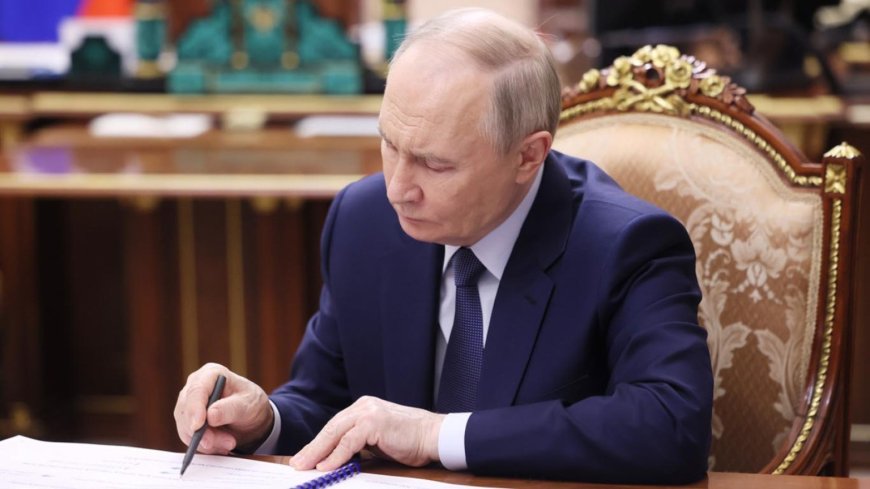
The Kremlin set out to tighten control over Russia’s internet and ended up with an uneasy side effect: ordinary life tripped on the wiring and a surprising number of people started complaining out loud.
For months authorities have intermittently shut down mobile internet across most regions and throttled or blocked foreign apps, Facebook, YouTube, WhatsApp and even Telegram, the country’s most-used messaging service. That shove toward government-built alternatives like the encrypted-free MAX app has pushed many Russians into VPNs and into public grumbling.
The complaints haven’t come just from the usual political suspects. Beauty influencer and former reality star Victoria Bonya, posting from Monaco, called the outages “making Russia impossible to live in,” and her clip racked up more than 30 million views. Kremlin spokesman Dmitri Peskov was forced to acknowledge the criticism and say the government was working on the issues she raised.
Even members of the managed opposition and loyal regional officials have muttered about the damage. Gennady Zyuganov of the Communist Party warned the restrictions could add to discontent, and the governor of Belgorod raised alarms that Telegram limits could interfere with air-raid warnings. More than 100 million people used Telegram monthly, and for many it became indispensable.
The political fallout is measurable: approval ratings have slipped for seven straight weeks and now sit around 65.6 percent, according to state pollster VTsIOM. Complaints flooded opposition offices, Google searches for “how to leave Russia” spiked during peak outages, and the Communists’ parliamentary motion demanding an explanation failed when United Russia voted against it.
A few Kremlin-friendly players found unexpected upside. New People, a younger, carefully scripted party, pivoted to internet freedoms and saw its polling rise to about 13 percent, proof that when connectivity is the issue, every party can gain traction. Still, many Russians view the secrecy around the measures as an attack on private life: “The attack on the internet is viewed as an attack on private life,” said Abbas Gallyamov, a former Kremlin speechwriter.
So the result looks like this: technology intended to make monitoring easier solved one bureaucratic goal and created three headaches, widespread anger, everyday risk for people relying on apps for safety, and political oxygen for minor parties. Muzzle the web and you may quiet a feed, but you’ll amplify complaints, and make sure influencers, governors and the occasional Communist leader all have the same gripe. In short: pull the plug on the internet and you’ll probably just unplug public trust too.
What's Your Reaction?
 Like
0
Like
0
 Dislike
0
Dislike
0
 Love
0
Love
0
 Funny
0
Funny
0
 Angry
0
Angry
0
 Sad
0
Sad
0
 Wow
0
Wow
0