








































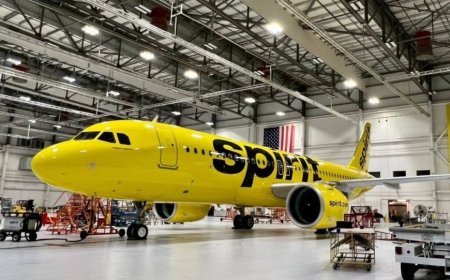












When Low-Cost Tech Runs Out of Runway: Spirit Grounds Operations After Bailout Talks Collapse
Spirit Airlines halted operations May 2, 2026 after failed $500M bailout talks and rising costs. Technology that enabled ultra-low fares helped rivals copy its model, thinning margins and leaving the airline with no runway.
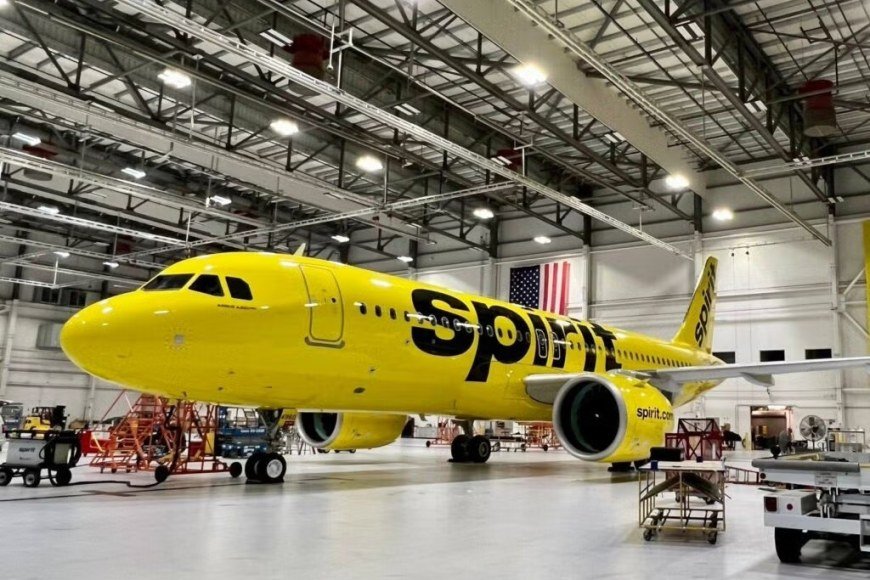
Spirit Airlines announced an immediate halt to operations on May 2, 2026, flights canceled, customer service offline, and the carrier that radicalized cheap flying began an orderly wind-down. The statement was businesslike; the timing, less so: thousands of travelers woke up to a grounded carrier and a lot of unanswered emails.
The airline had been in last-ditch talks for a $500 million infusion from the federal government. Negotiations with the White House failed to produce a deal, and internal debates in the administration meant the dollars never materialized. Company leadership concluded it had no realistic path forward and stopped flying.
This isn’t just a fuel bill story, though jet fuel spikes tied to the war in Iran hammered Spirit’s margins. The airline’s trouble was structural: the pricing and automation tech that made Spirit a bargain-basement pioneer also made its advantage portable, and suddenly, everyone else learned to do it too.
Spirit’s ultra-low-cost model relied on unbundled fares, digital fee systems, and tight cost controls. Those same digital tools let bigger carriers copy the approach with basic-economy fares and sophisticated revenue algorithms. The result: Spirit’s cost edge narrowed, margins thinned, and the technology that kept fares low turned into a commoditized playbook.
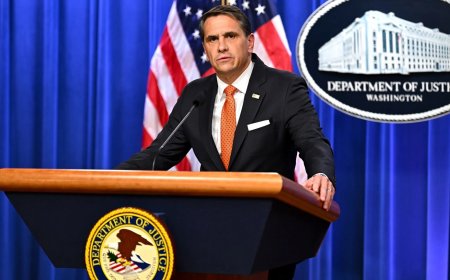
There were also regulatory and market dramas. Spirit agreed to be bought by JetBlue for $3.8 billion after a 2023 bidding fight, but the Justice Department sued to block the deal and a judge rejected the acquisition. The airline had filed for bankruptcy twice since 2024 while trying to reinvent itself, but market share slid, data firm Cirium calculated U.S. passenger share at 3.9% in February, down from 5.1 a year earlier and headed toward roughly 1.8% in May.
Experts say the problem for ultra-low-cost carriers is simple: when your business depends on a cost advantage, losing it is existential. With fuel surges, copycat fare strategies from big rivals, and worries about longer-term profitability, Spirit ran out of options. And the company’s digital-first customer systems, brilliant when everything runs on schedule, left fewer human touchpoints when flights and service went dark.
Spirit’s exit will likely raise fares on routes it used to serve. Consumer advocates note that even travelers who never flew Spirit benefited from the downward pressure it put on competitors’ prices; without it, cheap seats could get a lot less common. Tech helped create an affordable airline, but it also helped turn that bargain into a fragile business model, a reminder that the smartest algorithm can still be undone by geopolitics, copycats, and thin margins. The cheap-seat revolution changed travel, and then, in a tidy, technological twist, took its own runway away.
What's Your Reaction?
 Like
0
Like
0
 Dislike
0
Dislike
0
 Love
0
Love
0
 Funny
0
Funny
0
 Angry
0
Angry
0
 Sad
0
Sad
0
 Wow
0
Wow
0