


































































When Job Apps Lead to War: How Tech Turned Africa’s Job Hunt into a Russian Recruitment Pipeline
Thousands of young African men have traveled to Russia after vague job offers and social-media recruitment. Technology helped connect job seekers to recruiters, and, in many cases, into coerced military contracts, opaque banking setups, and deadly front-line roles. Governments are scrambling to res
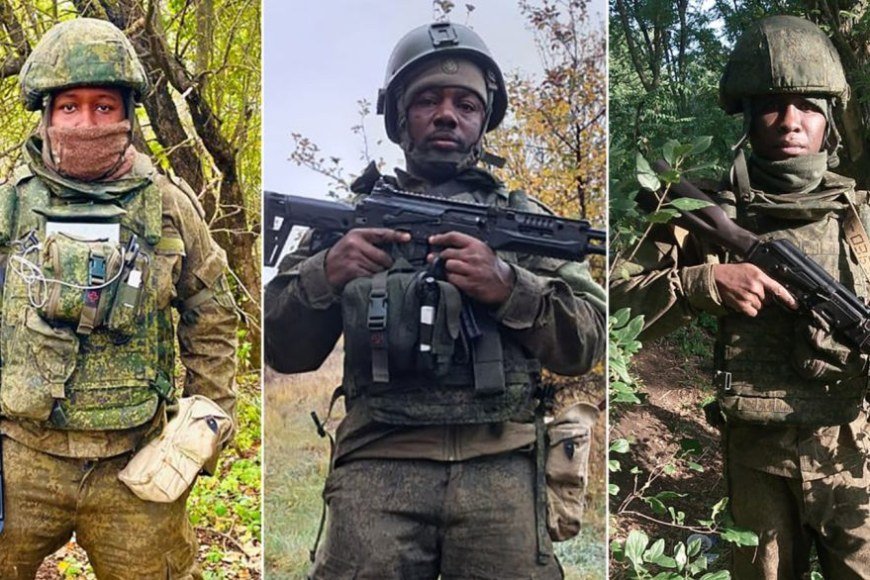
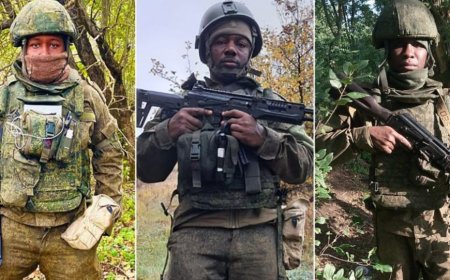
Scroll past the job listings and you might find a recruitment message that looks like a normal overseas gig, only the fine print, the language, and the destination have changed the definition of “work.” Thousands of young African men have traveled to Russia after vague offers and, in some cases, posted cheery videos from military uniform. Many others say they were tricked into coming and coerced into signing contracts they couldn’t read.
Russia’s appetite for bodies helps explain the demand. The war’s human cost has been enormous: around 1.2 million Russian soldiers have been killed, wounded or are missing, according to the Center for Strategic and International Studies in Washington. When domestic losses pile up, looking abroad for recruits starts to look like a policy shortcut, and Africa, with a booming youth population and high job insecurity, is unfortunately easy terrain.
Technology and intermediaries lowered the barrier. Messaging apps, social media and recruitment agencies spread job pitches quickly and cheaply. Sometimes the offers were for work; sometimes they were vague. Recruiters arranged travel, hopeful workers arrived, and then, if survivors’ accounts are typical, pressure followed: contracts presented in Russian, bank apps showing promised pay that proved hard to access, and agencies or middlemen who didn’t always deliver the money.
The money angle is important. Wages in Russia can be many times what young men would earn at home, so the lure is real. But two catches arrive with the pay: survival and paperwork. Front-line roles carry very high attrition. And survivors say the contracts were in a language they didn’t understand and the banking setups were opaque, leaving many returning with little or nothing.
Moscow has never publicly acknowledged a formal policy of recruiting from Africa and maintains that foreigners come voluntarily. Other countries have supplied foreign fighters too, North Korea has sent thousands, and early in the war dozens of Nepali men traveled to fight, but the continent’s youth boom makes Africa a larger pool than most.
African governments face limits. Emigration for work isn’t a crime, and many states have been mostly reactive. Still, pressure from families and civil society has pushed officials to act: Kenya’s foreign minister flew to Moscow and secured a pledge that Kenyans wouldn’t be enlisted; Kenyan authorities say they’ve started stopping young men traveling on routes that could lead to Russia. South Africa’s president and Russia’s leader agreed to help return South African nationals, and countries including Nigeria have warned citizens against recruitment scams.
The result is a messy, modern puzzle: technology solved parts of a job-finding problem, faster outreach, cheap travel arrangements, instant messaging, and in doing so helped create recruitment pipelines that exploit poverty, language barriers and opaque financial systems. The solution can’t entirely be an app update; it needs governments, better information, and stricter oversight of the middlemen. Because when a gig economy meets a war, the payout isn’t just a late paycheck, it can be a grave.
What's Your Reaction?
 Like
0
Like
0
 Dislike
0
Dislike
0
 Love
0
Love
0
 Funny
0
Funny
0
 Angry
0
Angry
0
 Sad
0
Sad
0
 Wow
0
Wow
0