
















































When Following the Form Beats Saving a Species: How Draft Rules May Let Developers Off the Hook
The latest draft of Australia’s national environmental standards could let developers meet rules by following processes rather than proving outcomes, prompting criticism from environmental groups and defence from the government.
Australia set out to give its nature laws some teeth. The latest draft of the national environmental standards looks like it learned to chew paperwork instead: developers could meet the rules simply by following certain processes or principles, rather than proving the promised environmental outcomes will actually be delivered.
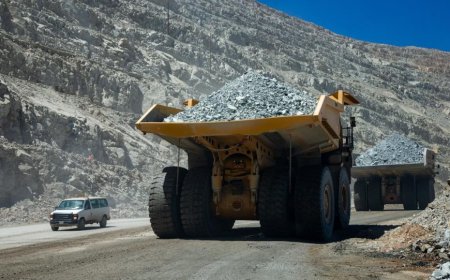
The standards are meant to cover matters of national environmental significance, think endangered animals, world heritage sites and the Great Barrier Reef, and were a central plank of the nature law reforms passed in November. The new draft, released this week, replaces a requirement to demonstrate clear environmental objectives with a test that treats process compliance as the finish line.
Environmental groups are not impressed. The Wilderness Society called the draft “a step backwards” that “will not protect wildlife from extinction or stop the destruction of forests.” It also warned the standard was “riddled with weak language, loopholes and fails to set clear red lines to protect nature.”
WWF-Australia says the version is weaker than last year’s draft and further from the measurable standards recommended by Graeme Samuel in his 2020 review, a review that flagged Australia’s laws were too focused on process and urged standards that mandate actual environmental outcomes.
The draft landed in a busy week: the prime minister announced $45m to help states advance plans to take on federal environmental assessment roles. In theory, that would streamline approvals by letting states decide if projects meet national laws, assessing them against the very standards now under debate.
Federal environment minister Murray Watt said more proposed standards are coming and the government hopes to finalise the first set by mid-year. He described the draft as having “set clear and enforceable expectations around impacts to our most precious species, habitats and heritage places,” and argued the rules would bring “more clarity about what kind of requirements there will be in order to get an environmental approval, rather than sort of choose-your-own-adventure approach that we have at the moment.”
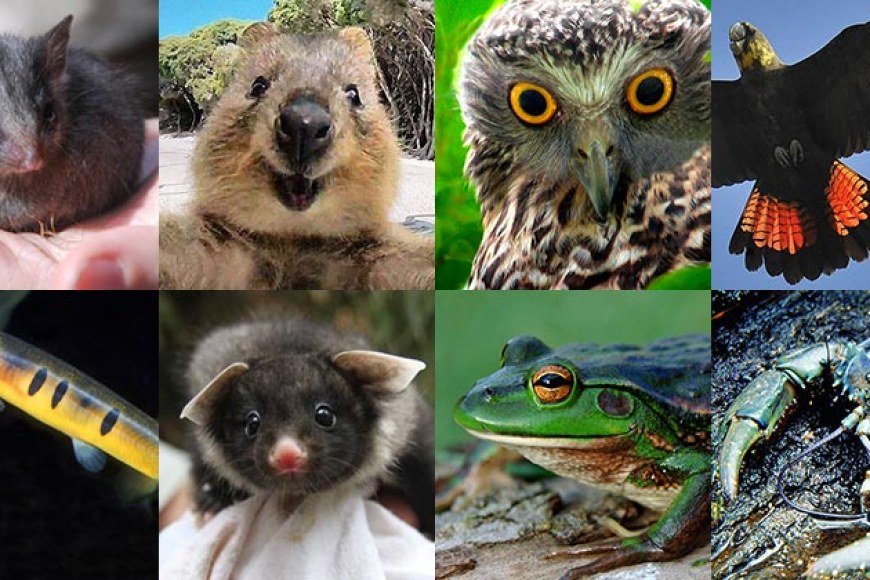
Not everyone buys the clarity line. The Australian Conservation Foundation warned the legal test could be satisfied if a developer merely confirms they followed some principles and processes: “There’s no requirement for these processes to actually deliver the outcomes and objectives expressed in the standard.” Biodiversity experts note Australia’s populations of threatened species have fallen about 50% over two decades, and warn the draft won’t reverse that slide. In short: it hands out gold stars for effort, even if the outcomes are terrible, and nature probably won’t be impressed.
What's Your Reaction?
 Like
0
Like
0
 Dislike
0
Dislike
0
 Love
0
Love
0
 Funny
0
Funny
0
 Angry
0
Angry
0
 Sad
0
Sad
0
 Wow
0
Wow
0