
























































When Firefighting Planes Meet a Jet-Fuel Price Spike, Taxpayers Could Be the Spare Tank
Jet fuel prices have spiked since the war in Iran, and the private planes the U.S. hires to fight wildfires could see fuel bills nearly double, a cost likely passed to taxpayers. Pilots warn low-altitude maneuvers burn extra fuel, and California’s thin refinery stocks raise shortage concerns.
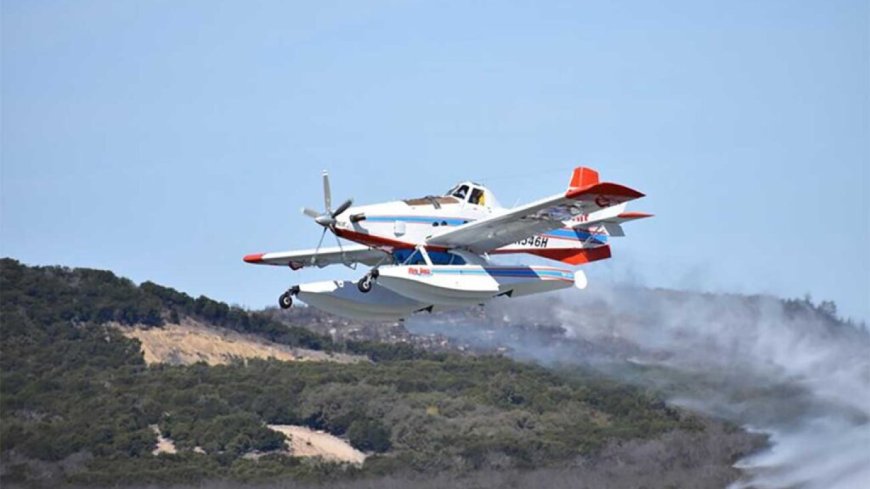
Five single-engine “Fire Boss” planes from Dauntless Air skimmed a Washington lake in 2021, pontoons kissing the water as they scooped up loads to dump on a wildfire. CEO Brett L'Esperance summed them up perfectly: "So if you've ever seen Planes 2, this is Dusty Crophopper." Cute name. Expensive work.
The federal government handles most large wildfires, but nearly all of the roughly 500 aircraft it uses are owned by private contractors like Dauntless. Last year those planes burned through about $50 million worth of jet fuel. If this season ends up looking like last year’s, that bill could almost double to nearly $100 million because jet fuel prices have shot up since the war in Iran began in late February, and taxpayers are the ones on the hook for most of it.
Veteran firefighting pilot Willis Curdy reminds us these planes don’t cruise comfortably at 33,000 feet. "This is not like getting in a 737 and going to 33,000 feet," he said. Low, aggressive maneuvers demand a lot more power, and therefore a lot more fuel, than a long, lazy glide.
Many aerial firefighting contracts let companies pass higher fuel costs along to the government. The U.S. Forest Service declined an interview but said in emailed statements it budgeted $45 million for fire aviation fuel this year, about $7 million less than last year. Curdy laughed when told that figure: "Yeah, I think that budget's going to change."
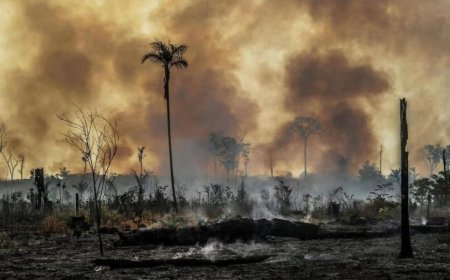
Last year’s fuel tab landed slightly above the six‑year average, but this winter left several Western states very dry to record‑dry, the classic setup for a rough fire season. Federal forecasters are already pointing to an active season across much of the West.
L'Esperance says his bigger worry isn’t just a higher price at the pump, it’s running out of pumpable fuel. California, where most Western jet fuel is refined, is reporting its lowest refinery jet‑fuel stocks in more than two years, and the American Petroleum Institute warns the state leans on imported oil more than the rest of the country. With some imports stalled amid the war in Iran, "That's what's keeping me up at night," L'Esperance said.
The Forest Service says it has the flexibility to spend more if needed, which likely means the budget will bend before the sky does. So brace for a season where pilots pull daring moves over parched landscapes, contractors watch tanker gauges like alarm clocks, and taxpayers quietly add a few extra digits to their collective tab. If you were hoping for a drama-free summer, this is the kind of plot twist that prefers jet fuel to popcorn.
What's Your Reaction?
 Like
0
Like
0
 Dislike
0
Dislike
0
 Love
0
Love
0
 Funny
0
Funny
0
 Angry
0
Angry
0
 Sad
0
Sad
0
 Wow
0
Wow
0