







































































Vote Green, Get Detention Centres? Reform UK’s Sit‑'Em-Where-They-Vote Plan Sparks Outrage
Reform UK proposed siting migrant detention centres in Green‑voting areas and avoiding Reform seats, prompting cross‑party outrage, legal and practical doubts, and accusations the move is partisan electioneering.

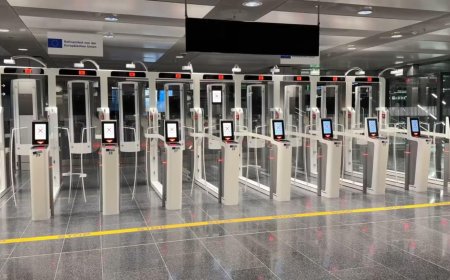
Reform UK has unveiled a policy so blunt it could double as a campaign flyer: don’t expect a migrant detention centre near you if your constituency or council votes Reform, but if your area elects Green representatives, prepare to be prioritized. The party says it wants detention facilities to help carry out a pledge to deport “all illegal migrants,” with plans for centres that could hold up to 24,000 people.
Zia Yusuf, Reform’s home affairs spokesperson, wrote on social media that a Reform government would refuse to site centres in Reform‑held constituencies or councils and would instead “prioritise Green controlled parliamentary constituencies and Green controlled councils.” He even tossed out the snappy slogan “Vote Green, Get Illegals.” Yusuf told Sky News the scale of the deportations would be unprecedented for the UK, though he argued similar moves have happened elsewhere and framed the plan as seeking “democratic consent” for where centres go.
That tidy bit of electoral geography immediately triggered cross‑party condemnation. Greens called the proposal “abhorrent,” arguing it treats whole communities as political targets. Senior Conservatives and other opponents warned it would look like punishment for places that don’t vote Reform and could be deemed an abuse of power, the kind of policy that courts and councils might happily derail before a single person is moved.
Commentators from across the spectrum piled on for different reasons. Some pointed out a new, almost theatrical partisan logic, placing punitive infrastructure where rival voters live reads more like political vengeance than policy design. Others flagged a cruder problem: no non‑Reform council is likely to sign off on hosting detention centres, and the locations suggested may lack the basic services and suitability needed to run such sites efficiently.
Legal and practical headaches loom large. Observers warned that public statements linking siting decisions to party support could create fresh legal problems for any government that tried this, forcing ministers to prove locations were chosen for legitimate policy reasons rather than partisan punishment. Critics also noted that building ill‑suited facilities would likely waste millions and could collapse during early legal challenges.
There’s a clear electoral angle too: Reform launched material on the policy while local ballots were imminent, which opponents say looks engineered to provoke outrage and grab headlines. Whether it’s a genuine blueprint for government or a high‑risk pre‑election stunt, the claim that it’s about “democratic consent” hasn’t calmed nerves, it’s mostly made them louder.
In short: the proposal turned a migration policy debate into a neighbourhood map of grievances. It’s rare for a plan to combine constitutional, legal and logistics problems with such unapologetic cheek, and even rarer for it to present those problems as selling points. If politics is about persuading voters, this approach risks turning governance into payback, and payback rarely survives the first court hearing.
What's Your Reaction?
 Like
0
Like
0
 Dislike
0
Dislike
0
 Love
0
Love
0
 Funny
0
Funny
0
 Angry
0
Angry
0
 Sad
0
Sad
0
 Wow
0
Wow
0