































Von der Leyen: Russian threats to the Baltics are 'unacceptable', Europe steels itself militarily and economically
EU leaders condemned Russian threats to the Baltic states as ‘unacceptable’ and pledged stronger eastern defences, even as the US signals a smaller NATO force role and thinktanks warn Germany about China-driven deindustrialisation risks.
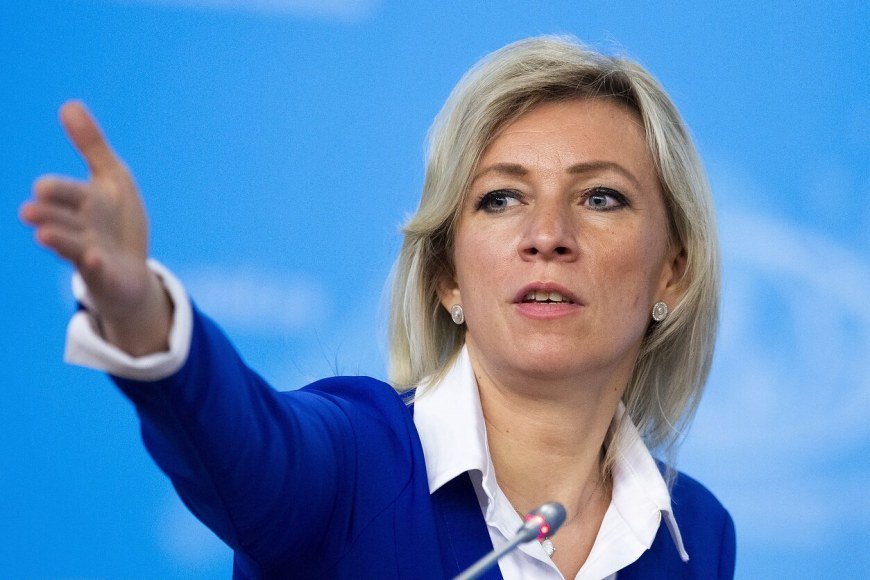
European leaders issued a blunt wake-up call after recent drone incidents near the Baltic states, with European Commission president Ursula von der Leyen calling Russia’s public threats “completely unacceptable” and stressing that “a threat against one Member State is a threat against our entire Union.” She and others warned that Russia, and Belarus by extension, bear responsibility for drones putting civilians at risk, and vowed to reinforce collective defence on Europe’s eastern flank.
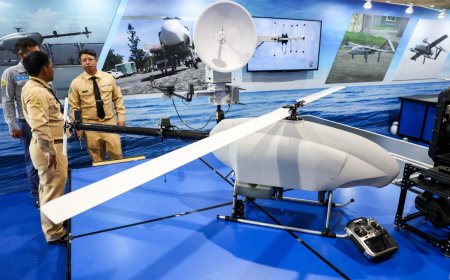
Lithuania’s foreign minister thanked von der Leyen for the show of solidarity as local authorities continued to investigate whether the device that triggered the alarm crashed or left the country. Officials have confirmed it was a military drone, but origin details remain unclear, which helps explain why capitals across Europe are talking in stern tones rather than relaxed ones.
Complicating the military picture, Washington is preparing to tell NATO partners it will scale back the pool of U.S. forces earmarked for a major European crisis, a move that could shift responsibility (and expense) onto European militaries. Dutch prime minister Mark Rutte used the moment to push Europe toward taking more responsibility for its own defence, arguing that a 500m-strong continent should not be perpetually dependent on a single ally to shoulder the heavy lifting.
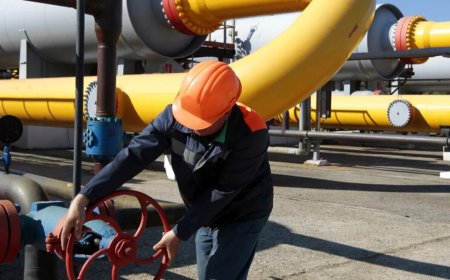
The security anxiety isn’t happening in isolation. Kyiv is seeking clarification from London after the UK issued licences allowing imports of diesel and jet fuel derived from sanctioned Russian crude and permitted maritime transport of Russian LNG. President Volodymyr Zelenskyy’s office says diplomats are in active talks with Britain to understand the decision; London says it is not lifting sanctions broadly and has frozen a planned rise in motor fuel tax as prices bite consumers.
Meanwhile, Brussels has a separate economic irritant to chew on: a fresh warning from the Centre for European Reform that Germany risks a “China Shock 2.0.” The thinktank notes China’s surplus with Germany doubled from $12bn to $25bn between 2024 and 2025, contributing to a $94bn trade imbalance, and warns of a U.S.-style industrial hollowing-out if Berlin keeps admiring the problem instead of fixing it. The lesson: if you outsource the factory, don’t be surprised when the supply chain sends back souvenir unemployment and social strain.
Poland’s Donald Tusk added a political baritone to the chorus, warning that Moscow’s aggressive posture could force firmer responses and that the Baltic states could be affected “through no fault of their own.” At the same time, Hungary’s Péter Magyar signalled a willingness to mend fences with Kyiv and push for stronger security guarantees, a reminder that European diplomacy is running on multiple tracks, from frontier defence to minority rights.
Put together, the headlines suggest Europe is juggling three big items at once: deterrence against a revanchist neighbour, a shifting U.S. security footprint, and an economic battle with a rising China that could hollow out factories and towns if left unchecked. It’s a complicated to-do list, tanks, tariffs and trade strategy, and not the sort of triangular problem that solves itself. Brew a strong pot of coffee, Europe; you’re going to need it.
What's Your Reaction?
 Like
0
Like
0
 Dislike
0
Dislike
0
 Love
0
Love
0
 Funny
0
Funny
0
 Angry
0
Angry
0
 Sad
0
Sad
0
 Wow
0
Wow
0