































































UN Says Denmark May Have Been 'Too Bureaucratic and Colonial', Mother Lost Baby After 'Civilised Enough' Test
The UN has asked Denmark to explain why a Greenlandic mother lost her newborn after a now‑banned FKU parental competency test, warning the practice may amount to ethnic discrimination and urging remedies for affected families.
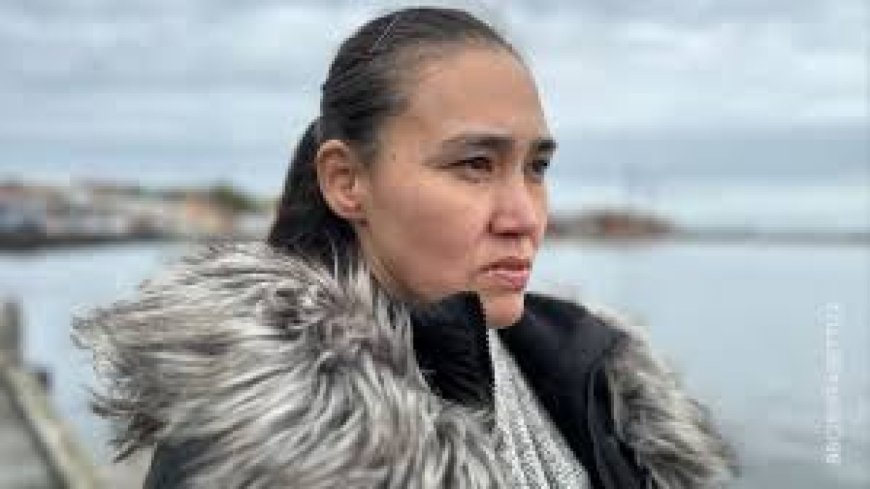
The United Nations has told Denmark to explain why a Greenlandic mother had her newborn removed after being subjected to a now‑discredited parental competence test that critics say hit Greenlandic families hardest.
Keira Alexandra Kronvold’s daughter, Zammi, was taken from her when she was just two hours old in November 2024 and placed with foster carers. Kronvold had been given an FKU psychometric test, a tool she says was used to judge whether she was “civilised enough.” She is one of dozens of Inuit women in Denmark who remain separated from children after similar assessments.
Three UN special rapporteurs, led by Reem Alsalem (the expert on violence against women and girls), have written to the Danish government asking for answers. They say they have reason to believe human rights violations may have occurred and warn the FKU assessments had a disproportionate impact on Greenlandic parents that “may amount to ethnic discrimination.” They also welcomed Denmark’s decision to stop using the tests last May and urged remedies for families already affected.
A little historical context: Denmark ruled Greenland as a colony until 1953. Greenland now has a high degree of autonomy, but many people of Greenlandic origin in Denmark say they still face systemic discrimination. Campaigners long argued the FKU tests were culturally inappropriate for Inuit people, and last May the government abruptly ditched them.
Despite the ban, Kronvold is still separated from Zammi a year after the law changed. The child, now nearly 18 months old, is living with a Danish family and Kronvold is allowed only brief, supervised visits. The UN experts flagged what they called “apparent disrespect” for her reproductive choices over the years and the significant psychological suffering this has caused.
Kronvold’s case goes before the Danish high court on Friday in what her lawyer hopes will be a symbolic ruling that helps other Greenlandic parents in the same position. Denmark, meanwhile, says it has received the UN letter but, in true parliamentary suspense, is currently unable to respond because parties have not finished forming a government after March’s election.
Kronvold wants the tests “erased” and the law changed to better protect Inuit people. The UN will be watching the court and Copenhagen’s reply before deciding whether to take further steps. This is less a paper exercise and more a reminder that when old colonial instincts meet modern bureaucracy, real families pay the price, and the court will have to decide whether the paperwork can be fixed where the harm cannot.
What's Your Reaction?
 Like
0
Like
0
 Dislike
0
Dislike
0
 Love
0
Love
0
 Funny
0
Funny
0
 Angry
0
Angry
0
 Sad
0
Sad
0
 Wow
0
Wow
0