






















UK issues temporary licences for fuel tied to Russian oil, Zelenskyy seeks clarity as ministers apologise
The UK issued temporary licences allowing diesel and jet fuel refined from Russian crude and permitted maritime LNG transport. Kyiv is seeking clarification while UK ministers apologise for poor communication and insist the measures are temporary and under review.
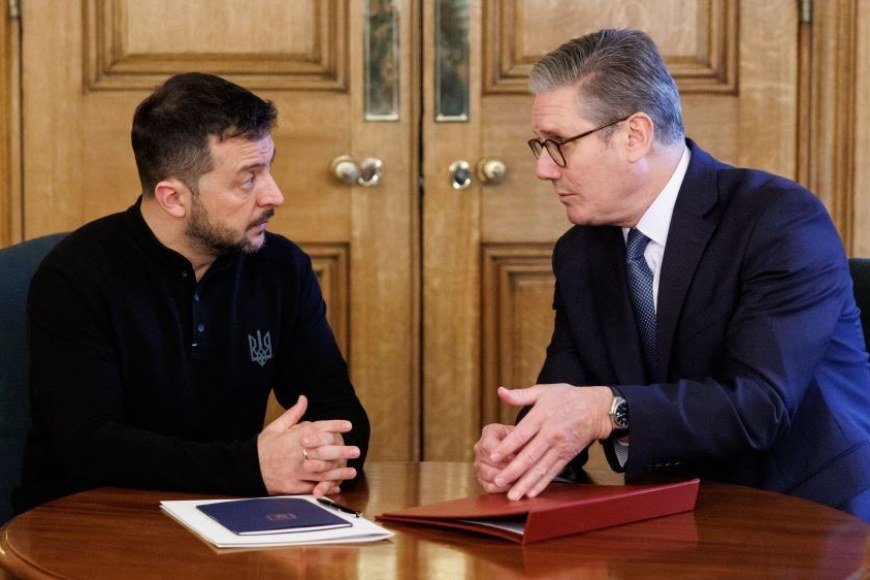
The UK has quietly issued temporary licences allowing imports of diesel and jet fuel refined from Russian crude, and has authorised maritime transport of Russian LNG, a move that has Kyiv picking up the phone for explanations. Zelenskyy’s office says diplomats are in active discussion with their British counterparts to clarify exactly what’s been allowed and why.
Ukraine is understandably nervous. Kyiv has repeatedly warned that revenue from oil and gas sales fuels Russia’s war effort, and its forces have lately focused strikes on Russian oil infrastructure, something the president has called “long-range sanctions.” Any loosening of rules, even if temporary, invites scrutiny.
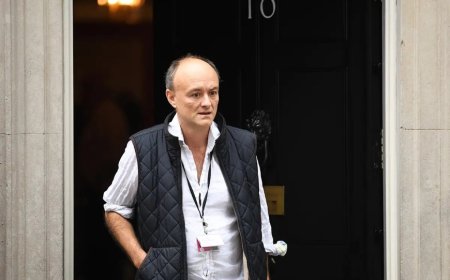
In the Commons the trade minister, Chris Bryant, admitted the government bungled the way it presented the policy. He apologised, accepted responsibility for the confusion and insisted the aim is to strengthen, not weaken, the sanctions regime. Officials point out the UK has also introduced new legal measures banning some imports, including uranium and certain Russian oil products processed in third countries, and say the diesel and jet-fuel licences are narrow, temporary responses to supply pressures linked to the situation in the Middle East.
That explanation didn’t stop opposition MPs from accusing the government of helping the Kremlin. Kemi Badenoch argued the move looked like a betrayal of Ukraine; Labour’s Keir Starmer pushed back hard, saying the policy had been mischaracterised and that ministers should have made that clear much sooner. The broader complaint wasn’t just substance but timing and messaging: critics said an efficient government would have killed the negative headlines long before questions reached PMQs.
Behind the theatre was a simpler human story: two Whitehall departments apparently misread each other, a minister decided to “take the hit,” and the media ran with the version that made for the spiciest morning briefing. Bryant framed his apology as owning the mess, a rare public instance of a minister volunteering blame rather than delegating it to the press.
As Westminster bickered, there were the usual PMQs detours, debates about drilling in the North Sea, party politics and a reminder that government communications are as vital as the policies themselves. The upshot from ministers remains that the licences are targeted, under review and will be withdrawn as soon as it’s safe to do so.
So for now the picture is a mix of temporary technical relief for fuel markets, legitimate Ukrainian concern about funds reaching Moscow, and a bout of public hand-wringing over who said what to whom and when. Diplomats are on the phone, ministers are apologising, and clarity is being promised, which, in politics, is sometimes as rare as oil that everyone agrees on.
Closing line: Until the diplomats finish their calls and the lawyers finish their fine print, expect more explanation, not less, and perhaps a few more apologies on the way.
What's Your Reaction?
 Like
0
Like
0
 Dislike
0
Dislike
0
 Love
0
Love
0
 Funny
0
Funny
0
 Angry
0
Angry
0
 Sad
0
Sad
0
 Wow
0
Wow
0