



































































UK 'Invention Agency' Funnels Over £50m to US Tech Firms, Moonshots or Silicon Valley Export Program?
Aria, the UK’s 'invention agency' created by Dominic Cummings, has directed over £50m of R&D funding to US tech firms and VC groups. The grants raise questions about value for the UK, contractual safeguards, and regional imbalances in R&D spending.
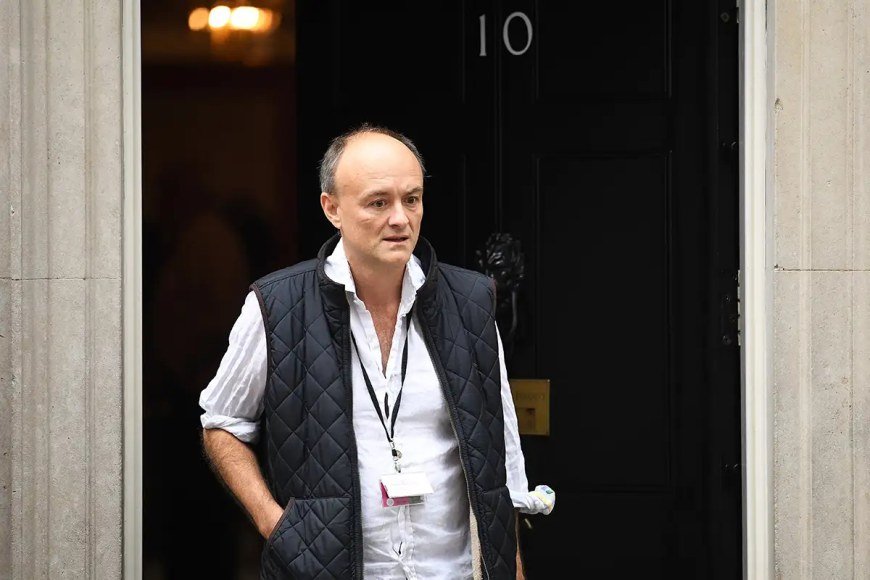
Britain’s much‑touted “invention agency,” Aria, the Dominic Cummings brainchild meant to fund “crazy” science and restore the UK as a research superpower, has quietly routed more than £50m of public R&D cash to US tech firms and venture groups. It’s the kind of outcome that makes you wonder whether the moonshot came with a one‑way ticket to Silicon Valley.
Over the past two years Aria has spent roughly £400m on research and development. Transparency disclosures and follow‑ups show more than an eighth of that pot has gone to 14 US companies and venture outfits: about £23m to nine US tech firms, a further £6m to one company that only established a UK presence weeks before getting funded, and some £29.4m to three US venture capital groups. Those numbers add up to a surprising transatlantic tilt for an agency created to benefit the UK.
There are familiar names and awkward timing. Rain Neuromorphics, a firm backed by OpenAI’s Sam Altman, reportedly teetered near collapse last year after winning Aria money but is still delivering on a project for the agency. Pillar VC incorporated in the UK one day before receiving a £10.9m contract. Renaissance Philanthropy, linked to former Google CEO Eric Schmidt, incorporated in the UK shortly before getting £13.3m. Normal Computing set up a UK arm weeks before its award; it says building that presence was contractual and that it has “reinvested approximately 150% of the award value back into the UK.”
Some of the US recipients are trying to sound useful: CIC Venture Cafe Global Institute will run “venture cafes” across the UK for £5.4m; Fifty Years will run a 14‑week course for scientists six times over, for which it will earn around £7m and says it could not have brought the programme to the UK without Aria. MorphoAI says the grant helped it grow in the UK and that over half its employees are now based here. Others did not respond to enquiries.
Aria’s defenders point to its mission to “unlock breakthroughs that benefit the UK,” and it says over 80% of its funding goes to UK‑based teams. The agency adds that when it does fund international organisations it aims to transfer scientific capability to the UK and that contractual protections ensure benefits flow back here. Its standard policy, it notes, is not to take equity or IP but to require a royalty payment to the UK on any IP commercialised abroad.
Critics, however, see a different picture. Chi Onwurah, chair of the Commons science and technology committee, warned that Aria must be subject to stronger scrutiny and questioned how funding US‑based venture capital and tech firms meets the statutory goal of benefiting the UK, especially when regional spending is so unequal (the West Midlands, for example, has received just 0.8%). Cecilia Rikap of University College London argues the move looks like taxpayer money helping further entrench the US tech ecosystem rather than building UK‑owned capacity.
Aria was set up to avoid red tape, and for its first years it was exempt from freedom‑of‑information laws and published few grantee details. The setup was supposed to speed up moonshots; instead, some of the results read like a checklist for a foreign expansion team: incorporate in the UK, apply for grant, run programmes locally, and take the benefits wherever the market leads. The useful question now is whether those benefits will actually stick around. For an agency created to bring the future home, it would be nice if the moonshots didn’t all land on someone else’s lawn.
What's Your Reaction?
 Like
0
Like
0
 Dislike
0
Dislike
0
 Love
0
Love
0
 Funny
0
Funny
0
 Angry
0
Angry
0
 Sad
0
Sad
0
 Wow
0
Wow
0