







































U.A.E. Quits OPEC Like a Roommate Who Just Decided to Move Out at Dinner
The United Arab Emirates’ decision to leave OPEC has rocked the region, underscoring how the country, at odds with Saudi Arabia, is increasingly charting its own course.
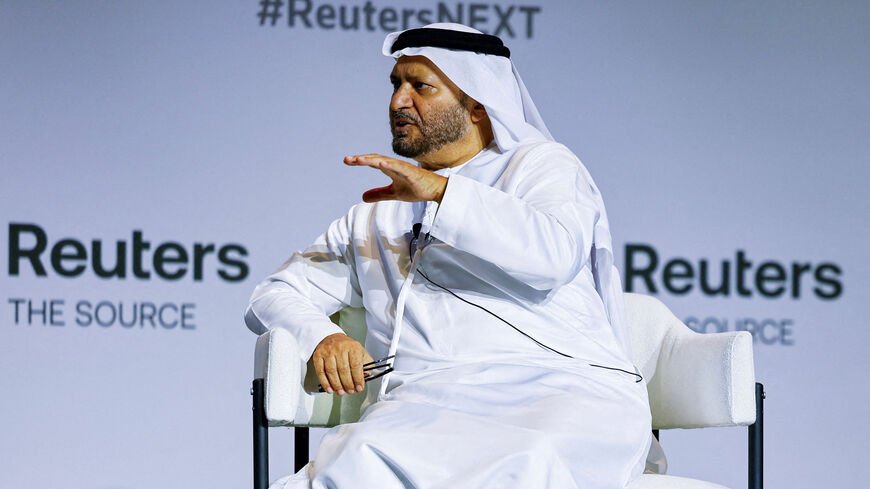
In the middle of a high-stakes Gulf leaders’ summit hosted by Saudi Arabia, the United Arab Emirates quietly, then not-so-quietly, announced it was leaving OPEC. The timing read like a dramatic season finale: as the Saudi crown prince took the podium, Abu Dhabi dropped a policy mic and said it was going solo on oil.
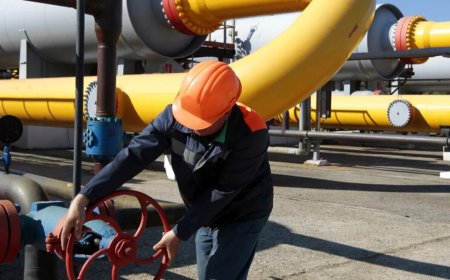
Emirati officials framed the move as a practical step to boost production and meet long-term market needs. Neighbors read it as a pointed reminder that OPEC’s most influential club member, Saudi Arabia, no longer has an unquestioned veto over Gulf oil strategy.
Whether the announcement was a deliberate poke or deliciously awkward timing is unclear, but it landed as a symbol of a larger shift. The U.A.E. has been signalling for some time that it will put national priorities ahead of old deference, especially after a year that has splintered Gulf unity.
The split is not just about barrels. Abu Dhabi and Riyadh have been rowing in different directions on Yemen, backing different forces in Sudan, and diverging over ties with Israel. Two leaders who once coordinated closely in 2015 are now pursuing distinct regional blueprints, and the oil break-up made that public.
The wider context is the war with Iran and its fallout. Since late February, after strikes that involved U.S. and Israeli forces, Iran’s retaliatory missile and drone attacks have been aimed at Gulf states hosting American forces. Instead of knitting Gulf capitals closer together, the attacks have amplified divisions, and nudged countries toward more independent security and economic strategies.
Practically speaking, the U.A.E. says it wants to pump more oil; in reality, that ambition could be constrained by wartime logistics and market uncertainty. The move also reshuffles diplomatic cards: Abu Dhabi’s massive sovereign wealth and global reach mean this is not a parochial protest but a recalibration with global ripple effects.
If there’s a human scene behind the geopolitics, it looks a bit like a spouse deciding they’ll do their own taxes from now on: messy, defiant, and guaranteed to produce a lot of awkward phone calls. For now, the U.A.E. has chosen independence over group therapy, whether that makes energy markets breathe easier, or just makes the region more interesting, remains to be seen.
What's Your Reaction?
 Like
0
Like
0
 Dislike
0
Dislike
0
 Love
0
Love
0
 Funny
0
Funny
0
 Angry
0
Angry
0
 Sad
0
Sad
0
 Wow
0
Wow
0