



























































Trump’s Deal Likely Erases a Potential $100 Million IRS Penalty, Accounting Magic?
A settlement with Justice and Treasury likely erased a long-running IRS audit that could have exposed President Trump to over $100M in taxes, interest and penalties; the deal ends related litigation and leaves some unanswered questions about timing and transparency.
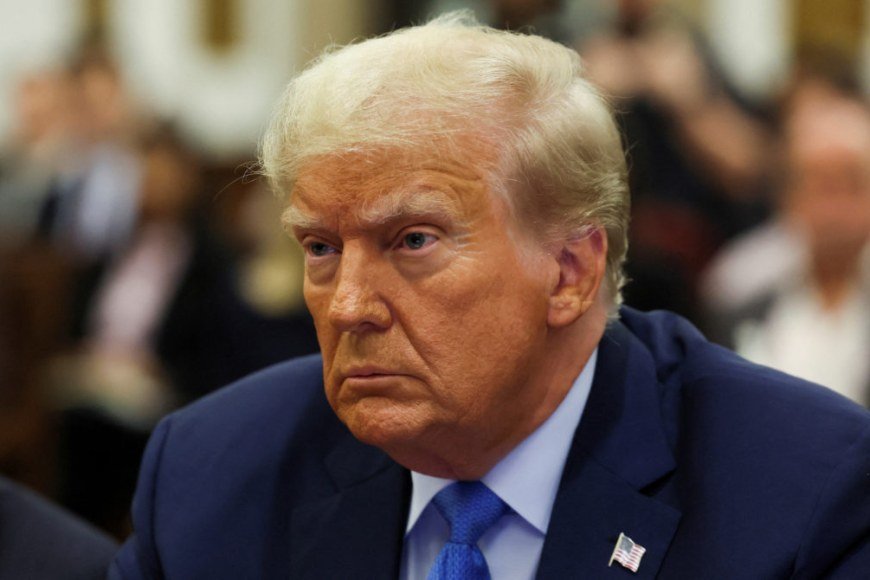
A legal agreement reached this week with the Justice and Treasury Departments appears to have neutralized a long-running IRS audit that once threatened President Trump with more than $100 million in taxes, interest and penalties. The deal ends a lawsuit by Mr. Trump and his sons against the IRS and, in doing so, effectively closes the book on any challenges tied to tax returns they have already filed.
The audit traces back to a $72.9 million refund Mr. Trump claimed (and received) beginning around 2010, covering federal income taxes paid for 2005 through 2008, years when his reality-TV era produced his biggest reported earnings. He justified the refund by reporting roughly $1.4 billion in business losses for 2008 and 2009 that the tax code prevented him from using earlier.
At the center of the dispute were two familiar trouble spots: Mr. Trump’s casinos and the Chicago condo-hotel tower. In 2008, sagging sales at the Chicago project led to massive reported losses, figures reported elsewhere reached as high as $651 million for the year. In 2009, the casinos teetered toward bankruptcy, and Mr. Trump filed paperwork signaling he had abandoned partnership interests, a tax-language maneuver that opened the door to claiming previously unusable losses.
The IRS, however, argued that some of those losses were effectively written off twice, a technique that could have produced a large tax liability. If the audit had remained active until now, accrued interest and penalties could have driven the total far past the initial refund figure.
The Trumps’ lawsuit sought billions and alleged that leaked tax information had been mishandled. The new agreement ends that litigation without further court review and bars the IRS from reopening audits of returns already filed, a broad protection whose value is hard to quantify because neither side disclosed whether other audit issues were still pending.
That uncertainty matters politically and financially. The president has long cited an ongoing audit as a reason for withholding his tax returns, and the IRS is required by its own procedures to review a president’s returns annually. White House and Trump Organization statements did not clarify whether audits were paused or resolved at earlier points during his terms, leaving questions about timing, interest accrual, and whether any fresh issues might still exist.
For Mr. Trump, the immediate takeaway is straightforward: a settlement that likely removed a seven‑figure exposure. For the IRS and anyone watching questions of tax transparency, the outcome is more ambiguous, a potentially big tax fight ended by dealmaking rather than by a court ruling that would have set a public precedent.
In Washington, timing and legal maneuvering can be as decisive as the math. This week’s agreement turned an audit that once looked like an iceberg into something much smaller, proof that in the world of high-dollar tax disputes, the paperwork sometimes does the disappearing act.
What's Your Reaction?
 Like
0
Like
0
 Dislike
0
Dislike
0
 Love
0
Love
0
 Funny
0
Funny
0
 Angry
0
Angry
0
 Sad
0
Sad
0
 Wow
0
Wow
0