





































Trump Threatens to Cut U.S. Troops in Germany After Chancellor Says Iran 'Humiliated' the U.S.
The comments came after the German chancellor said that Iran has “humiliated” the United States.
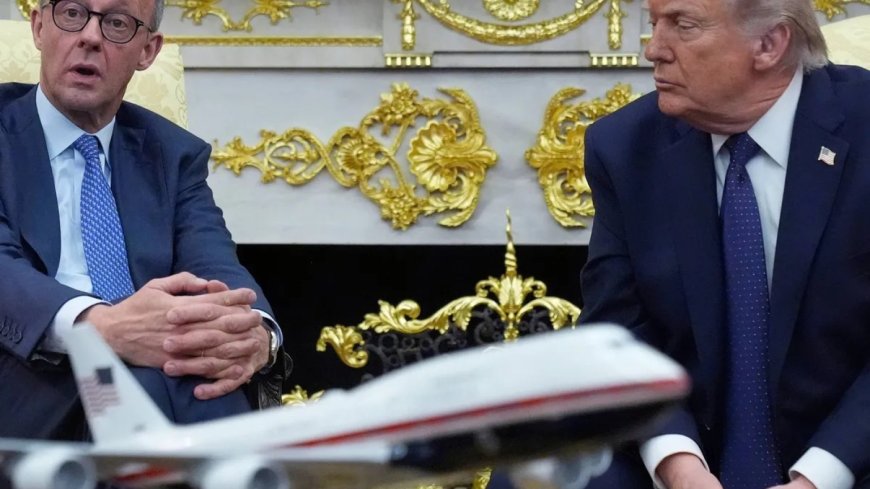
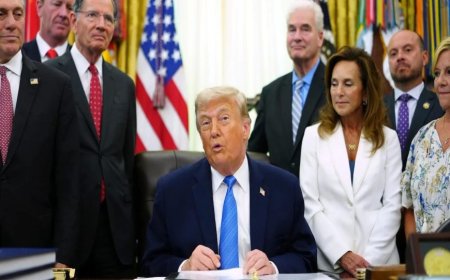
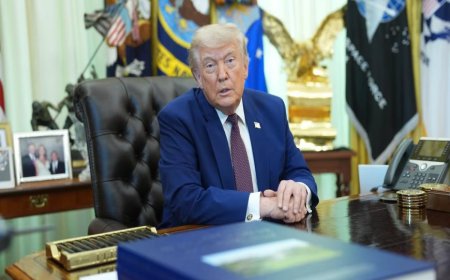
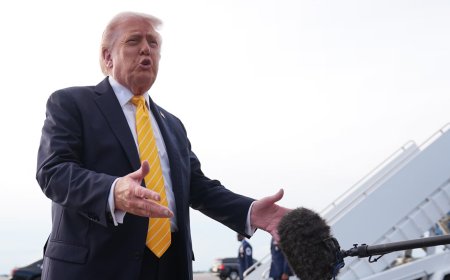
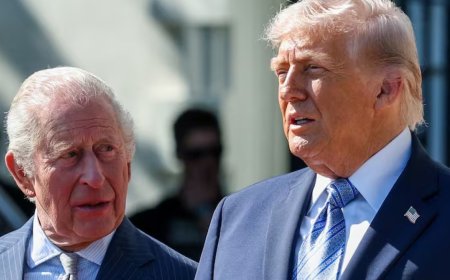
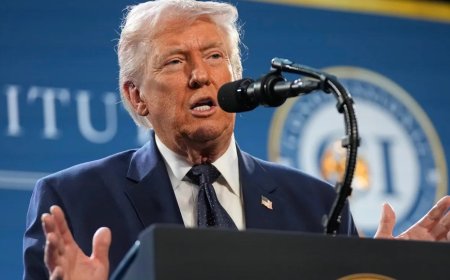
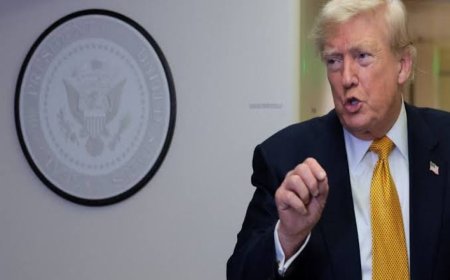
President Trump announced he is “studying and reviewing the possible reduction of Troops in Germany” after German Chancellor Friedrich Merz told students that Iran had “humiliated” the United States. In other words, a schoolroom critique has entered the realm of national basing strategy, and nobody involved is pretending this is normal.
The timing is awkward: Washington had already been hinting at a review of troop levels across Europe even before the chancellor’s remarks. That matters because Germany is the hub of the American presence on the continent, about 35,000 troops, medical treatment centers, aircraft arming and maintenance, and the European command headquarters. Italy and the United Kingdom host roughly 12,000 and 10,000 U.S. troops, respectively, and all three have been key staging points for operations supporting the campaign against Iran.
Military leaders have warned that trimming forces at those major bases carries real operational risks, especially with concerns that Russia might probe NATO’s resolve in the Baltics. Still, this particular push toward a decision feels less like a strategic debate and more like a personal reaction: Mr. Merz, a former investment banker who has cultivated ties with Mr. Trump, has lately criticized the war as ill-considered and questioned America’s exit strategy.
Mr. Merz was blunt in a school assembly: “The Americans obviously have no strategy,” he said, adding that conflicts require exit plans, citing Afghanistan and Iraq as painful examples. Germany had been left out of U.S. deliberations and showed no appetite for joining the fight, either alone or under NATO, which only widened the gap.
Mr. Trump responded with fury on social media, accusing Mr. Merz of siding with Iran and declaring, “The Chancellor of Germany, Friedrich Merz, thinks it’s OK for Iran to have a Nuclear Weapon. He doesn’t know what he’s talking about!” He also took a swing at Germany’s economy. The president did not name who is conducting the troop review but said a decision would be made “over the next short period of time.”
A reminder: the president can signal anger at alliance partners, but formally withdrawing from NATO or making sweeping basing changes involves Congress and military planners. And while some threats evaporate as quickly as they appear, Mr. Trump pivoted minutes later to criticize the Fed’s Jerome Powell, the combination of simmering strategic questions and a very public spat raises the odds of at least some retaliatory move.
So for now, Europe’s base map looks a little uncertain, military commanders are on high alert, and diplomats are left to paste together explanations that sound like grown-up damage control. The transatlantic relationship has never been particularly tidy, but right now it resembles a group chat where one participant threatens to delete the thread, dramatic, unpredictable, and liable to create a lot of logistical headaches.
What's Your Reaction?
 Like
0
Like
0
 Dislike
0
Dislike
0
 Love
0
Love
0
 Funny
0
Funny
0
 Angry
0
Angry
0
 Sad
0
Sad
0
 Wow
0
Wow
0