



















































Trump team's half-step on cannabis leaves industry scratching heads
Acting AG Todd Blanche moved state medical cannabis and prospective FDA-approved cannabis products from Schedule I to Schedule III, prompting industry confusion, equity concerns, and calls for clearer implementation; a DEA rescheduling hearing is set for June 29.
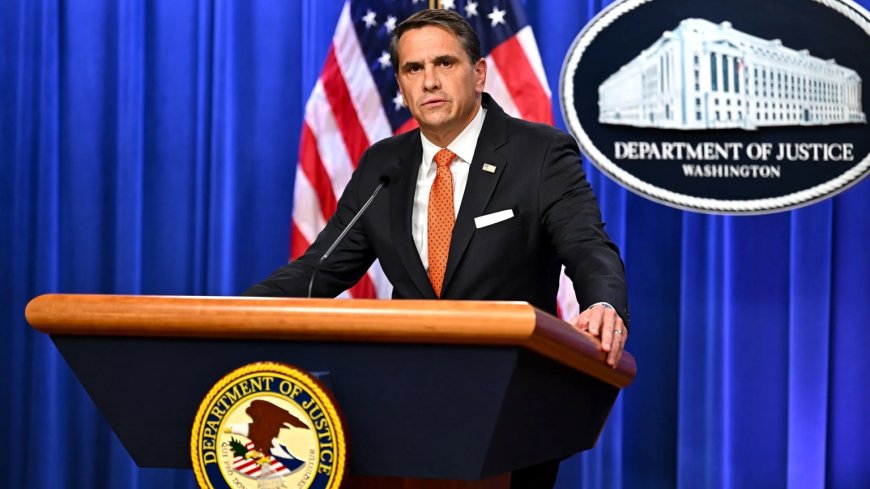
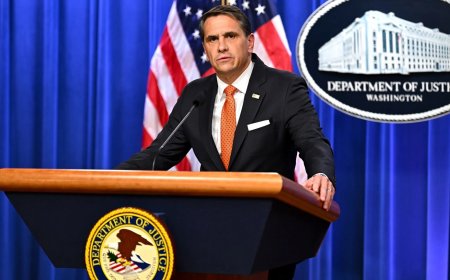
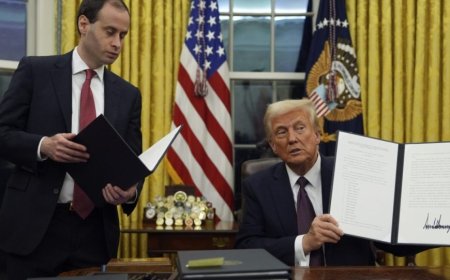
The Trump administration quietly nudged parts of the cannabis world out of Schedule I, but like a neighbor moving your lawn chair a foot closer to the curb and calling it progress. Acting Attorney General Todd Blanche signed an order that shifts products sold under state medical cannabis programs, plus future FDA-approved cannabis drugs, from Schedule I to Schedule III.
That sounds like a big deal until you remember the fine print. Schedule I is the category for drugs considered to have no accepted medical use; Schedule III is regulated but permitted, alongside drugs that include certain codeine mixes and ketamine. The change applies to medical-state products and to prospective FDA-approved medicines that don’t yet exist, not to the handful of cannabis-based drugs already cleared by the FDA.
Legal experts and reform advocates say this is partial rescheduling, not a wholesale rewrite of federal cannabis policy. There are worries the order short-circuits a full, evidence-based look at risks before deciding how future cannabis medicines will be classified. The administration leans on the 1961 Single Convention on Narcotic Drugs, the UN treaty that limits production and insists on scientific and medical use, as the legal justification, which has opened a debate about whether U.S. federal posture is already out of step with on-the-ground legalization.
Industry folks are baffled. Cannabis executives liken the announcement to an ill-timed memo: it signals something pro-cannabis from a high level, but leaves the practical plumbing unmapped. Companies that hold both medical and adult-use licenses point out the absurdity: the same bud could be treated very differently under federal law depending on which shelf it came from, despite there being no difference in the product, price, or staff who handled it.
There’s also an equity problem baked in. Because the order limits DEA registration to medical providers, it likely benefits entrepreneurs who got in through the medical market and can register, while excluding many Black and Latino entrepreneurs who entered later via adult-use programs. Advocates warn that protections for patients are vague too; federal recognition as medicine may not erase risks like housing or employment discrimination if implementation isn’t clarified.
The Department of Justice set a new administrative hearing on rescheduling for June 29, but full rescheduling remains uncertain, and even that would fall short of the broad legalization most Americans support. For now the federal posture is part progress, part paperwork, and mostly an elaborate bureaucratic shrug, one that leaves patients, businesses, and regulators all waiting for the punchline.
What's Your Reaction?
 Like
0
Like
0
 Dislike
0
Dislike
0
 Love
0
Love
0
 Funny
0
Funny
0
 Angry
0
Angry
0
 Sad
0
Sad
0
 Wow
0
Wow
0