












































Trump Shrugs at Iran’s 14-Point Peace Pitch: ‘Not Paid a Big Enough Price’, and Digital Payments Are a Minefield
Iran sent a 14-point peace proposal to Washington via Pakistan; Trump doubts Iran has “paid a big enough price.” The plan includes lifting the blockade of the Strait of Hormuz and releasing frozen assets. The US insists on nuclear safeguards and warned shippers against paying Iran, including via di
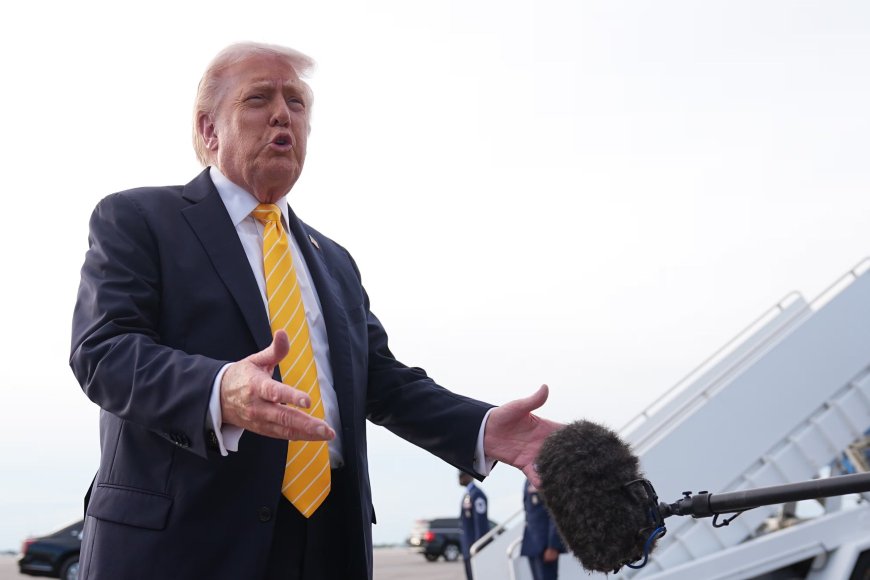
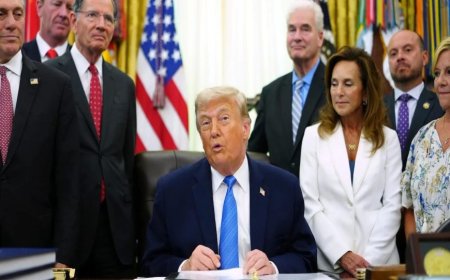
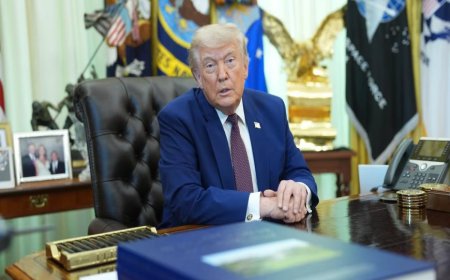
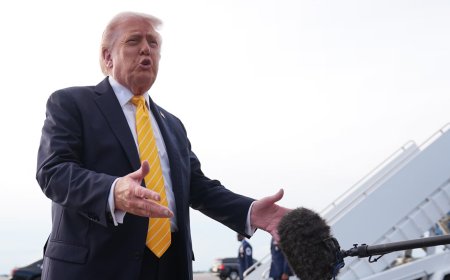
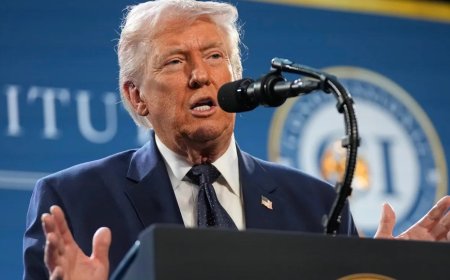
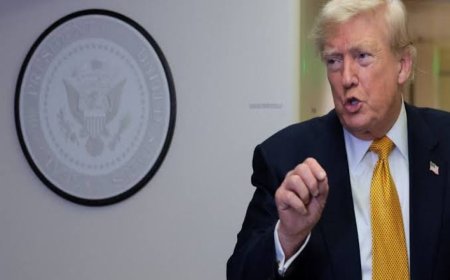
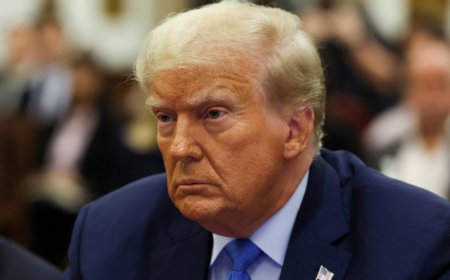
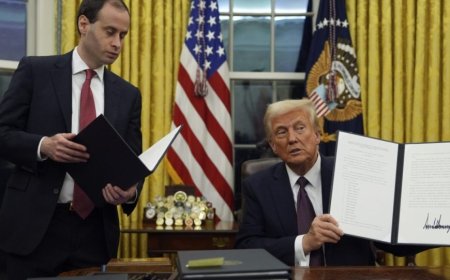
A new 14-point peace proposal from Tehran landed in Washington via Pakistan over the weekend, and President Trump gave it the diplomatic equivalent of a shrug: he’ll read it, but he doesn’t think Iran has “paid a big enough price.” He added he was waiting for the exact wording, because nothing says high-stakes diplomacy like last-minute copy-and-paste.
Iranian semiofficial outlets Tasnim and Fars, which are close to the Revolutionary Guard, reported that Tehran sent the detailed package. The offer follows a ceasefire that has been in place since 8 April and a failed round of talks in Pakistan earlier this spring.
The plan, as described by Iranian outlets, bundles a lot of demands: US forces pulled back from areas near Iran, the US blockade on the Strait of Hormuz lifted, frozen Iranian assets released, compensation paid, sanctions lifted, and an end to the war on all fronts, including Lebanon, plus a new mechanism to manage the strait. Some reports suggest Tehran would reopen the strait before any final agreement on nuclear issues is reached.
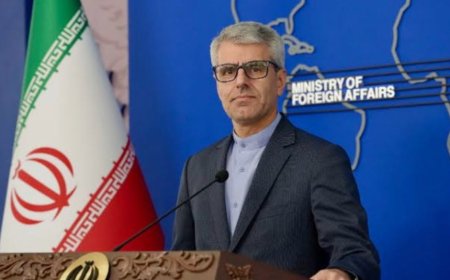
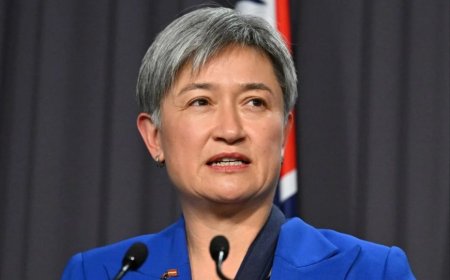
Washington’s baseline remains firm: it won’t call a war over until it’s confident Iran can’t obtain a nuclear weapon. Trump cited that as a primary aim when strikes began in February amid stalled nuclear talks; Iran continues to insist its nuclear program is peaceful. Iran’s deputy foreign minister Kazem Gharibabadi summed up the moment bluntly: “the ball is in the United States’ court” to choose diplomacy or confrontation. Tehran says it is ready for either.
Here is where technology sauntered in wearing a “helpful” T‑shirt. The US warned shipping companies they could face sanctions for paying Iran to pass safely through the Strait of Hormuz, and explicitly included payments made in digital assets, offsets, informal swaps, charitable donations or through Iranian embassies. In short: blockchain and other modern payment workarounds can move money where traditional channels are blocked, which solves one logistical headache and creates at least three legal and political ones.
Trump also left the door open to more military action if Iran “misbehaves,” a reminder that the ceasefire is a fragile pause rather than a peace. Between the president’s wait-and-see posture, Tehran’s public terms, and navies watching tanker traffic, the situation looks like diplomacy trying to thread a needle while a fintech startup keeps offering new types of thread.
So diplomacy, sanctions and digital payments are now in the same room, and no one has agreed on the ground rules. The ceasefire holds for now, the proposal has been sent and read receipts are pending, and the next act will tell whether this becomes a real deal or another round of high-stakes bargaining where the only thing more complicated than the politics is the payments system. Hold for the next update, and maybe turn off auto-payments.
What's Your Reaction?
 Like
0
Like
0
 Dislike
0
Dislike
0
 Love
0
Love
0
 Funny
0
Funny
0
 Angry
0
Angry
0
 Sad
0
Sad
0
 Wow
0
Wow
0