






























Trump Says US Will 'Run' the Strait of Hormuz, and Charge a 20% Toll
Trump ordered a naval blockade and proposed a 20% tariff on the Strait of Hormuz as US-Iran drone and missile attacks escalated, sending oil prices higher and raising diplomatic risks.
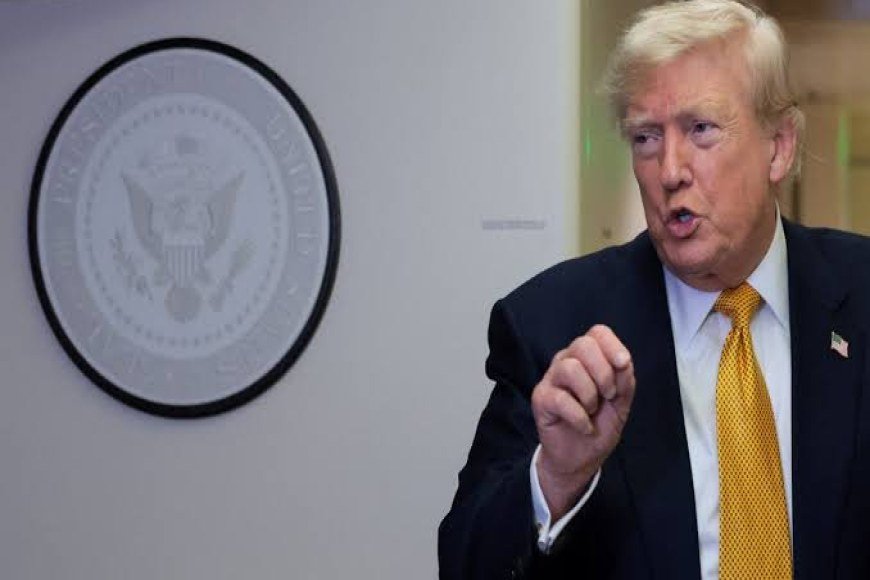
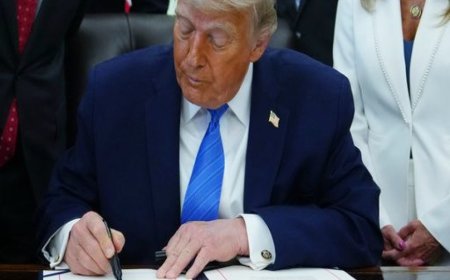
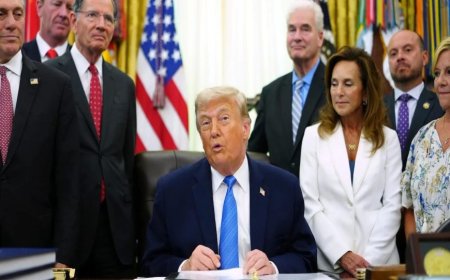
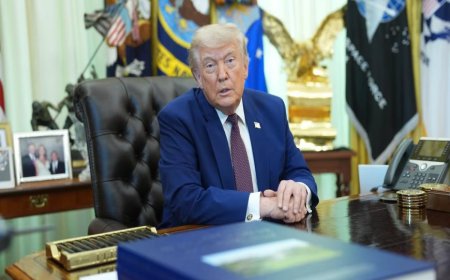
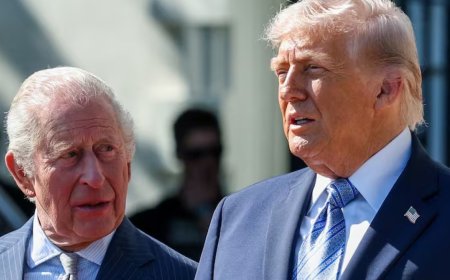
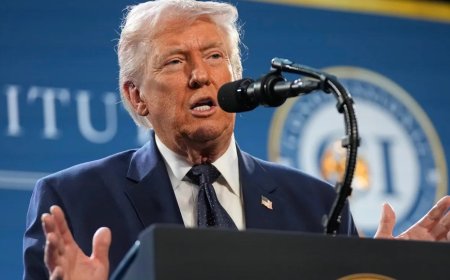
Donald Trump announced a renewed naval blockade of the Strait of Hormuz and floated a 20% tariff on all cargo moving through the chokepoint, saying the US should act as the strait's guardian. He made the comments on his social platform and in a later TV interview, arguing that the United States could manage transit and should be reimbursed for doing so.
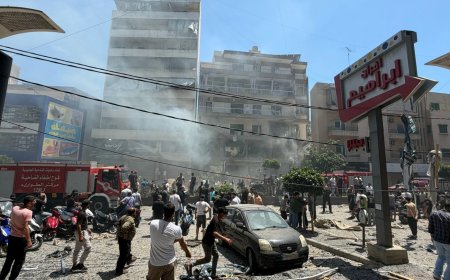
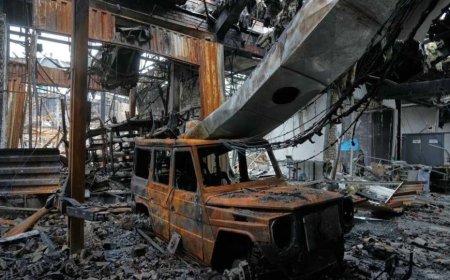
The declaration landed amid some of the heaviest drone and missile exchanges in weeks. Both sides reported attacks: Iranian forces said they struck US military targets in Bahrain and Kuwait, hit radar systems in Oman and damaged fuel and ammunition facilities in Jordan, while US military statements described strikes on Iranian air defenses, coastal radars, missile and drone infrastructure and small boats.
Explosions were heard on Iran's Qeshm Island and in Bandar Abbas as tensions flared. Iran's Islamic Revolutionary Guard Corps accused Washington of endangering global oil and gas supplies and warned any US moves in the strait would be strongly contested.
The tariff idea is especially striking because Washington has repeatedly insisted that international waterways cannot be turned into toll roads. Marco Rubio last month reiterated that charging fees on a corridor used for international navigation would violate established international law.
Economically the stakes are immediate. About one fifth of the world's oil and liquefied natural gas shipments passed through the strait before the conflict. Brent crude rose more than 3% on the day of the exchanges, though markets stayed below earlier peaks triggered by the fighting.
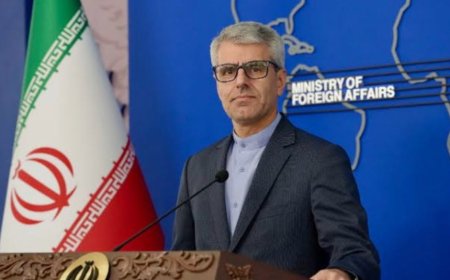
Diplomacy is frayed. An interim 60-day arrangement meant to pave the way for longer talks has largely collapsed into a cycle of strikes and counterstrikes. Iran said talks with Oman on managing transit routes broke down because of overt and covert pressure from the United States, and Tehran has sought to set up an authority to collect transit fees and regulate passage.
Washington responded by revoking a license allowing the sale of Iranian crude and by stressing that US forces are positioned to safeguard freedom of navigation. Naval guidance pointed to an expanded southern route near Oman as still available for two-way traffic, though that is a workaround not a cure.
The immediate consequence is clear: sailors, shippers and markets are being forced to price in uncertainty. Whether the United States can or will physically seize control of the strait, or successfully bill the world for doing so, remains unclear. For now the Strait of Hormuz is less a calm shipping lane and more an expensive geopolitical waiting room, and everyone is watching the door.
What's Your Reaction?
 Like
0
Like
0
 Dislike
0
Dislike
0
 Love
0
Love
0
 Funny
0
Funny
0
 Angry
0
Angry
0
 Sad
0
Sad
0
 Wow
0
Wow
0