
























Trump Says US-Iran Deal Will Be Signed Sunday; Tehran Says Don’t Hold Your Breath
Trump says US-Iran deal will be signed Sunday and the Strait of Hormuz will reopen; Iran and mediators cast doubt on the timing as regional strikes continue.
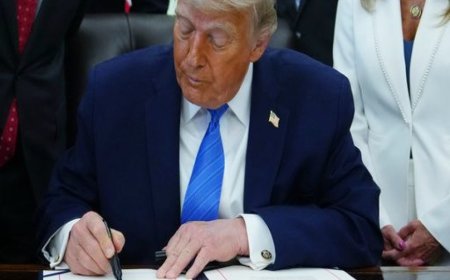
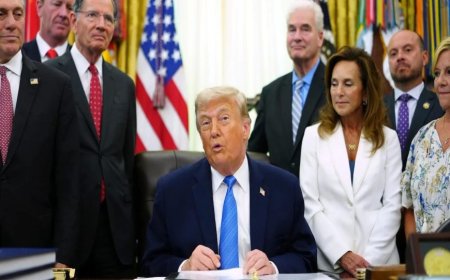
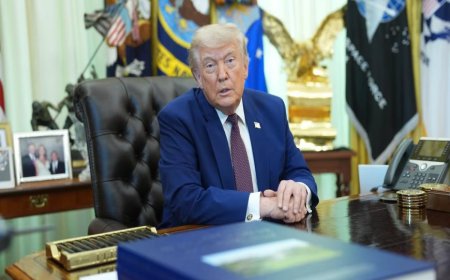
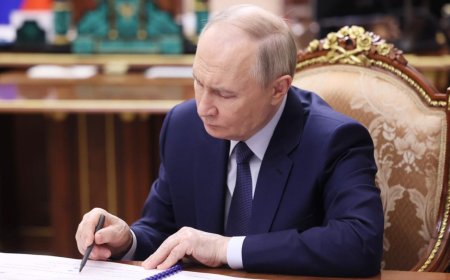
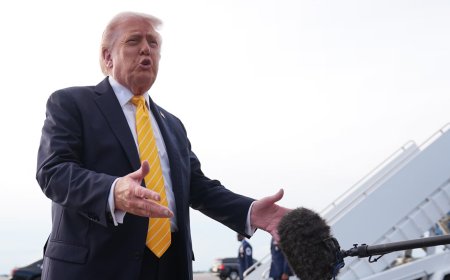
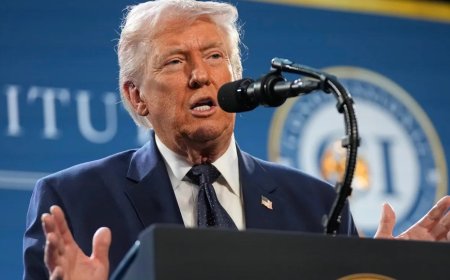
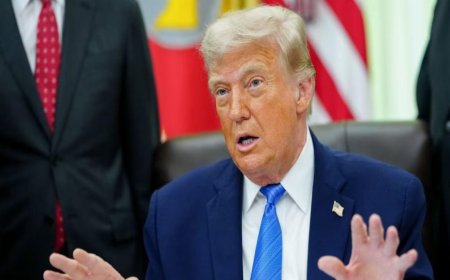
President Donald Trump announced that a US-Iran deal is scheduled to be signed on Sunday and that the Strait of Hormuz would be "open to all" once it is. Tehran pushed back on the timeline, leaving mediators, markets and tankers squinting at their calendars.
Pakistan, which has been brokering the talks, said finalisation was "likely expected" within 24 hours and that it was preparing for an electronic signing. A Qatari delegation arrived in Tehran, adding diplomatic foot traffic to an already busy corridor of negotiators.
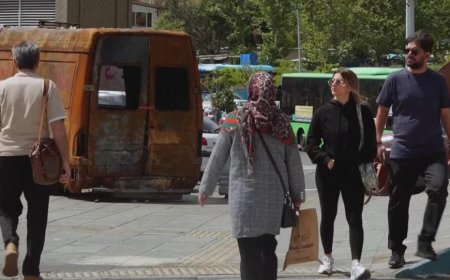
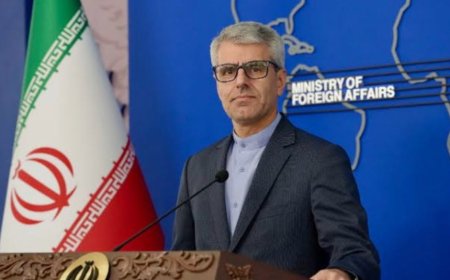
Iranian officials were more cautious. A foreign ministry spokesman said the exact signing date remained uncertain and suggested it would not be tomorrow. Earlier comments from Iran’s foreign minister indicated a deal could end the fighting between Israel and Hezbollah in Lebanon, with nuclear talks to follow.
On his social platform Trump wrote that the deal would be signed the next day, that the Hormuz Strait would immediately reopen, and that "at the appropriate time, when all is calm, we will go in and get the Nuclear Dust," saying it would later be destroyed. He also warned that Washington retained "the ultimate alternative," a fallback he hopes not to use.
The stakes are economic as well as strategic. The Strait of Hormuz is a vital shipping lane for oil and liquefied natural gas, and its closure has rippled through energy markets. US officials have made clear that any economic benefits for Iran would depend on Tehran meeting its obligations under the agreement.
This moment follows months of hostilities. The conflict escalated after strikes on 28 February that prompted Iranian retaliation against Israel and US-allied states in the Gulf and led to an effective closure of Hormuz. Although a ceasefire was agreed in April, exchanges have continued, and previous attempts at a deal have stalled in later stages.
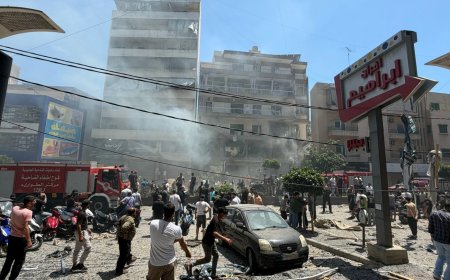
Israel is not a party to the proposed US-Iran arrangement and has continued military action against Hezbollah. On Sunday Israeli jets struck the Dahieh district of Beirut, a Hezbollah stronghold, an attack Israel said was in response to cross-border fire. It is unclear whether such strikes will affect Tehran’s final decision on signing.
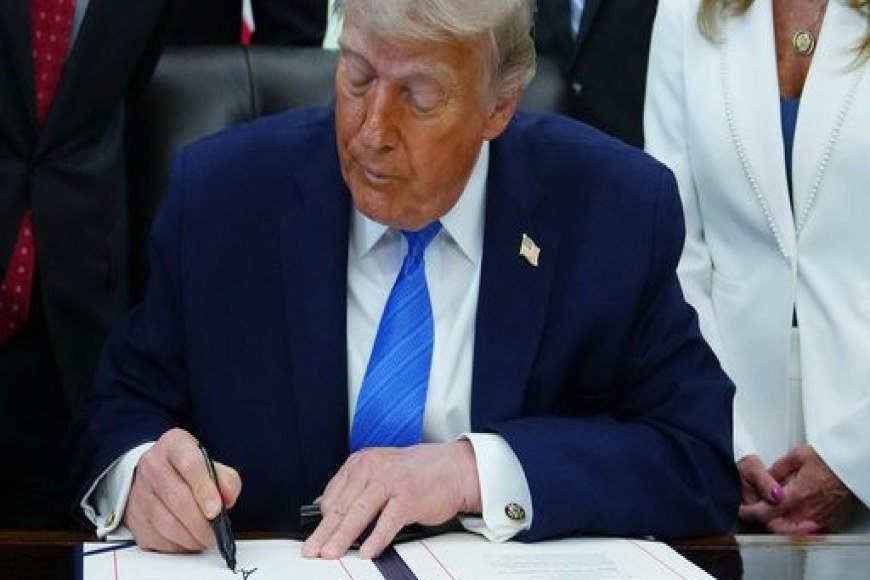
Whether the ink dries Sunday or later, negotiators, traders and shipping captains will be watching. A peace paper can be electronically signed, but reopening a vital waterway and unwinding a regional standoff will take more than a stamp, and likely more patience than anyone planned for.
What's Your Reaction?
 Like
0
Like
0
 Dislike
0
Dislike
0
 Love
0
Love
0
 Funny
0
Funny
0
 Angry
0
Angry
0
 Sad
0
Sad
0
 Wow
0
Wow
0