


















































Trump Floats Letting North American Trade Pact Lapse, and Says 'We Don't Need Their Cars' (Markets, Farmers, and Supply Chains Beg to Differ)
President Trump said he may not renew the USMCA trade pact, rattling $2 trillion in North American trade. Talks continue as farmers, automakers, and diplomats weigh the stakes.
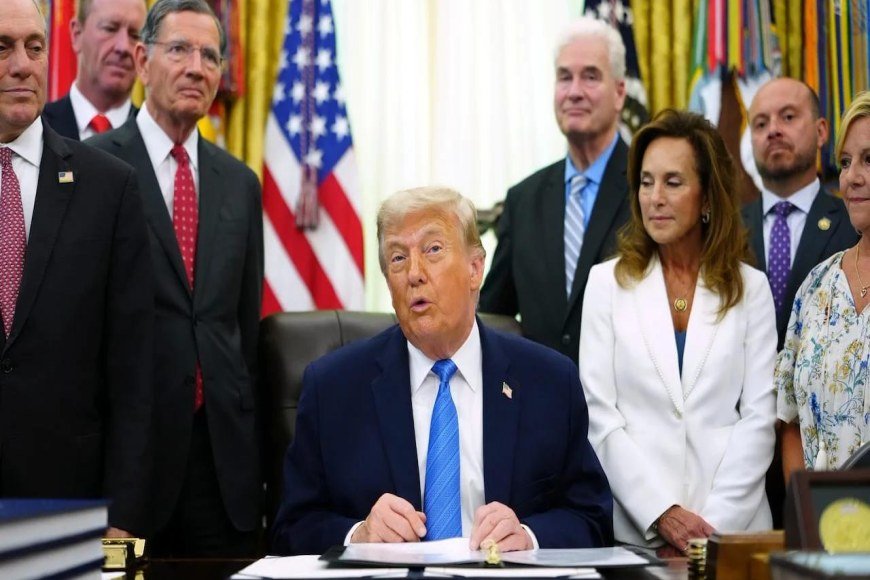
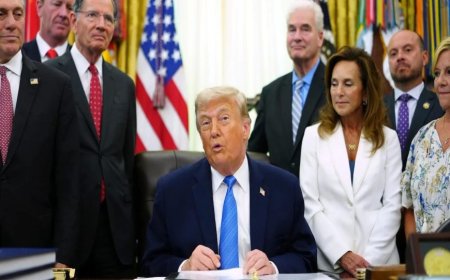
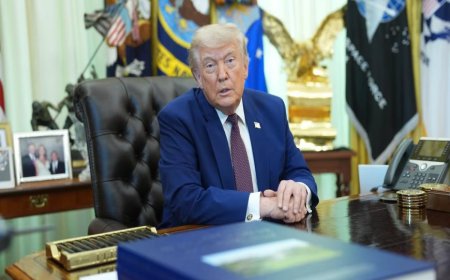
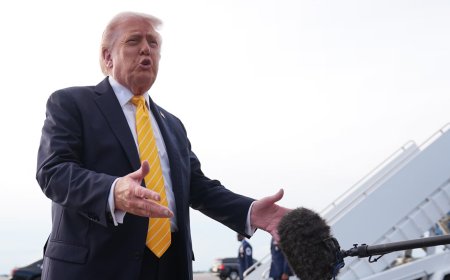
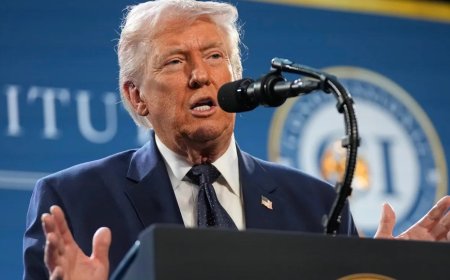
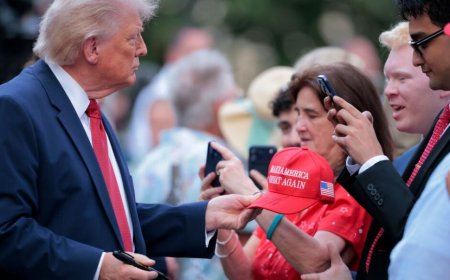
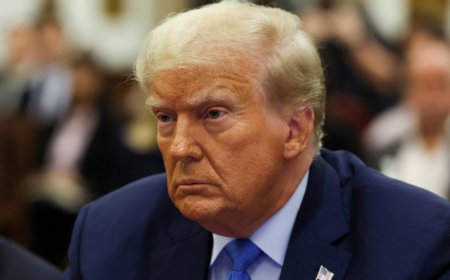
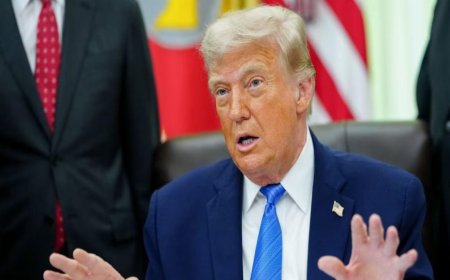
President Trump dropped a diplomatic eyebrow-raiser this week, saying he isn’t sure he’ll renew the three-country trade pact that has knotted American, Canadian, and Mexican economies together for decades. “I don’t know that I’m going to renew it,” he told reporters, then doubled down on a striking line: “We don’t need anything that Canada has, we don’t need anything that Mexico has.”
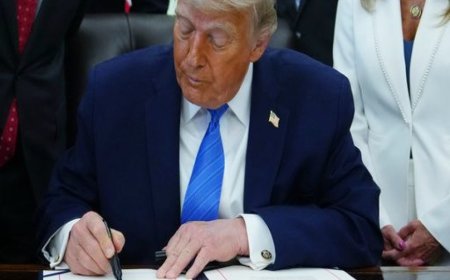
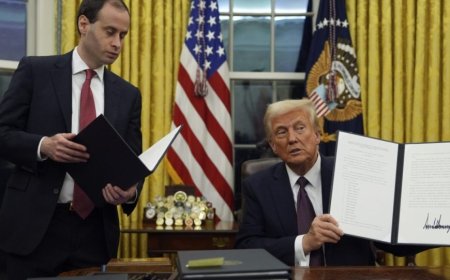
That pact, the United States–Mexico–Canada Agreement, or U.S.M.C.A., underwrites roughly $2 trillion in annual trade and replaced NAFTA. Mr. Trump himself signed it in January 2020 and at the time called it a major achievement. Now, after pointing to growing trade deficits, he’s framing close integration with Canada and Mexico as more of a strategic burden than a benefit.
The comment landed in the middle of already-started renegotiations. The United States Trade Representative, Jamieson Greer, has begun talks with Mexico; Mexican officials are due in Washington next week, and further sessions are planned in Mexico later in July. Canada has been slower to launch parallel talks, though its trade minister visited Washington earlier this month to lay groundwork.
Why all the fuss? Much of North American trade runs tariff-free under U.S.M.C.A. rules, and last year the administration exempted goods covered by the pact from many of its broader tariffs, a relief for manufacturers and importers who’ve seen global tariff lists change on a dime. The U.S. imported more than $900 billion in goods from Canada and Mexico last year, and failing to renew or weakening the deal would ripple through factories and farms.
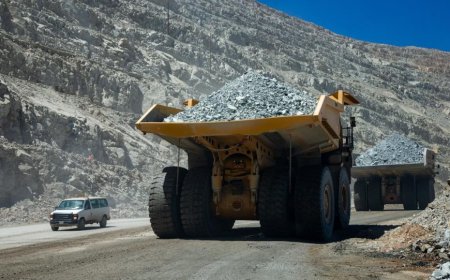
Negotiators are already debating concrete changes: U.S. officials pressed to raise the percentage of a car that must be North American-made to qualify for benefits, and they’re considering extending similar origin rules to other industries. Those adjustments matter a lot to automakers whose supply chains crisscross all three countries.
American farmers are watching nervously. Canada supplied roughly 80 percent of U.S. potash imports, an important fertilizer, and Canada and Mexico together account for about a third of U.S. farm exports. Agricultural groups warn that walking away from the agreement would be a self-inflicted wound at a delicate moment for commodity markets and farm incomes.
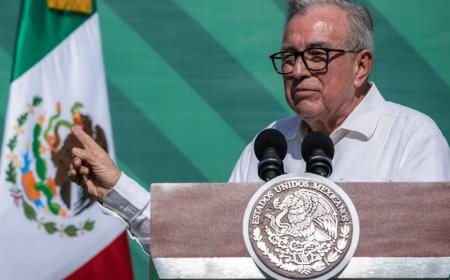
Mexico’s new ambassador to Washington urged a cool head, saying the treaty serves all three countries and North America is stronger with it. The negotiating calendar will keep moving even if the rhetoric spikes: officials on all sides have signaled talks will continue past the formal review date this summer. For now, the drama serves as a reminder that trade deals never stay politely tucked in a file cabinet, they affect what’s on store shelves, what farmers plant, and how factories hum. Closing the deal or not will be a policy choice with a very real price tag.
What's Your Reaction?
 Like
0
Like
0
 Dislike
0
Dislike
0
 Love
0
Love
0
 Funny
0
Funny
0
 Angry
0
Angry
0
 Sad
0
Sad
0
 Wow
0
Wow
0