



































Supreme Court Hears Bid to End TPS for Haitians and Syrians, A Legal Cliffhanger
The Trump administration wants to terminate humanitarian protections known as Temporary Protected Status for hundreds of thousands of migrants from Haiti and Syria.
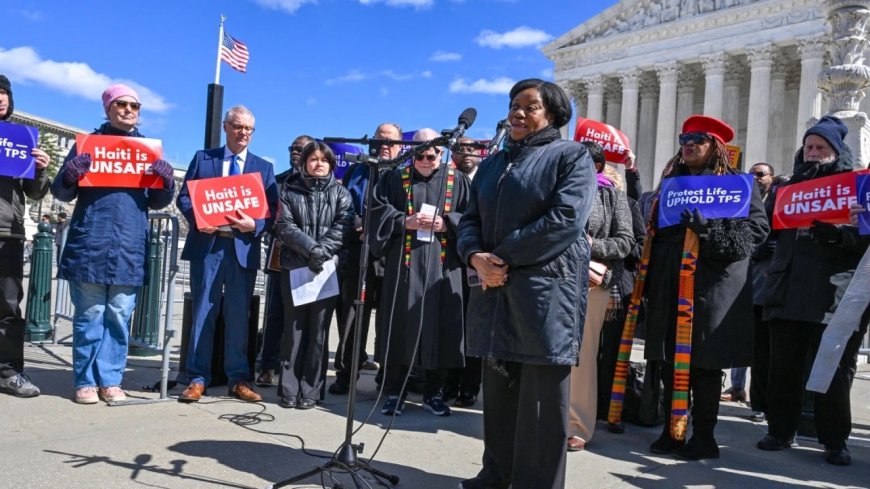
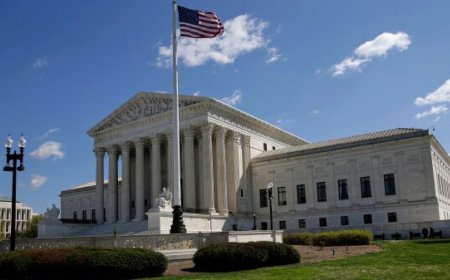
The Supreme Court spent nearly two hours Wednesday doing what it does best when Washington gets theatrical: parsing statutes, debating motives and occasionally sighing in unison. At the center of the drama was a plan from the administration to end Temporary Protected Status, the humanitarian band-aid that has let hundreds of thousands of migrants from troubled countries live and work in the United States.
The cases involve roughly 350,000 people from Haiti and about 6,000 from Syria, and the stakes are anything but hypothetical: a ruling could ripple to other terminations the government has pursued and potentially affect more than a million people. The law at issue is a bipartisan 1990 program that gives the homeland security secretary authority to grant or withdraw temporary refuge to people already here when calamity strikes their home countries.
Liberal justices pressed hard on whether those withdrawals were driven by policy or politics. They pointed to campaign rhetoric and comments about Haitian immigrants that some justices described as relevant to motive. The government’s lawyer pushed back, calling those remarks “unilluminating,” saying they reflected concerns about poverty and crime rather than race, and warned the courts not to get into running foreign policy.
Several conservative justices leaned the other way, treating the statute’s text like an instruction manual that tells judges to keep their hands off. Justice Alito noted that the government’s paperwork had been short, “brief,” in judicial-speak, but suggested the law limits judicial second-guessing. Chief Justice Roberts and Justice Barrett, often the swing voices, asked probing questions on both sides, suggesting the outcome could come down to them.
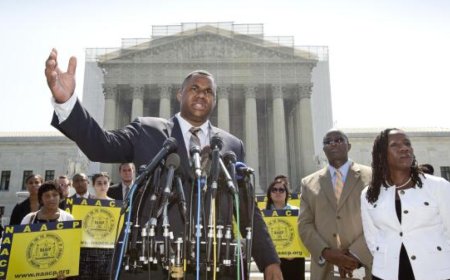
Lower courts already put the terminations on hold, finding that the decisions looked preordained and lacking a meaningful review. Plaintiffs, a class that includes engineers, students, doctors and caregivers, sued, saying the then-homeland security secretary failed to do the consultations and country-condition reviews the statute requires and instead acted on political orders. The government counters that the statute bars judicial review and that continuing protections would be contrary to the national interest.
The justices fast-tracked these cases to land at the end of the term, with a decision expected in late June or early July. If the court orders a redo, the administration could theoretically walk away again after a fresh review, which would make “temporary” feel an awful lot like a seasonal plot twist. Whatever the ruling, it will settle whether a decades-old emergency tool is governed by procedural guardrails or by the political winds, and people are waiting for a verdict that is anything but temporary.
What's Your Reaction?
 Like
0
Like
0
 Dislike
0
Dislike
0
 Love
0
Love
0
 Funny
0
Funny
0
 Angry
0
Angry
0
 Sad
0
Sad
0
 Wow
0
Wow
0