





























































Supreme Court Fast-Tracks Ruling on Louisiana Map, Sending State into Redistricting Mayhem
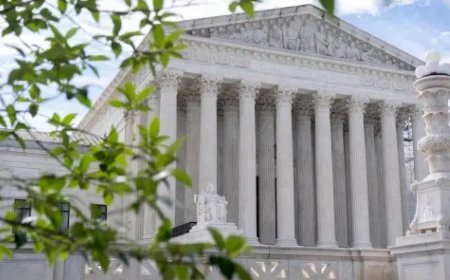
The Supreme Court fast-tracked its order striking down Louisiana’s congressional map, clearing a procedural hurdle as the state scrambles to redraw districts and pause primaries.
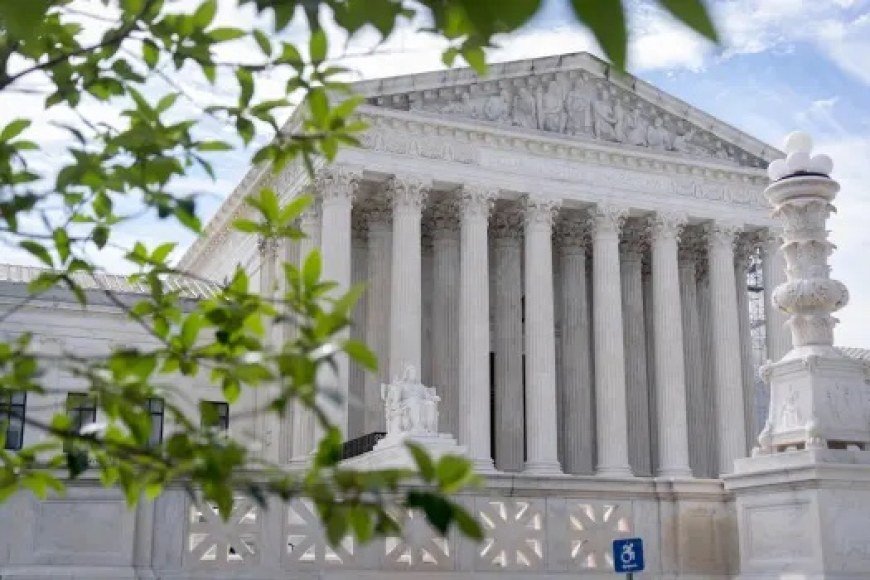
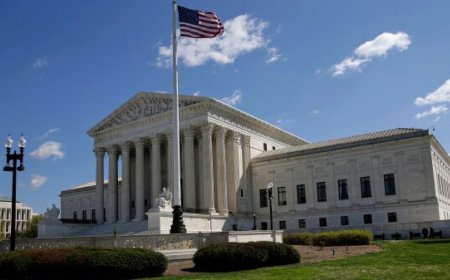
The Supreme Court on Monday evening quietly pressed fast-forward: it agreed to transmit immediately to lower courts its opinion striking down Louisiana’s congressional map, instead of waiting the routine 32 days. That procedural shortcut clears one paperwork hurdle in a frantic push to redraw districts before upcoming primaries.
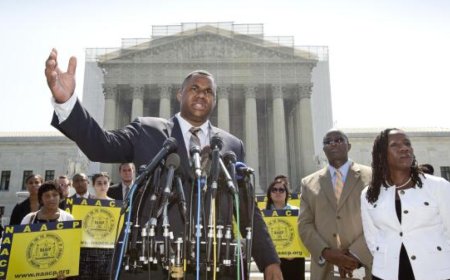
Last week’s ruling found that Louisiana’s map, which created a second majority-Black district, was an unconstitutional racial gerrymander, a decision that further narrowed the protections courts have been applying under the Voting Rights Act. The decision has set off a scramble in Louisiana and a ripple of political triage across the South.
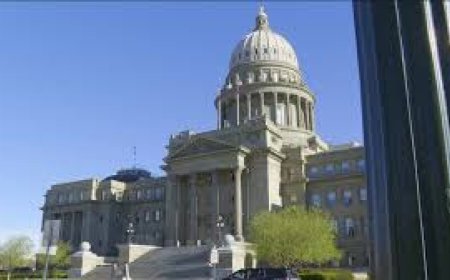
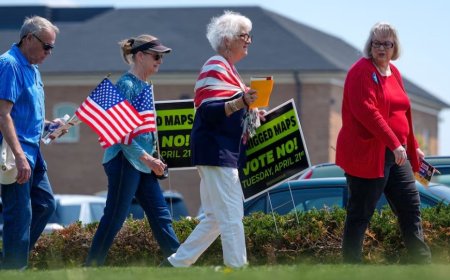
Gov. Jeff Landry delayed a scheduled House primary even as early voting for other races was due to begin, calling legislators back so they can try to redraw maps immediately. Republicans who control the Legislature are widely expected to press plans that could eliminate at least one of the state’s two majority-Black districts. Early voting on unrelated races and a contentious Senate primary went forward while the map drama unfolded.
A group of white voters who challenged the map had asked the court to speed up the transmission of its opinion, reasoning that getting the paperwork back to lower courts faster would make rapid redistricting easier. The court’s unsigned, one-paragraph order noted that the clerk “ordinarily” waits 32 days to give a losing party time to seek reconsideration, an exceptionally rare step, but agreed to send the opinion now. State officials who defended the map did not oppose the request; a group of Black intervenors opposed the rush but had not signaled they would ask for rehearing within the 32-day window.
Justice Ketanji Brown Jackson, in a sharp dissent, warned that the decision to overturn the map had already “spawned chaos” and criticized the expedited transmittal as effectively green-lighting Louisiana’s pause of an ongoing election so lawmakers could pass a new map. On the other side, Justice Samuel Alito, joined by Justices Clarence Thomas and Neil Gorsuch, answered that requiring elections to go forward under a map the court found unconstitutional would be untenable, calling the criticism “groundless and utterly irresponsible.”
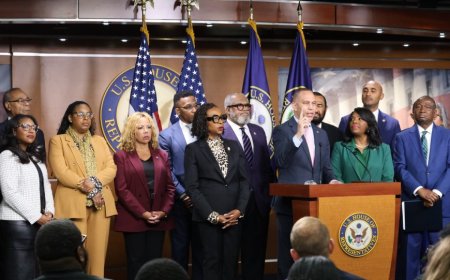
The case, Louisiana v. Callais, comes after the court’s April ruling that substantially limited a major element of the Voting Rights Act, making it harder for lawmakers to draw majority-minority districts. That ruling and the current decision have provoked quick legislative responses: Alabama convened a special session aimed at delaying primaries so it can consider new maps, and Tennessee’s Republican supermajority plans a session expected to produce a map that would eliminate its lone majority-Black district.
For now, the Supreme Court’s procedural nudge has simply shifted the shuffle downstairs. Lawmakers race to redraw lines, voters face uncertainty about which ballots will count for which districts, and the lower courts will have to decide how fast the redo can legally proceed. In other words: the justices hit the fast-forward button on a map, and Louisiana hit pause on the usual election calendar, which is exactly the kind of bureaucratic slapstick that looks orderly only when you’re not the one holding the pencil.
What's Your Reaction?
 Like
0
Like
0
 Dislike
0
Dislike
0
 Love
0
Love
0
 Funny
0
Funny
0
 Angry
0
Angry
0
 Sad
0
Sad
0
 Wow
0
Wow
0