

























































Supreme Court Erodes Section 2, Turning Redistricting Into a Courtroom Soap Opera
The Supreme Court’s 6-3 ruling narrows Section 2 of the Voting Rights Act, limiting one of the main tools against racially discriminatory maps and throwing midterm redistricting into uncertainty, while oil spikes above $126 a barrel amid geopolitical tensions.
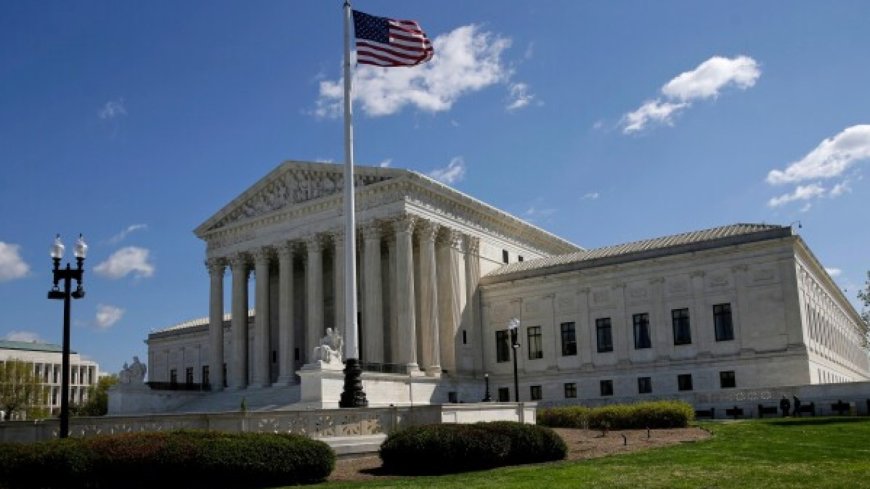
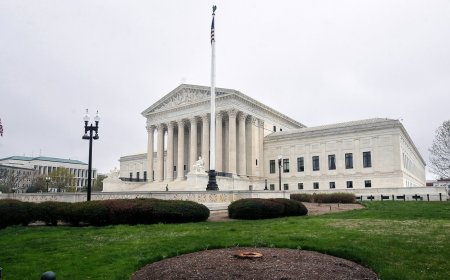
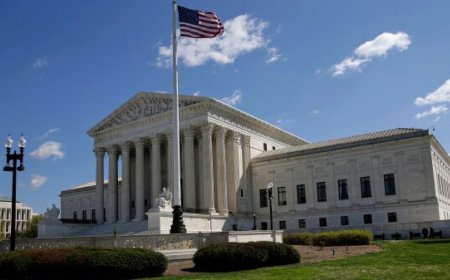
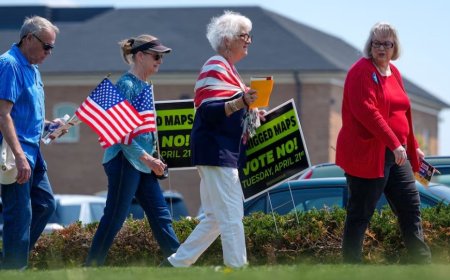
The Supreme Court handed down a decision that will feel like a season finale to anyone who follows redistricting drama: in a 6-3 partisan split, justices narrowed a key tool of the 1965 Voting Rights Act, Section 2, while ruling on Louisiana’s congressional map. Samuel Alito wrote for the majority and made clear that Section 2 does not require states to draw majority‑minority districts, even as the court found problems with Louisiana’s map under the equal protection clause.
Section 2 has been the go‑to remedy for challengers who say redistricting produced racially discriminatory results. With this decision, the biggest, most commonly used lever to push back against maps that dilute minority voting power has been dramatically constrained. Think less surgical fix, more blunt instrument removed from the toolkit.
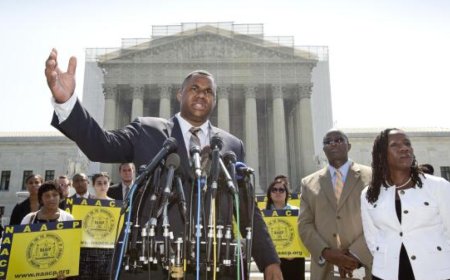
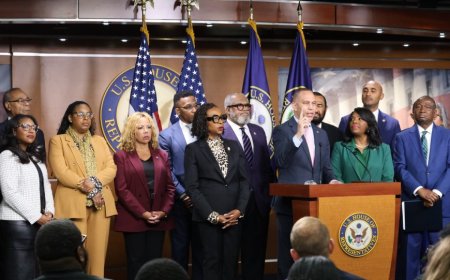
Members of Congress whose districts now look shakier were quick to react. Representatives such as Terri Sewell and Shomari Figures warned the ruling could roll back hard-won gains and put minority representation at risk. The political consequence is immediate: maps that looked stable yesterday suddenly face a very uncertain midterm future.
Some legal observers and civil‑rights advocates view this move as the latest chapter in a longer judicial shift steered by Chief Justice John Roberts and Justice Alito to narrow civil‑rights protections. Whether you call it legal evolution or judicial overhaul depends on your view of the bench’s recent trajectory; either way, the practical result is a higher hurdle for voters and advocates trying to challenge racially discriminatory maps.
Practically speaking, the ruling leaves precious little time to redraw lines before the midterms. Mapmakers in both parties now have to decide whether to race against the clock, litigate even harder, or try to design districts with fewer obvious racial markers, which may mean even more political chaos and last‑minute court filings.
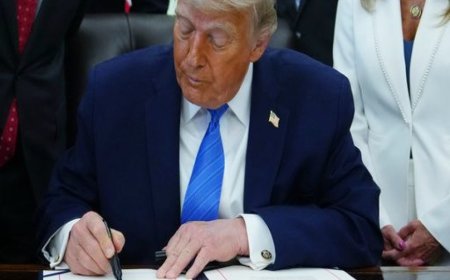
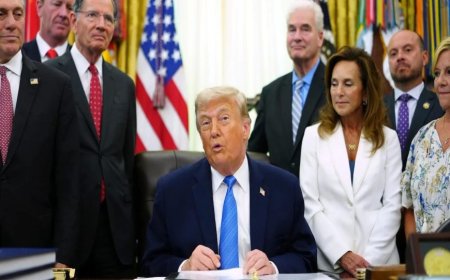
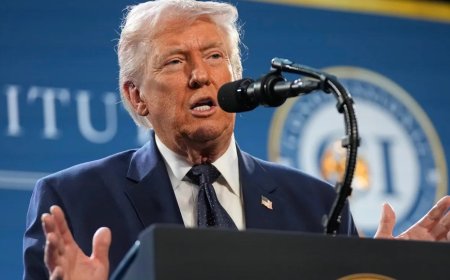
If you need proof that the news gods love to multitask, markets chimed in: Brent crude jumped more than 13% in 24 hours to top $126 a barrel, its highest since 2022. The surge followed comments from Donald Trump about a possible months‑long blockade of Iranian ports, a reminder that courtroom shocks and geopolitical shocks tend to arrive at the same inconvenient time.
The bottom line: the high court’s ruling rewrites how discrimination claims in voting will be handled, hands map drawers a new rulebook, and hands the rest of us a tense countdown to the next round of redistricting fights. Courtroom drama has a new plot twist, now everyone else has to improvise without the prop they’ve relied on for decades.
What's Your Reaction?
 Like
0
Like
0
 Dislike
0
Dislike
0
 Love
0
Love
0
 Funny
0
Funny
0
 Angry
0
Angry
0
 Sad
0
Sad
0
 Wow
0
Wow
0