































Starmer’s £5. 2bn Switzerland Deal: E-gates for Brits, No Roaming and Easier Business
A £5. 2bn trade deal with Switzerland will let British nationals use e-gates, end roaming charges, and ease business travel with 90-day visa-free visits for professionals, while preserving pharmaceutical patent protections and aiming to boost UK services exports.
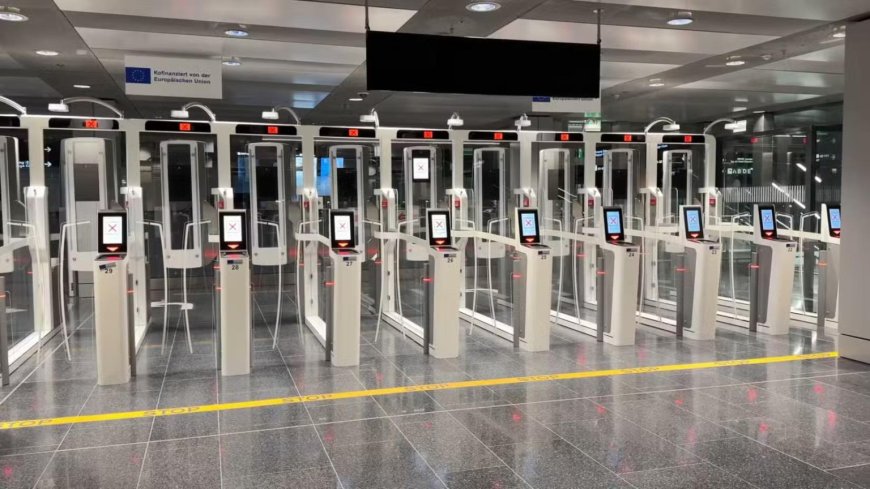
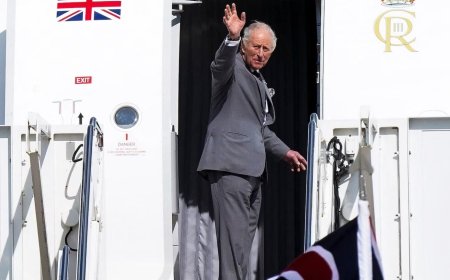
British travellers should find airports and border crossings in Switzerland noticeably less annoying after a new £5. 2bn trade deal was sealed. The agreement, likely to be one of Keir Starmer’s last big international moves as prime minister, promises shorter passport queues, cheaper phone bills and smoother business travel.
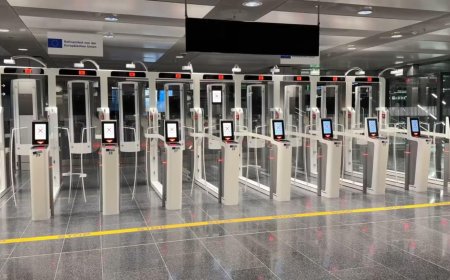
The e-gate rollout starts with exit checks at Zurich airport later this year, with Basel and Geneva to follow next year. That should please bankers rushing to meetings and skiers trying to make the last cable car, both of whom have long memories for slow queues and bad coffee.
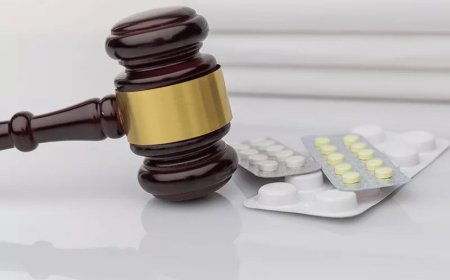
Roaming charges between the UK and Switzerland will be scrapped under the deal, a small but tangible win for anyone who has panicked at a data bill. The agreement also covers continued trade terms for medicines, cars, art, jewellery, photographic materials and other goods, while keeping pharmaceutical patent protections in place.
The Department for Business and Trade says the package could unlock around £5. 2bn a year in additional UK services exports to Switzerland over the long run. Switzerland is already the UK’s sixth biggest market for services, worth roughly £30bn a year, concentrated mainly in finance and professional services. Starmer described the deal as the "sixth landmark agreement" in his two years as prime minister, following earlier deals with the US, India, South Korea and the Gulf states.
Business travel will get a practical boost: UK services professionals can visit Switzerland visa-free for up to 90 days a year, and companies can bring personnel in for short contracts without the usual sponsor paperwork. Longer-term postings will still need the formal visa route.
The deal won praise from business groups. Rain Newton-Smith of the CBI said it recognised "real opportunities for growth" in services, which she called the UK’s "super power." The City of London Corporation welcomed the reduced friction at the border and called the agreement "gold standard." On intellectual property, both sides pledged to keep a strong and proportionate regime, a point underlined by Richard Torbett of the Association of the British Pharmaceutical Industry.
Medicines UK, representing most suppliers to the NHS, said keeping current patent protections helps safeguard access to affordable generics while maintaining supply arrangements. In short, the deal tries to balance opening doors for trade and travel with protecting long-standing legal safeguards.
Fewer passport queues, cheaper roaming and easier access for services firms, this pact is the kind of tidy win that travelers notice in their day and exporters notice on their invoices. Consider it a small but useful shove toward smoother Swiss trips and more business ringing in British tills.
What's Your Reaction?
 Like
0
Like
0
 Dislike
0
Dislike
0
 Love
0
Love
0
 Funny
0
Funny
0
 Angry
0
Angry
0
 Sad
0
Sad
0
 Wow
0
Wow
0