

















































Skinny Labels, Fat Lawsuits: How a Vascepa Case Could Slow Generic Savings
The justices are set to hear Hikma v. Amarin, a battle over drug patents that could raise costs for patients and change the way generic companies do business.
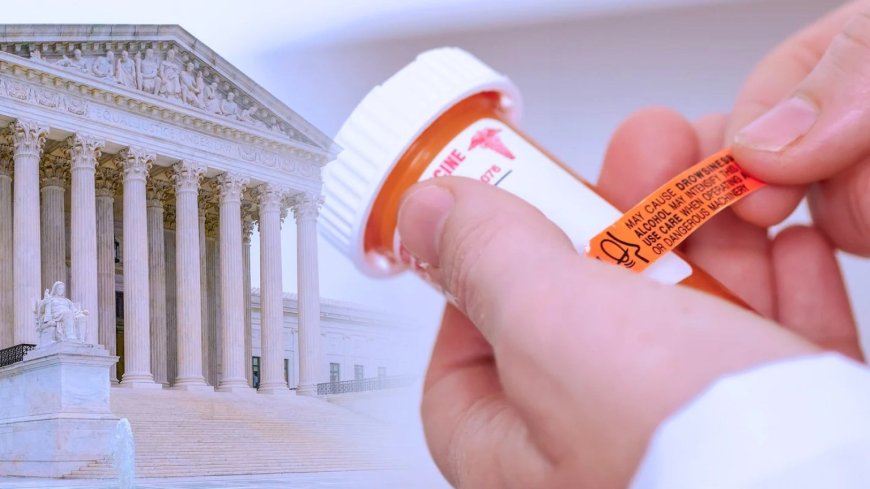
Think of skinny labeling as a software patch for prescription drugs: it fixes the slow-release problem by letting cheaper generics ship sooner, and then promptly creates three new bugs involving patents, marketing and lawsuits.
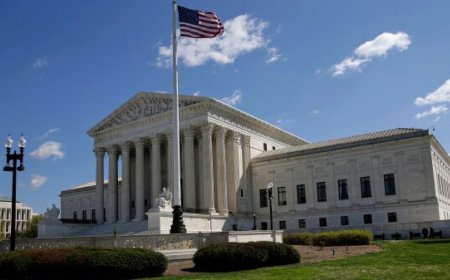
The case in front of the Supreme Court, Hikma v. Amarin, puts that workaround under the microscope. Amarin makes Vascepa, a fish-oil–based drug used for people at different levels of heart-disease risk. When patents covering the high-risk use expired, generic maker Hikma used a skinny label to sell a cheaper version approved only for the unpatented use. That shortcut is legal under current FDA practice, and it’s how many copycats get to market faster.
Amarin didn’t shrug and move on. It sued, saying Hikma’s marketing nudged doctors to prescribe the generic for the still-patented high-risk patients. A federal appeals court sided with Amarin, but the case landed at the Supreme Court because the legal stakes, and the potential market effects, are big.
Skinny labeling isn’t rare. More than two dozen generics have taken that route in the last decade, and it has real-dollar effects: one study found the shortcut helped save Medicare nearly $15 billion from 2015 to 2021. The Crestor example is striking: skinny labeling nudged cheaper competition into stores six years earlier than some patents would have allowed, producing roughly $8 billion in savings in a single year, according to the generic industry.
If the Court backs Amarin, generic firms could face much higher legal risk for skinny labels. That likely means they’ll pick safer, slower, routes to market, waiting for all patents to expire. University of Alabama law professor Sean Tu warns that would stretch brand monopolies, keep prices high longer, and reduce patient access.
Not everyone sees a catastrophe. Some legal scholars think the skinny-label pathway is valuable enough that companies will find ways to use it even if the risk increases, and brand-drug makers counter that too much permissiveness could blunt incentives to develop new uses for existing medicines. In short: a win for generics keeps savings flowing sooner; a win for brands could protect the business case for future research.
Which way will the Court swing? A few signals favor the generics, the former administration’s solicitor general filed a brief defending skinny labels, the Court often reverses lower courts, and recent patent decisions suggest justices are wary of broad inducement theories. But uncertainty is the name of this game. Whatever the outcome, the ruling will determine whether a handy regulatory patch continues to speed low-cost drugs into pharmacies, or whether it gets boxed up and shelved, leaving patients to pay the bill. In other words: this fish-oil fight might be about patents, but your wallet is the likely casualty.
What's Your Reaction?
 Like
0
Like
0
 Dislike
0
Dislike
0
 Love
0
Love
0
 Funny
0
Funny
0
 Angry
0
Angry
0
 Sad
0
Sad
0
 Wow
0
Wow
0