






















































Six-Justice Ruling Makes Section 2 Less Enforceable, Majority-Black Districts Now at Risk
This live blog is now closed.Sign up for the Breaking News US emailUS supreme court ‘demolishes’ key Voting Rights Act provision that prevented racial discriminationThe US Federal Reserve is widely expected to hold interest rates steady on Wednesday after a key policy meeting, likely the last chaire
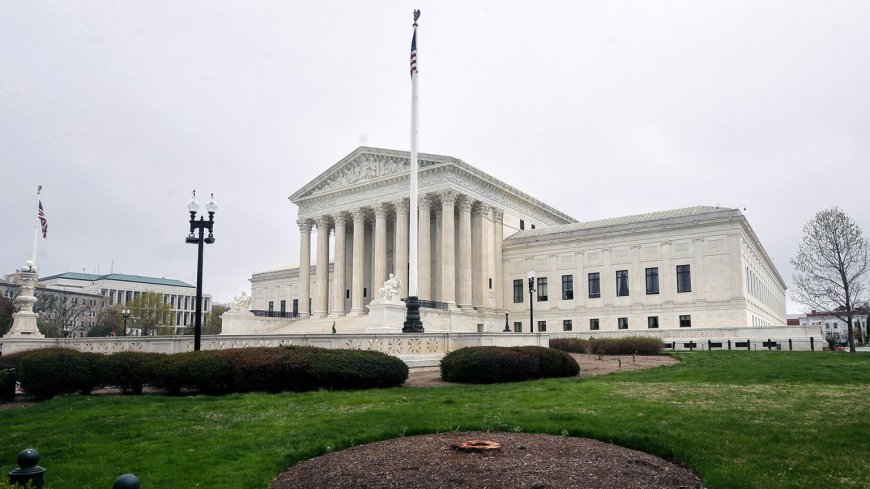
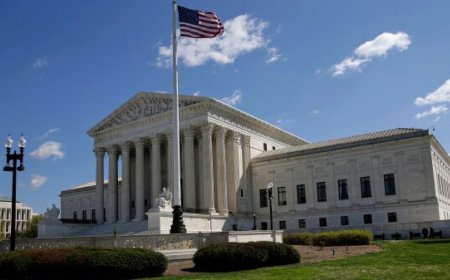
In a decision that felt like a stage play where the props were voting maps and the script was precedent, the Supreme Court’s conservative majority curtailed a central tool of the Voting Rights Act. In Louisiana v. Callais, six justices ruled against a majority-Black congressional district in Louisiana, sharply narrowing the practical reach of Section 2, the provision long used to challenge racial discrimination in redistricting.
The majority concluded that race played too large a role in how the district was drawn and said that using Section 2 to justify race-conscious maps is out of bounds. Dissenters warned this isn’t fiddling at the edges: they described the ruling as effectively dismantling a key enforcement mechanism that kept minority voters from being systematically diluted in district maps.
What happens next is predictable and infuriating: the ruling hands state legislatures and mapmakers more legal room to redraw lines in ways that can weaken Black and other minority voting power, all while claiming they’re chasing partisan goals, not racial ones. That distinction is central because party and race often overlap in many parts of the country, especially in the South.
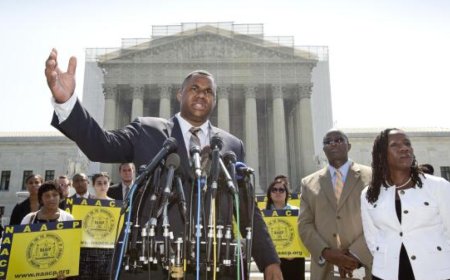
Politicians and civil-rights groups responded with unsurprising fury. The NAACP and voting-rights lawyers called the decision a devastating setback. Former President Barack Obama warned it guts a pillar of the Voting Rights Act and frees state legislatures to entrench maps that can systematically weaken minority voting strength. Louisiana civil-rights lawyers and local officials said the state’s two majority-Black districts are now on shaky ground.
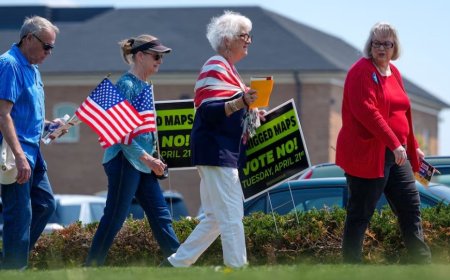
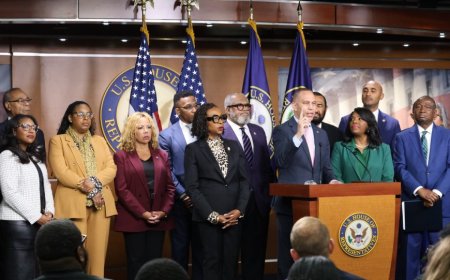
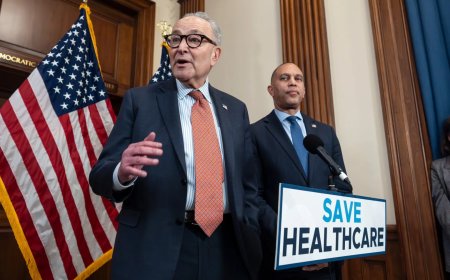
Capitol Hill didn’t hold back either. Congressional leaders from across the Democratic side called the ruling corrosive to democracy, accusing the court of giving map-drawers a new advantage. Voting-rights activists framed the decision as a call to action, urging massive turnout and renewed organizing to blunt the ruling’s practical effects at the ballot box.
If you were waiting for immediate map-making consequences, look no further than Florida: lawmakers there approved a new congressional map designed to maximize Republican seats, a plan announced days after the ruling and one that could shift the state’s delegation from 20–8 to about 24–4 in Republicans’ favor. Challenges are likely, state constitutions and courts still matter, but the Supreme Court’s new posture makes legal fights harder.
So here’s the courtroom-drama punchline: judges have tightened what counts as a lawful use of race in redistricting, and politicians who want more seats just got a clearer playbook. The fix, for those who see this as a problem, is political, turnout, lawsuits, and legislation. If democracy had a blueprint, today’s ruling removed one of the load-bearing supports; the answer will be written at the ballot box and in the next round of courts and legislatures.
What's Your Reaction?
 Like
0
Like
0
 Dislike
0
Dislike
0
 Love
0
Love
0
 Funny
0
Funny
0
 Angry
0
Angry
0
 Sad
0
Sad
0
 Wow
0
Wow
0