






























Sinaloa’s 'Open Secret' Goes Public: U.S. Indictment Ties Governor to Los Chapitos
A U.S. indictment accuses Sinaloa’s governor and other officials of colluding with Los Chapitos. Residents say it simply puts into formal language a long-running 'open secret' amid continuing violence and disappearances.
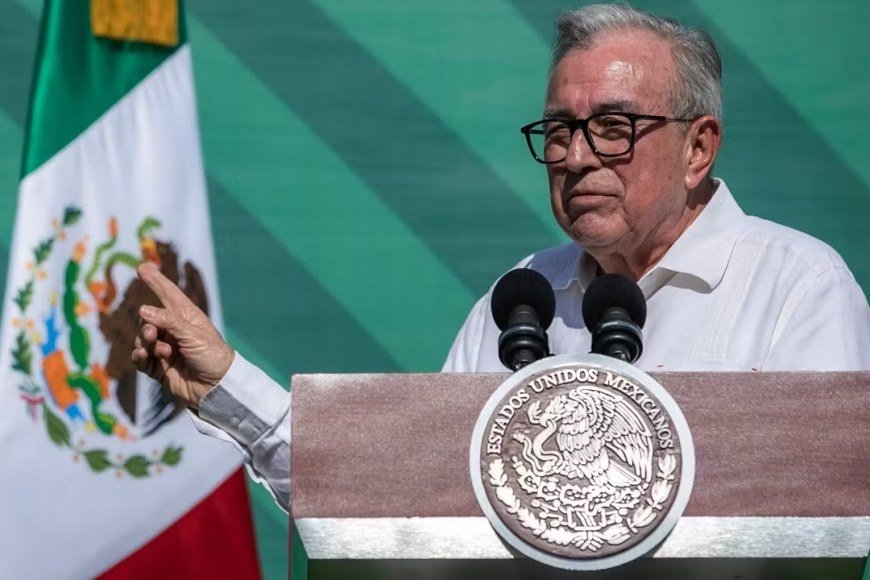
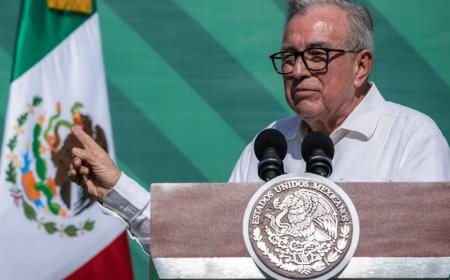
A U.S. indictment accusing Sinaloa’s governor, Rubén Rocha Moya, and nine other officials of helping a dominant cartel move massive amounts of drugs into the United States landed in Mexico like a long-overdue audit: inevitable, awkward, and accompanied by a lot of murmuring that amounts to, "Told you so."
On paper the case is explosive, prosecutors say the governor and allies took bribes from a faction of the Sinaloa cartel known as Los Chapitos, installed friendly officials and helped the cartel operate with impunity. In practice, in Culiacán it mostly confirmed what many residents already treated as an open secret. People who live with cartel violence every day describe the indictment as a formal acknowledgment of a reality they’ve been living with: political power and organized crime often move in the same circles.
The federal charges name not just the governor but the mayor of Culiacán, the state’s deputy attorney general and former top law enforcement figures. Prosecutors allege a meeting in which two of Joaquín "El Chapo" Guzmán’s sons promised to help secure the governor’s electoral victory, and that cartel operatives later influenced the race by stealing ballots, abducting rivals and pressuring candidates to drop out. Those are the sort of details that turn suspicions into accusations on an international stage.
Rocha has denied wrongdoing and framed the indictment as an attack on Mexico’s sovereignty and on the governing left. He sought to appear unfazed, projecting calm even as the charges strained relations with the United States and rattled national politics. Meanwhile, residents and local leaders voiced a harsher verdict: if officials who are supposed to stop the violence were cooperating with the groups inflicting it, the promise of protection feels hollow.
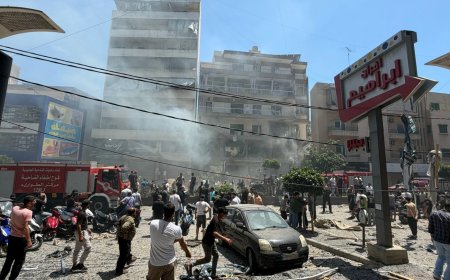
The human toll that provides context for these legal fireworks is grim and immediate. Over roughly the past 20 months more than 3,600 people have gone missing in Sinaloa and more than 3,000 have been killed. Life in many parts of the state has been shaped by shuttered shops, empty streets and self-imposed curfews. On the same day the indictment broke, a local labor leader and his bodyguard were found shot dead; that day also saw seven additional killings and the discovery of two unidentified victims. For many here, the charges aren’t a detached political scandal, they are connected to disappearances, kidnappings and real fear.
Local journalists, businesspeople and politicians described the indictment as confirmation of a deeper rot: a system in which criminal groups flourish only with the cooperation or passivity of officials. Some expressed cautious hope that an external legal move might weaken those ties; others stressed that true accountability requires domestic institutions willing and able to act, not just foreign prosecutors filing charges.
For Sinaloans, the moment is both vindicating and bitter. Victims and critics welcomed the spotlight but also noted the irony that the accusations came from outside Mexico, rather than from authorities inside the state. If anything is clear, it’s that this is not a sudden revelation but a reckoning that was overdue, and that in Sinaloa even justice moves in slow, complicated ways. If the indictment is a first step, people here will be watching closely; they’ve had plenty of practice waiting for promises to be kept and for power to stop serving the people who prey on them.
What's Your Reaction?
 Like
0
Like
0
 Dislike
0
Dislike
0
 Love
0
Love
0
 Funny
0
Funny
0
 Angry
0
Angry
0
 Sad
0
Sad
0
 Wow
0
Wow
0