











































Ships Stuck, Missiles in the Air: Hormuz Tensions Spike After 'Project Freedom' Launch
Project Freedom’s launch has left 800+ ships stranded in the Strait of Hormuz amid exchanges of attacks and denials, a U.S. threat to Iran, and doubts about safe transit.
The Monday launch of “Project Freedom” in the Strait of Hormuz promised to reopen a vital shipping lane, and promptly turned the neighborhood into a geopolitical traffic jam. More than 800 vessels and roughly 20,000 crew members remain trapped in the region, waiting for a route that may or may not be safe enough to sail.
U.S. forces reported they had destroyed six small Iranian boats and intercepted Iranian cruise missiles and drones shortly after the operation began. Iran denied those claims, which left everyone involved treating the situation like a badly synced group text: noisy, urgent, and full of contradictory updates.
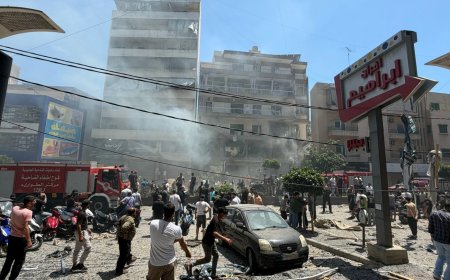
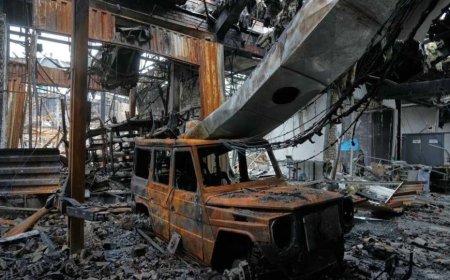
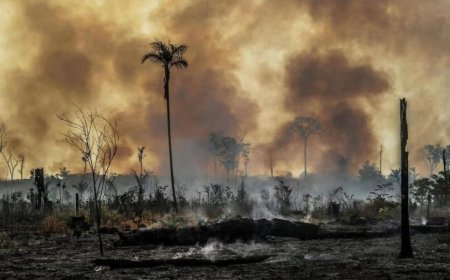
Violence did land nearby. Iran launched drones and missiles at the United Arab Emirates, and the oil port of Fujairah was set on fire, a reminder that this is not a diplomatic debate with hors d’oeuvres, but real military escalation with real consequences.
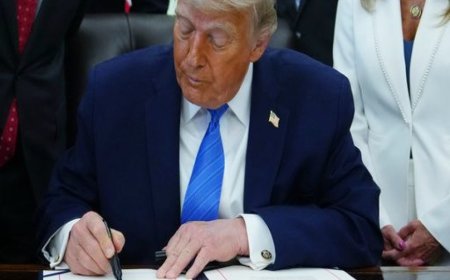
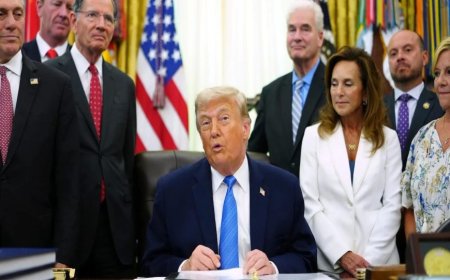
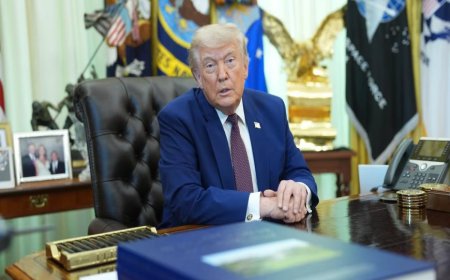
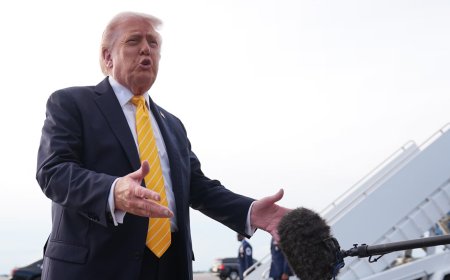
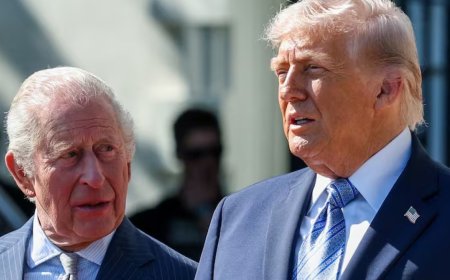
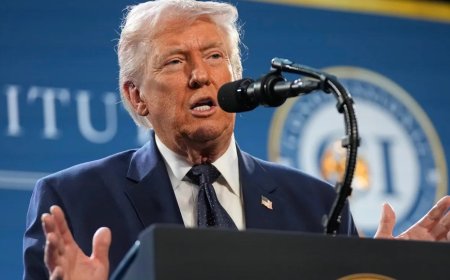
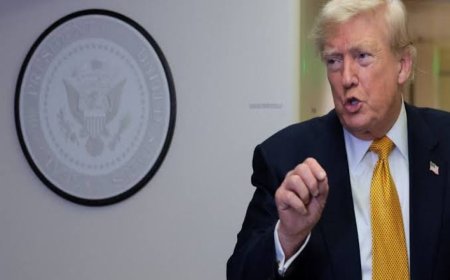
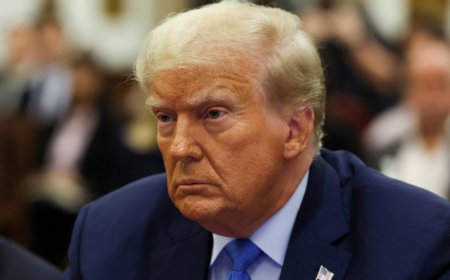
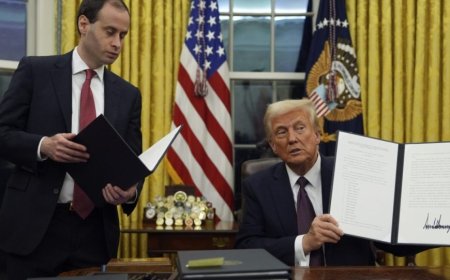
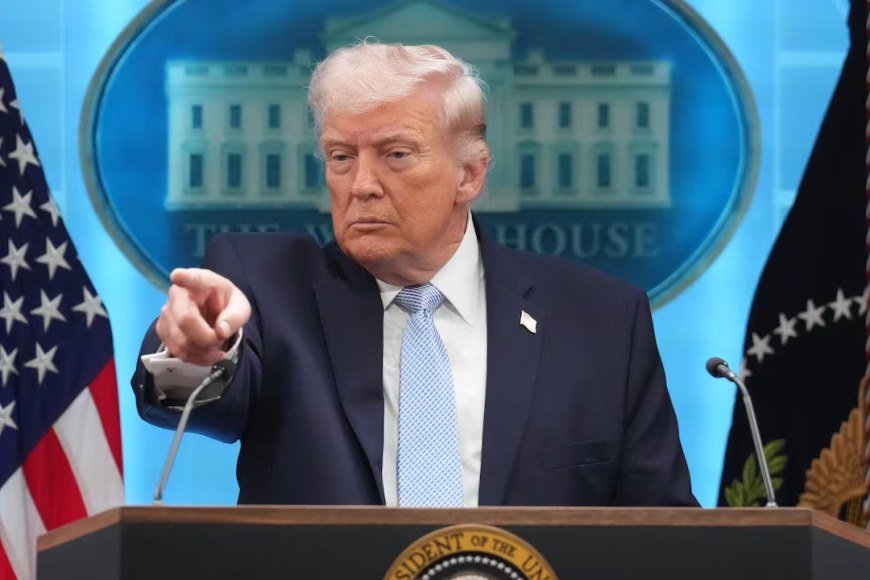
President Trump then issued an extraordinary warning: he said Iran would be “blown off the face of the earth” if it attacked any U.S. vessels in the strait. Blunt rhetoric like that serves as a high-volume punctuation mark in a crisis, loud, risky, and not exactly soothing to captains wondering whether to hoist anchor.
Has anyone actually gotten through? U.S. Central Command said two U.S.-flagged merchant ships had “successfully transited” the strait, a claim Iran disputed. Shipping giant Maersk later confirmed that the Alliance Fairfax, a U.S.-flagged vehicle carrier, left the Gulf. Still, industry analysts remain skeptical that under the current plan vessels can move to and from the Gulf with confidence.
So here we are: an operation intended to restore traffic has produced a tangle of military claims, denials, explosions and cautious captains. Until calmer diplomacy replaces the fireworks, ships will stay stranded, crews will keep waiting, and the Strait of Hormuz will continue to show that narrow waterways make for wide geopolitical headaches.
What's Your Reaction?
 Like
0
Like
0
 Dislike
0
Dislike
0
 Love
0
Love
0
 Funny
0
Funny
0
 Angry
0
Angry
0
 Sad
0
Sad
0
 Wow
0
Wow
0