


































Shipping Sacred Silk: How Epstein Used Modern Logistics to Turn an Island 'Mosque' Into a PR Nightmare
Jeffrey Epstein’s messages cast light on an unusual building on his private island and show how his connections helped him secure tapestries from Mecca for it.
Modern technology and global logistics solved a problem no one had really thought to solve: how to move priceless religious textiles from Islam’s holiest site to a private Caribbean island. The result was a blue-and-white-striped pavilion on Little Saint James that Jeffrey Epstein regularly called his “mosque”, a construction project that neatly tied together taste, money, and some very awkward optics.
Documents show Epstein acquired embroidered tapestries that had once adorned the Kaaba in Mecca, tiles from a mosque in Uzbekistan, and a golden dome modeled on a 15th-century Syrian bathhouse. Shipping manifests, emails and photographs trace the path: royal workshops in Mecca, consultants in Saudi circles, customs brokers, and ultimately a crate or two headed for a private island.
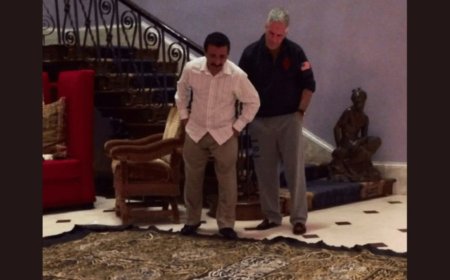
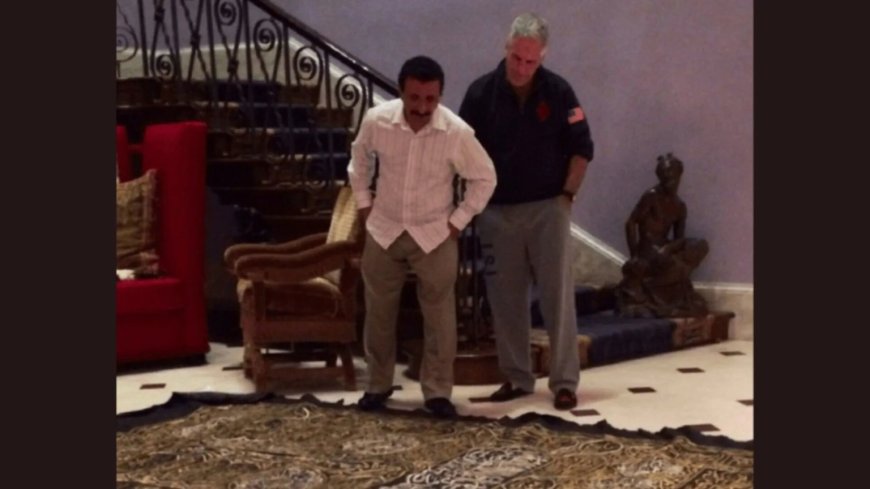
The building itself was a study in contradictions. Epstein, a secular Jew, asked designers for mosque-like interiors, even suggesting replacing the Arabic word for God with his own initials. An artist who worked on the project confirmed Epstein regularly referred to the structure as his “mosque.” A 2014 photo shows Epstein and a prominent Emirati executive examining one of the tapestries on the floor of his New York home, a tableau that aged badly for anyone linked to him.
The acquisition route reads like a primer in modern influence: a Norwegian diplomat introduced Epstein to Saudi intermediaries; Epstein tried to position himself as an adviser to Prince Mohammed bin Salman; he pitched grand financial ideas, and emails and meetings followed. At a practical level, that network translated into shipments. A customs broker logged “receiving 3 pieces from the Kaaba,” and pictures in the files show embroidered textiles described as coming from inside and covering the outside of the shrine.
Those aren’t small souvenirs. The Kiswa, the annual covering of the Kaaba, is made in a royal Meccan workshop at great expense, roughly a $5 million operation using about 1,500 pounds of silk and 250 pounds of gold and silver thread. An aide for one intermediary emailed that a black piece had been touched by “minimum 10 million Muslims,” carrying prayers and tears. How exactly those specific pieces were released and routed abroad is not entirely clear from the records.
Logistics solved the transcontinental puzzle, but did not solve the consequences. Hurricane Maria in 2017 damaged some items. Political storms followed: Epstein’s flirtation with Saudi money coincided with Mohammed bin Salman’s rise, and later the Khashoggi murder cast a long shadow over anyone doing business with the kingdom. Meanwhile, scrutiny of Epstein’s earlier legal deals intensified, a Miami Herald investigation reopened public debate over his 2008 plea bargain, he was arrested again in 2019, transferred island ownership to a trust, and was found dead in a Manhattan jail cell weeks later.
So here’s the modern paradox: emails, private jets and customs paperwork made it technically trivial to move sacred fabrics across the globe. They solved the logistical problem neatly, and in the process delivered a trio of headaches nobody could ship away: moral questions, legal entanglements and an unforgettable PR disaster. Technology got the tapestries there; it couldn’t sew up the consequences.
What's Your Reaction?
 Like
0
Like
0
 Dislike
0
Dislike
0
 Love
0
Love
0
 Funny
0
Funny
0
 Angry
0
Angry
0
 Sad
0
Sad
0
 Wow
0
Wow
0