


























Seoul Court: Yoon Guilty of Obstruction in Martial Law Plot, Receives 7‑Year Prison Term
An appeals court sentenced ousted President Yoon Suk Yeol to 7 years in prison for resisting arrest and bypassing a Cabinet meeting before his brief imposition of martial law in December 2024.
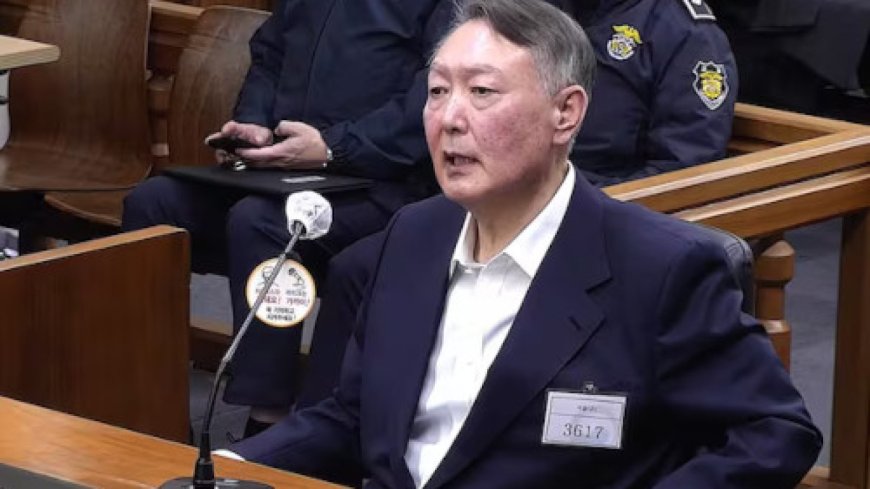
An appeals court in Seoul handed former President Yoon Suk Yeol a seven‑year prison sentence Wednesday for obstructing arrest and sidestepping a full Cabinet meeting before briefly declaring martial law on Dec. 3, 2024. The new sentence lands on top of a life term he is already facing in a separate rebellion case.
Judge Yoon Sung‑sik concluded that the ousted leader convened only a handful of loyalists to mimic a formal Cabinet meeting, falsified paperwork to cover the gap, and used presidential security forces in a way the judge likened to deploying a "private army" to block investigators. Yoon stood quietly in court and offered no comment as the verdict was read.
The legal choreography has been messy. A lower court in January gave him five years and cleared him of some abuse‑of‑power accusations tied to the Cabinet meeting. The Seoul High Court disagreed, reversing that partial acquittal and finding he infringed on the rights of two ministers who were invited but absent, plus seven other cabinet members who were never notified.
Yoon’s defense called the ruling disappointing and said they will appeal to the Supreme Court. Yoon has also lodged an appeal against his separate life sentence. The back‑and‑forth is now part of a broader legal marathon that has stretched through multiple detentions and releases.
The December martial law order itself was brief but explosive: it plunged domestic politics, diplomacy and markets into turmoil and prompted an impeachment suspension on Dec. 14, 2024. The emergency calmed only after opposition candidate Lee Jae Myung won an early election in June and the Constitutional Court formally removed Yoon from office in April 2025.
The aftermath included an on‑the‑ground standoff: investigators arrived at the presidential residence in January only to be kept out by security forces and vehicle barricades. Yoon was detained that month, freed by a different court in March, then re‑arrested in July, and has remained in custody as ongoing trials proceed.
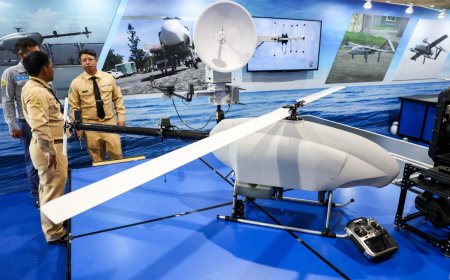
The courtroom fallout extended to Yoon’s inner circle. The same appeals court increased the sentence for his wife, Kim Keon Hee, to four years for accepting luxury gifts tied to the Unification Church and for alleged involvement in a stock‑price manipulation scheme. Prosecutors in a separate trial also asked for a 30‑year term for Yoon, alleging he ordered drone flights over Pyongyang to stoke tensions and create pretexts for martial law, an accusation he faces as part of the continuing prosecutions.
This isn’t a neat curtain call; it’s a slow, headline‑heavy encore that underscores a basic rule: democracy doesn’t respond well to off‑script authoritarian acts, and legal systems tend to keep the spotlight on anyone who tries one.
What's Your Reaction?
 Like
0
Like
0
 Dislike
0
Dislike
0
 Love
0
Love
0
 Funny
0
Funny
0
 Angry
0
Angry
0
 Sad
0
Sad
0
 Wow
0
Wow
0