
























































Satellites Find Twice as Much Methane from Australian Coalmines as Canberra Reports
The IEA’s Global Methane Tracker finds Australian coalmine methane at 1.7Mt for 2025, more than double the government’s 0.82Mt, using satellites. Experts say this under‑reporting is a wake‑up call because methane is a potent, fast-acting climate driver and reductions can quickly slow warming.
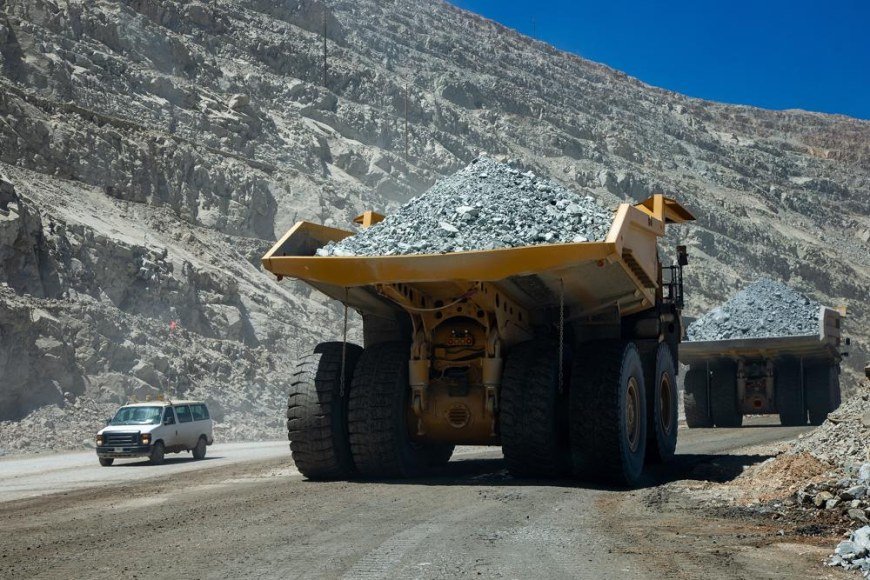
Australia’s coalmines may have been quietly throwing a much bigger greenhouse-gas party than official guest lists suggest, and the satellites have RSVP’d “we counted everyone.”
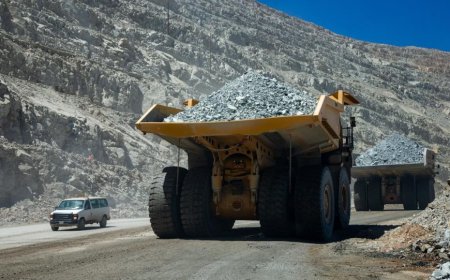
The International Energy Agency’s Global Methane Tracker, released Monday, estimates coalmines in Australia emitted about 1.7 million tonnes of methane in 2025. Canberra’s tally submitted under the UN framework is 0.82 million tonnes, roughly half that. Put another way, the IEA’s number would add the climate equivalent of about 25 million tonnes of CO2 that isn’t appearing on official scorecards.
Why the mismatch? The IEA uses satellite measurements as part of its approach; the government’s current methods do not. This isn’t a tiny bookkeeping quibble: previous global trackers have found methane from Australia’s coal and gas could be up to 60% higher than official reports.
Climate analysts warn that this gap matters because methane is a fast, furious heater. The IEA estimates it has contributed about 30% of planetary warming since the Industrial Revolution, and methane is roughly 80 times more potent than CO2 over 20 years. Unlike CO2, methane hangs around for about a dozen years, which means reductions translate into near-term slowing of warming if they actually happen.
The IEA also points out that about 35% of human-caused methane comes from the fossil-fuel sector, and there’s little evidence emissions from these operations are dropping despite known fixes. Australian experts say rapid, permanent cuts in coal‑related methane would be one of the quickest, cheapest ways to blunt warming while broader coal-phaseout work continues, a sensible step given Australia’s role as a major coal exporter.
Official Australian figures still list agriculture as the biggest methane source at about 2.25 Mt, with the energy sector at 1.17 Mt. Government data show coalmine methane dropped from around 1.2 Mt in 2007 to 0.8 Mt in 2024. But some analysts caution that part of the apparent fall comes from changes in how emissions are estimated rather than more direct measurement. A UN‑backed flyover study at one Queensland mine even found emissions three to eight times higher than the official number.
Canberra did set up an expert panel in 2024 to review methane measurement methods, which, at the very least, acknowledges satellites don’t make mistakes on purpose. If policymakers want to stop surprises, they’ll need to start counting the same way the sky is already counting them. The climate, unlike a conference call, does not accept “I thought someone else would do the math” as an excuse.
What's Your Reaction?
 Like
0
Like
0
 Dislike
0
Dislike
0
 Love
0
Love
0
 Funny
0
Funny
0
 Angry
0
Angry
0
 Sad
0
Sad
0
 Wow
0
Wow
0