













Sanctions, Carriers and May Day: Trump Tightens Cuba Measures; Havana Calls It 'Collective Punishment'
The U.S. issued broad new sanctions on Cuba targeting energy, mining, defence and other sectors; Havana calls them 'collective punishment' as May Day crowds march to the U.S. embassy amid fuel shortages, power cuts and a collapse in tourism.
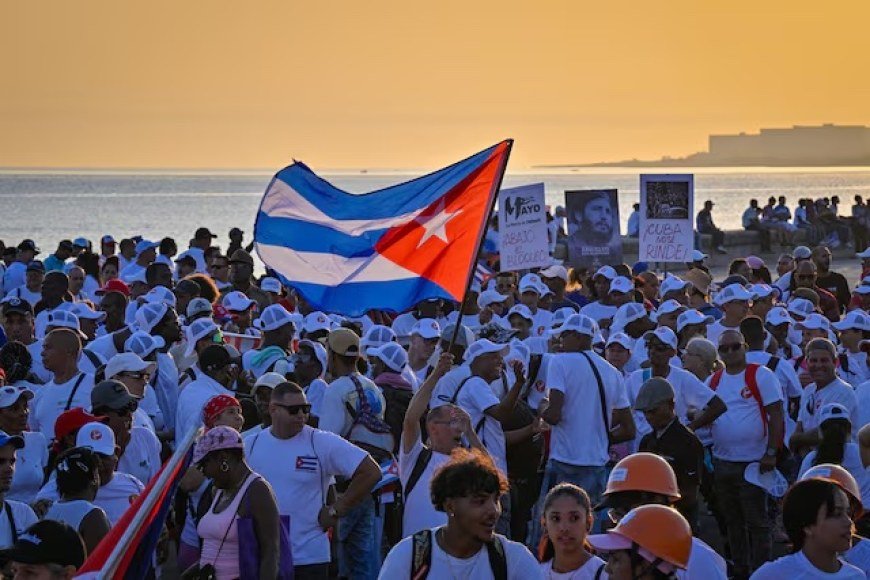
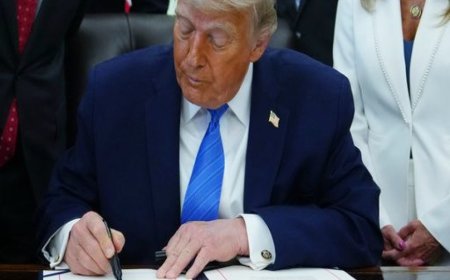
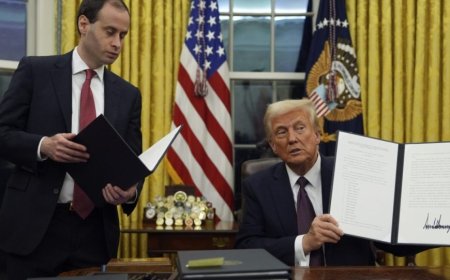
The U.S. issued a fresh executive order on Friday that broadens sanctions on Cuba, and Havana answered with a near–May Day-sized chorus of outrage, calling the moves “collective punishment.” Thousands marched to the U.S. embassy in Havana under the slogan “Defend the Homeland,” joined on the dais by President Miguel Díaz‑Canel and former leader Raúl Castro.
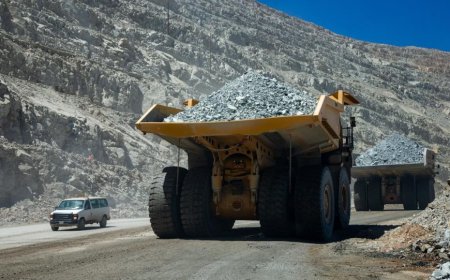
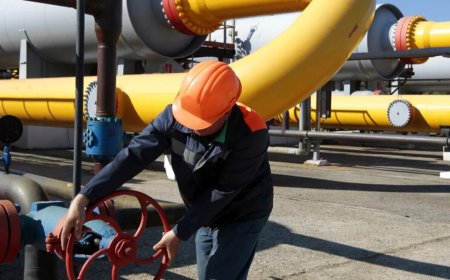
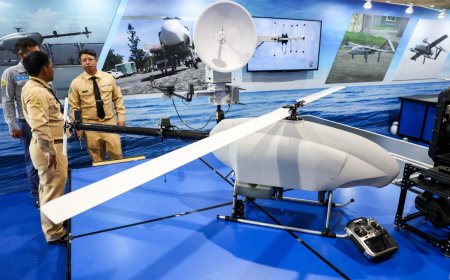
The White House move targets people who operate in large swaths of the Cuban economy: energy, defence and related materiel, metals and mining, financial services, security, the list even includes “any other sector of the Cuban economy.” It also singles out Cuban officials accused of serious human rights abuses or corruption. The measures took effect immediately.
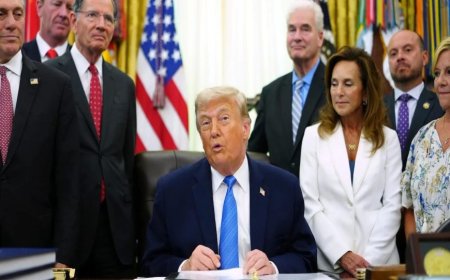
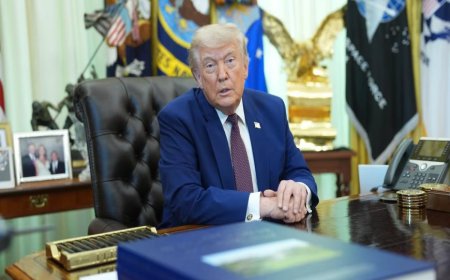
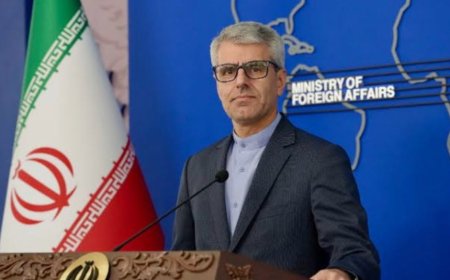
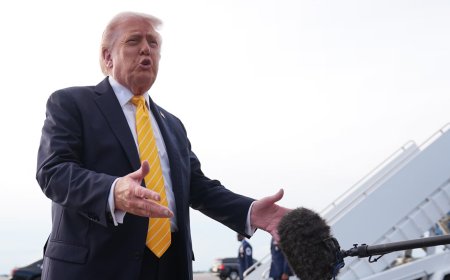
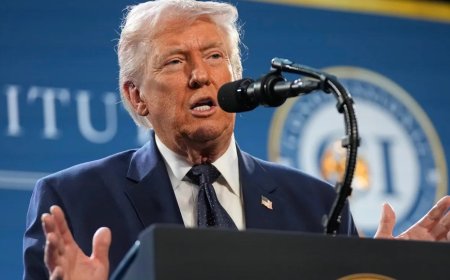
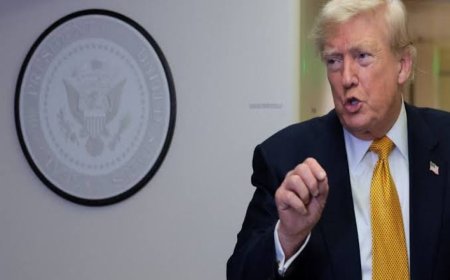
Cuban foreign minister Bruno Rodríguez described the sanctions as collective punishment in a post on X, rejecting the measures as unilateral coercion. The reaction was predictably theatrical on both sides: in Florida on Friday, the U.S. president mused about showing up with “one of our big, maybe the USS Abraham Lincoln” and having it loiter offshore until someone surrendered, a line that sounded more like a movie pitch than diplomacy.
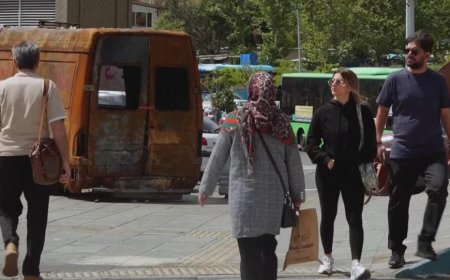
The timing matters. Since January, Cuba has felt a sharper squeeze after a U.S. fuel blockade: only one Russian oil tanker has made it in since then. Shortages, rolling power cuts and a collapse in tourism, once the island’s cash cow, have become the new normal for ordinary Cubans.
Sanctions specialists warn this isn’t a garden‑variety tweak. Jeremy Paner, a former investigator at the U.S. Treasury’s sanctions office who now works in private practice, says the step is the most significant U.S. action aimed at non‑American companies since the long‑running embargo began. Oil and mining firms and banks that kept Cuban operations ring‑fenced are suddenly exposed.
That comes even as the two governments had taken small steps toward talking: senior U.S. officials visited Havana in April. Washington still insists Cuba open up parts of its state‑run economy, pay for properties seized after the revolution and hold free elections; Havana says its socialist system isn’t up for negotiation. Díaz‑Canel called on citizens to mobilise “against the genocidal blockade and the crude imperial threats to our country,” framing the measures as an existential threat.
So here we are: a diplomatic pas de deux that includes executive orders, demonstrations, stern rhetoric and the imagined arrival of an aircraft carrier. The mechanics are legal and the politics loud, but for ordinary Cubans the result is less choreography and more tightened living. In short, the pageant of big gestures keeps getting louder while everyday people keep picking up the tab.
What's Your Reaction?
 Like
0
Like
0
 Dislike
0
Dislike
0
 Love
0
Love
0
 Funny
0
Funny
0
 Angry
0
Angry
0
 Sad
0
Sad
0
 Wow
0
Wow
0