




















































Paperwork Solves It, Politics Breaks It: Australians Left Stuck in Syria as US Pushes Repatriation
Australian women and children who left al-Roj camp reached Damascus with Australian travel documents but remain stuck after Canberra refused repatriation; the US is urging countries to take back citizens as the camp is wound down.
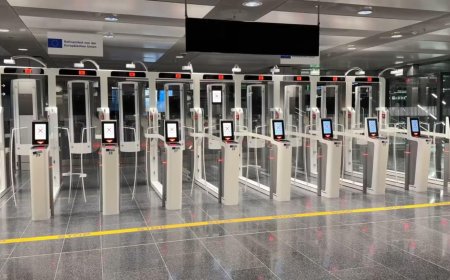
Modern problems, ancient bureaucracy: Australian travel documents were apparently produced and handed over to families still in north-eastern Syria, the paperwork worked, but the plane never landed because Canberra won’t open the gate.
Four women and nine children, mostly three generations of the same family, left the squalid al-Roj camp last week in the custody of Syrian authorities and headed for Damascus. Several of the children were born in the camp and have never been outside it; most of the women have been held at the camp for more than six years.
Syrian officials say the families carried Australian travel documents delivered by an unidentified individual while they were still in the north-east. The little miracle of documents-on-demand fizzled when Australian authorities declined to receive them, leaving the group stuck in the capital and “awaiting a solution,” per Damascus.
This is happening as the Trump administration publicly urges countries to take back citizens in camps like al-Roj, which Washington funds and has warned is an "incubator for radicalisation", and says it is “in active communication” to facilitate repatriations. So the U.S. is offering logistical help, Australia is refusing assistance, and paperwork is doing its best impression of a tour guide who brings you to the hotel and then vanishes.
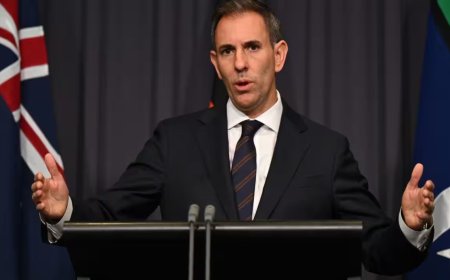
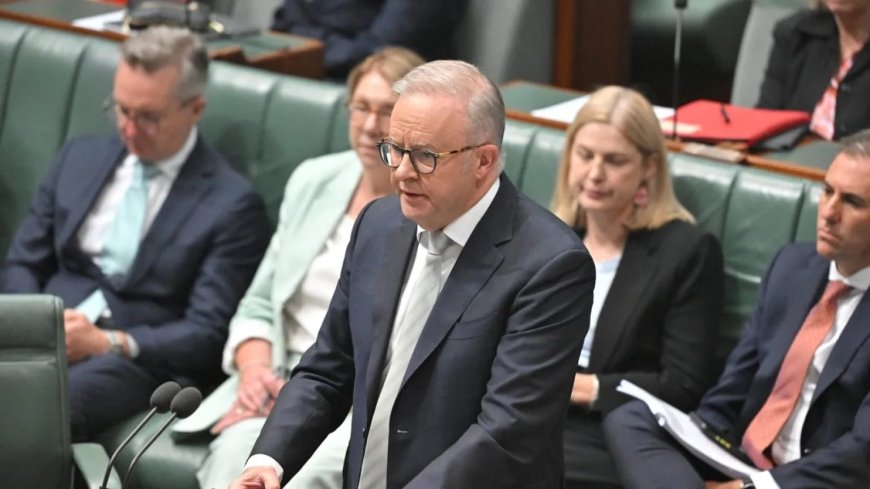
Australia’s stance is firm. Prime Minister Anthony Albanese said the U.S. position “is not a new one,” and home affairs officials have insisted their policy hasn’t changed. Minister Clare Burke put it more bluntly: “We will not repatriate, we will not assist these individuals.” The government warns anyone who committed offences will face prosecution if they return.
Not every Australian in the camps is in the same situation: none of the recent group has been charged with a crime, though one woman has been hit with a temporary exclusion order aimed at blocking her return. There are still other Australians in al-Roj, seven women and 14 children, and the camp itself is being gradually closed ahead of an expected handover to Syrian authorities.
Australia has carried out a couple of quiet return missions before, orphaned children in 2019 and a small group in 2022, and some people have made their own way back, getting passports at embassies and booking commercial flights. This time the travel documents arrived like a tech-savvy solution, only to collide with political immovability. Paperwork unlocked the door; politics bolted it again. If there’s one thing this saga proves, it’s that technology can fix one problem and accidentally create three new ones, diplomatic limbo, stranded families, and an awkward moral calculus. The documents did their job; the world hasn’t decided whether it will do its part.
Closing line: Passports can be printed in moments, but for the people caught between camp, capital and Canberra, the fix still depends on something the printers can’t produce: political will.
What's Your Reaction?
 Like
0
Like
0
 Dislike
0
Dislike
0
 Love
0
Love
0
 Funny
0
Funny
0
 Angry
0
Angry
0
 Sad
0
Sad
0
 Wow
0
Wow
0