







































OpenAI Beats Musk’s $150B Suit, Celebration at the Courthouse, Reality Waiting at the IPO Gate
A jury dismissed Elon Musk’s $150 billion lawsuit against OpenAI on a timing technicality, clearing the way for an IPO but leaving the company to face intense competition, heavy costs and numerous other lawsuits.
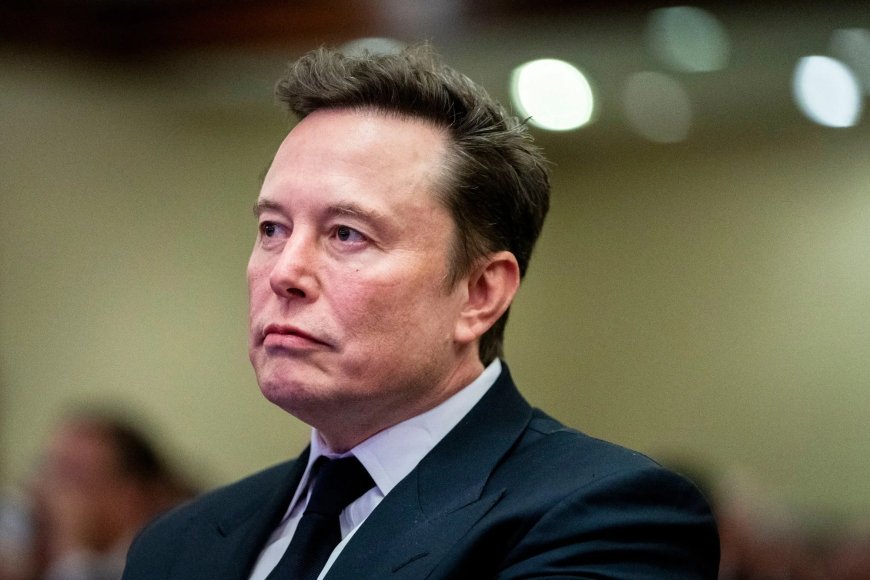
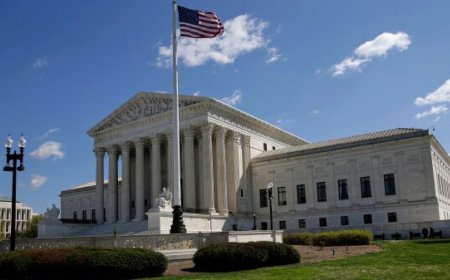
There was a brief celebration in an Oakland federal courthouse when OpenAI’s head of strategy, Jason Kwon, and a team of lawyers marked a quick victory: a nine-member jury rejected Elon Musk’s $150 billion lawsuit in less than two hours. The jury concluded the claim was filed too late, so the court didn’t decide the underlying accusations; the judge dismissed the case and Mr. Musk has already signaled he will appeal.
That ruling clears an immediate legal roadblock and removes an obvious near-term threat to OpenAI’s plans to go public. The company, which transitioned from a nonprofit to a capped-profit structure and raised billions from Microsoft, is now operating with a headline valuation of roughly $730 billion.
But courtroom confetti won’t pay the underwriter fees. OpenAI is still far from universally profitable: operating costs remain very high even as revenues climb, driven by products like Codex (the code-writing tool) and by the recent introduction of ads inside ChatGPT. Investors watching an IPO will want a convincing trajectory from heavy spending to steady profits.
Competition is sharpening. Google released a new model called Gemini 3 and publicly pitched it as a leap beyond OpenAI’s best systems. Anthropic’s Claude products have also surged in enterprise uptake, the company recently raised its revenue forecast substantially, and it even limited distribution of a powerful new model, Claude Mythos, citing security risks. Anthropic has also locked up more infrastructure through a deal to use SpaceX’s Colossus 1 data center in Memphis.
Legal fights are not over either. Dozens of suits target OpenAI, including copyright claims from authors, publishers and news organizations (the New York Times has sued OpenAI and Microsoft), and a set of negligence and wrongful-death claims that have serious social implications. Monday’s verdict avoided the merits of Mr. Musk’s claims, so legal risk remains both active and unpredictable.
There’s also a reputational and regulatory angle. Legal experts and civic watchdogs warn that even a procedural courtroom win won’t silence critics who say the company drifted from its original nonprofit mission. Some advocates are urging state attorneys general to reexamine the restructuring and consider independent valuations or other remedies.
In short: OpenAI won a big skirmish, but the strategic picture is crowded. An IPO is back on the table, revenues are growing, and models are getting better, at OpenAI and at its rivals. The company’s next seasons will be decided in boardrooms, data centers and court dockets, not just a single courthouse celebration. OpenAI may have sprinted past one legal hurdle, now it has to run the marathon, and the water stations are full of investors, regulators and rival A.I. teams.
What's Your Reaction?
 Like
0
Like
0
 Dislike
0
Dislike
0
 Love
0
Love
0
 Funny
0
Funny
0
 Angry
0
Angry
0
 Sad
0
Sad
0
 Wow
0
Wow
0