






























One-Page Peace Plan Meets Explosions: Iran Accuses U.S. as Truce Strains
Iran accused the U.S. of strikes that shook Qeshm, Bandar Abbas and Tehran as talks over a one-page 30-day truce to reopen the Strait of Hormuz continued; nuclear enrichment and a stockpile of highly enriched uranium remain the main sticking points.
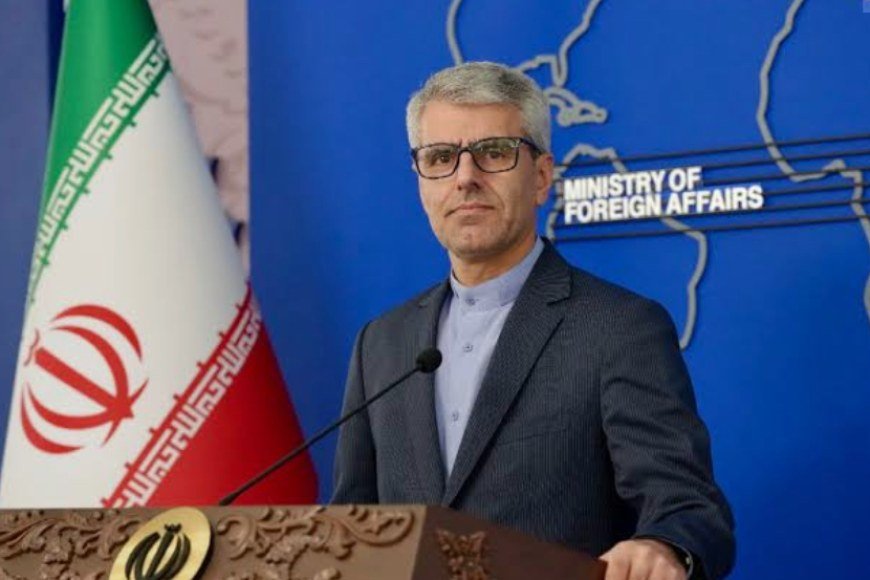
Diplomacy tried to go minimalist this week, a one-page plan to pause the fighting, reopen the Strait of Hormuz and give negotiators 30 days to hammer out a fuller peace. Reality responded with explosions.
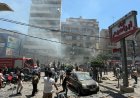
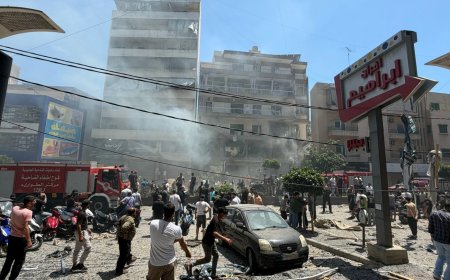
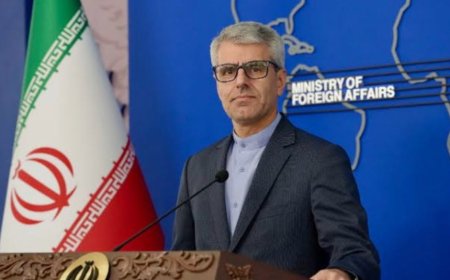
Iran said blasts shook Qeshm Island, the port city of Bandar Abbas and even parts of Tehran, and its armed forces blamed the United States and “its supporting countries,” saying strikes followed exchanges of fire between U.S. and Iranian vessels in or near the Persian Gulf. There was no immediate U.S. comment on the allegations.
If true, the strikes would be the biggest stress test yet for a month-old cease-fire that has already been punctuated by bursts of violence. Ironically, the same morning negotiators were reportedly trading a one-page proposal, tidy, print-friendly and perfect for a diplomat on a tight schedule, the ground (and sea) were doing their best impression of disorder.
The draft being discussed would have three simple moves: the United States lifts its blockade of Iranian ships and ports, Iran reopens the strait to commercial traffic, and both sides halt hostilities for 30 days while they try to negotiate a comprehensive settlement. Three Iranian officials, speaking anonymously because these talks are sensitive, said the plan is under debate. The stickier problems, Iran’s nuclear enrichment program and its stockpile of highly enriched uranium, were being left for later.
Those nuclear questions are the big rub. U.S. negotiators have been pressing for commitments including surrendering the stockpile, closing three facilities and a 20-year suspension of enrichment. Iran counters with proposals to dilute some uranium, ship some to a third country (possibly Russia), and suspend enrichment for 10 to 15 years, without agreeing to close the named sites. Tehran says it would agree to never seek a nuclear weapon and to suspend enrichment, but the duration and details are unresolved.
While diplomats split pages, people on the ground were watching boats, markets and headlines. Iran denied involvement in an explosion that damaged a South Korean cargo ship earlier in the week and warned vessels transiting the Strait of Hormuz not to move without permission. State media reported air-defense activations and residents in Tehran describing panic after loud blasts. Iran also said it had targeted American vessels in response; the U.S. military had not confirmed those strikes.
Markets reacted like sleep-deprived traders: jittery. The blockade and the prospect of renewed fighting have choked a major oil route and rattled supply chains. Brent crude settled 1.2 percent lower at just over $100 a barrel during the day, then nudged into a small gain in after-hours trading; the S&P 500 gave up early gains and closed down about 0.4 percent.
A one-page deal is a lovely bit of administrative efficiency, convenient for inboxes and very shareable on a phone screen. The problem is enforcement, trust, and the messy reality of ships, missiles and competing red lines. Diplomacy may now fit on a single page; keeping a truce in the water takes a lot more than a good PDF.
What's Your Reaction?
 Like
0
Like
0
 Dislike
0
Dislike
0
 Love
0
Love
0
 Funny
0
Funny
0
 Angry
0
Angry
0
 Sad
0
Sad
0
 Wow
0
Wow
0