








































Oil Firms Post Blockbuster Profits as Europe Revives Windfall Tax Push
Soaring oil profits from Middle East tensions have revived calls for windfall taxes in Europe and beyond, but loopholes, politics and conflicting goals make any fix messy.
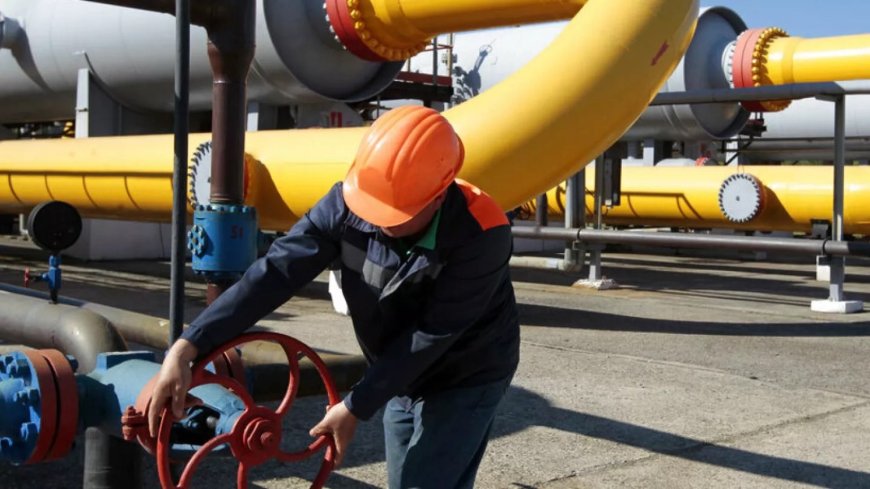
Big oil companies are posting numbers that look less like quarterly results and more like someone found a coupon for the global supply chain. BP more than doubled its profits in the first three months of the year, and TotalEnergies reported $5.4 billion in Q1 net profit, then promptly sweetened dividends and buybacks.
The reason isn’t a masterclass in corporate wizardry so much as a geopolitical remix: the energy shock from Iran-related tensions, missile strikes in the Persian Gulf and halted traffic through the Strait of Hormuz sent prices up, and profits followed. Households felt the bill; oil firms felt like they’d won the lottery.
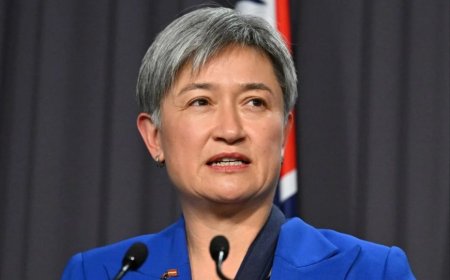
That contrast has sparked a political chorus. Finance ministers from Austria, Germany, Italy, Portugal and Spain, along with advocacy groups such as Oxfam and WWF, wrote to the European Commission asking for a tax on excessive energy-sector profits, saying it would “send a clear message that those who profit from the consequences of war must do their part to ease the burden on the general public.” Australia is even discussing higher taxes on offshore oil and gas deposits.
But handing out a tax and expecting it to solve everything is trickier than it sounds. Policymakers are juggling three competing goals at once: raise cash to help struggling households, nudge down consumption, and, paradoxically, keep enough incentive for energy investment while also aiming to phase out fossil fuels. The idea behind a windfall tax is simple: if the gains came from unpredictable global events rather than clever investing, maybe those gains shouldn’t be sacrosanct.
Still, practical problems keep popping up. The EU’s temporary windfall taxes raised about $26 billion between 2022 and 2024, far below early hopes. French economist Gabriel Zucman estimates France brought in €69 million instead of an anticipated €3 billion after companies shifted profits to tax havens or to producing countries. Britain’s Energy Price Levy, a 38 percent surcharge on excess domestic profits, collected roughly $3.5 billion in 2022–23, $4.86 billion in 2023–24 and $3.92 billion in 2024–25, but it doesn’t touch overseas profits or much of the billions made on global oil trading.
Unsurprisingly, the industry pushes back. Exxon sued to block the EU’s temporary tax in 2022, BP’s CEO warned a broader levy would be “a highly flawed response,” and skeptics like Tax Foundation Europe argue such levies can deter investment and shrink supply. Proposals to tax global windfalls and redistribute the money, think Alaska’s Permanent Fund-style checks, try to close loopholes, but global coordination is a heavy lift.
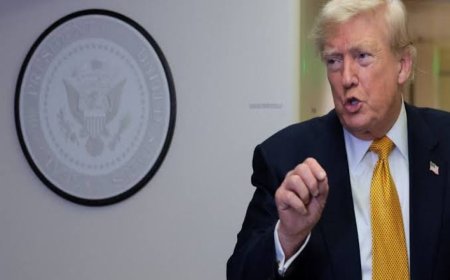
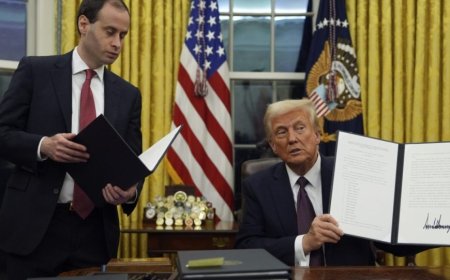
Meanwhile, U.S. drivers are feeling the pinch: gasoline prices reached a new peak since the conflict began, raising costs for motorists about 44 percent, according to AAA. Calls for a U.S. windfall tax exist, but political headwinds are strong; the current political scene includes celebrations from the White House side every time oil prices climb. So the question remains: do governments tax the party, or ask the hosts to pay for everyone’s dinner? Either way, someone has to pick up the tab.
What's Your Reaction?
 Like
0
Like
0
 Dislike
0
Dislike
0
 Love
0
Love
0
 Funny
0
Funny
0
 Angry
0
Angry
0
 Sad
0
Sad
0
 Wow
0
Wow
0