














































Officials Call Most Baby Formula ‘Safe’ While Tests Find PFAS, Phthalates and a Lot of Missing Details
The FDA tested 300 baby formula samples and called most 'safe.' Independent scientists found widespread PFAS and phthalates, plus data gaps and no product-level transparency.
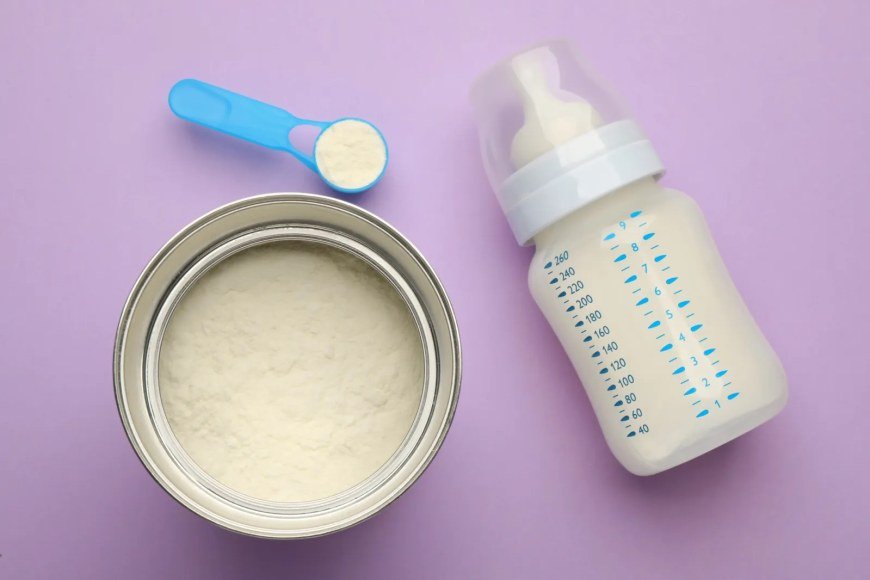
The agency that just tested hundreds of baby formula samples declared that most products “meet a high safety standard.” Independent scientists who reviewed the same results say that claim collides head-on with the data: a majority of samples contained PFAS or phthalates, chemicals public-health experts treat as seriously worrying.
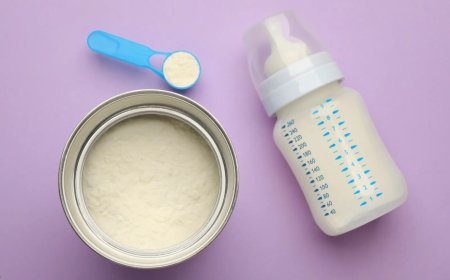
Under the banner Operation Stork Speed, the FDA expanded testing to roughly 300 formula samples for PFAS, phthalates, lead, pesticides, mercury and other contaminants. The most frequent detections were PFAS and phthalates: at least half the samples contained PFOS, one of the nastier PFAS molecules, and about 46% had phthalates. Several samples showed low levels of lead, and a handful contained chlorpyrifos, a pesticide the EPA tried to ban.
That’s where the “high safety standard” line runs into practical problems. Independent reviewers praised the agency for doing more testing and publishing results, but they also flagged major data gaps: product names weren’t listed, and the report didn’t say whether samples contained multiple contaminants. Those omissions matter because tiny doses of endocrine-disrupting chemicals can add up or even interact.
Regulatory consultant Maricel Maffini put it bluntly: “There is no really safe amount of endocrine disruptors.” Her point: studies show even low-dose exposures to PFAS and phthalates can affect hormones and development at vulnerable stages like infancy, with possible immediate and long-term consequences.
Scientists also noted a practical hazard: much of the PFAS showed up in dry formulas. Mix that powder with water, which may itself contain PFAS, and you could increase exposure. “We do know very low levels of exposure are associated with health effects, and … newborns are in this critical stage of development,” Tasha Stoiber of the Environmental Working Group said, pointing out that short‑chain PFAS used throughout the food system were detected.
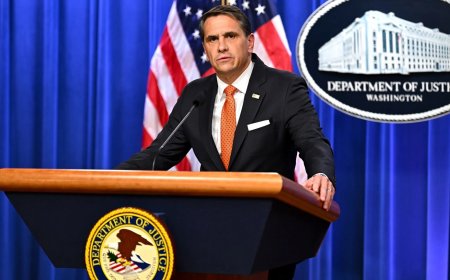
FDA leaders framed the results differently. HHS Secretary Robert F. Kennedy Jr said, “We tested more infant formula than ever before, and the results are clear: most products meet a high safety standard – but even small exposures matter for newborns… Protecting our children’s health is non‑negotiable.” FDA Commissioner Marty Makary called the findings “encouraging” and leaned on a value judgment: “You can judge a society by how it treats its most vulnerable members.” The agency’s release, however, did not lay out specific next steps or tie findings to enforceable limits.
There are some encouraging notes, lead levels appear lower than in past snapshots, and industry testing happens regularly, but experts warn that testing alone isn’t a finish line. Tom Neltner of Unleaded Kids urged concrete action: labs, transparent results and an actual action level for lead rather than a press‑release conclusion of safety. In short: committees can finally invent common sense and test more, but until product names, exposure combinations and enforceable limits are addressed, parents will want less tagline and more transparency. Safety for babies, it turns out, needs more than optimism; it needs data you can trust.
What's Your Reaction?
 Like
0
Like
0
 Dislike
0
Dislike
0
 Love
0
Love
0
 Funny
0
Funny
0
 Angry
0
Angry
0
 Sad
0
Sad
0
 Wow
0
Wow
0