






































































No big cash grab: Chalmers signals CGT changes will spare existing landlords
Treasurer tells Commonwealth Bank podcast that he aims to ‘recognise the decisions that people have taken in the past’Follow our Australia news live blog for latest updatesGet our breaking news email, free app or daily news podcastExisting property investors look set to avoid paying more tax under L
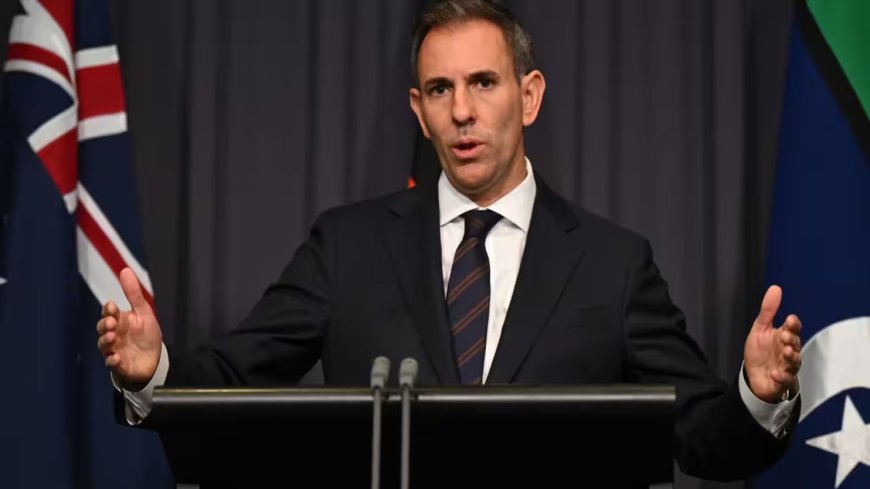
When the treasurer popped up on the CommBank View podcast, he sounded less like a demolition crew and more like a careful gardener: willing to prune tax settings, but not keen to uproot what’s already growing.
Jim Chalmers made plain that any changes to the 50% capital gains tax discount are likely to be handled with kid gloves. He said the government wants to “recognise the decisions that people have taken in the past” and warned people shouldn’t expect “a huge amount of new revenue” to magically appear in the next few budgets.
The politics behind that caution is straightforward. Officials are expected to consider moving away from the flat 50% discount towards the pre-1999 approach that adjusts gains for inflation, but many investors, and some economists, want those changes to apply only to new purchases so existing owners aren’t hit mid-game.
Numbers from independent analysts and banks show why Canberra is tiptoeing. The Grattan Institute estimates that halving the discount and phasing it in over five years across all investments could bring in about $6.5bn a year. Commonwealth Bank modelling suggests a package that returns to inflation-adjusted gains and removes negative gearing, if fully grandfathered, would deliver roughly $2bn extra in the first four years, and $25–30bn over a decade depending on how the economy behaves.
Those sums come with plenty of caveats. Whether investors ultimately pay more or less tax under a new regime depends on market conditions and the exact design of the changes. That uncertainty helps explain why Chalmers flagged “transitional issues” and why some policy wonks are asking for graceful phasing rather than a sudden switch.
There’s also a housing market angle: officials reckon scaling back investor tax breaks won’t instantly make homes dramatically cheaper. Chalmers said the aim is more about shifting the composition of home ownership, nudging the balance from investors back toward owner-occupiers, rather than targeting a specific price drop.
If the modelling is right, the effect on prices would be modest: a 1–4% reduction in house prices and possibly a three percentage-point rise in home ownership as some investors think twice. But the government keeps returning to the same refrain: boosting supply is “the main game” for affordability. Expect the budget to reveal whether Canberra chooses a gentle nudge or a firmer shuffle, and accountants to be booked solid either way.
What's Your Reaction?
 Like
0
Like
0
 Dislike
0
Dislike
0
 Love
0
Love
0
 Funny
0
Funny
0
 Angry
0
Angry
0
 Sad
0
Sad
0
 Wow
0
Wow
0