


















































New Jersey Duo Plead Guilty to $2M Art Forgery Scheme That Fleeced Auction Houses
Pair apologise in court after being accused of defrauding buyers including some of New York’s most prominent fine art auction housesA father and daughter in New Jersey have pleaded guilty to running a years-long counterfeiting scheme to trick art galleries and auction houses into buying forged paint

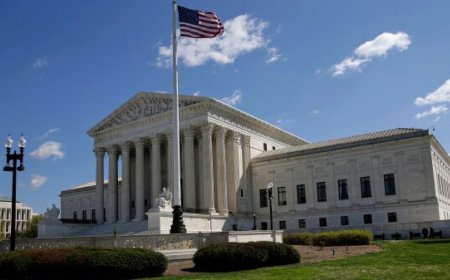
A New Jersey father and daughter have admitted running what prosecutors call a years-long counterfeiting operation that sold more than 200 forged paintings to galleries and auction houses, netting at least $2 million.
Erwin Bankowski, 50, and his daughter Karolina Bankowska, 26, pleaded guilty in New York federal court. Prosecutors say they commissioned an artist in Poland beginning in 2020 to reproduce lesser-known works by big names, everything from Warhol and Banksy to Picasso, then dressed the pieces up with antique paper and forged gallery stamps so they looked like legitimate finds.
Some of the sales read like an art-world blooper reel. The most lucrative fake, presented as a work by Richard Mayhew, reportedly sold at DuMouchelles last October for $160,000. Another forged piece titled Triple Boats, linked to Raimonds Staprans, changed hands for $60,000 in March 2023 shortly after the artist’s representatives contacted the auction house.
Auction houses named in the case include Bonhams, Phillips, Freeman’s and Antique Arena; a DuMouchelles representative said the house cooperated with federal authorities but could not discuss the sale. Several forgeries used the names of now-defunct galleries to make provenance sound plausible.
The pair also faces a separate charge tied to misrepresenting Native American–produced goods after copies of a work by Luiseño artist Fritz Scholder entered the scheme. Federal guidelines put the possible sentence at more than three years, and the penalties could include about $1.9 million in restitution and possible deportation to Poland.
In court both defendants apologized. Bankowska said her conduct was wrong and that she was guilty; her lawyer, Todd Spodek, said she had put more than $1 million into an escrow account. Through a Polish interpreter, Erwin also expressed remorse, and his attorney said he’d made a terrible decision trying to support his family.
Experts called the plot familiar to anyone who studies art crime. “The only unusual thing about this case is that the forgers got caught,” said Erin Thompson, a professor of art crime. Small slips gave them away too: one fake Wyeth carried a gallery stamp dating the work to 1976 but included a zoning address number that had been retired in 1962, a little detail that’s hard to fake, even with good paint.
If there’s a punchline, it’s the way paper and stamps tried to buy credibility while a retired zoning code did the revealing. The art world got duped, the forgers admitted guilt, and the lesson is as crisp as an old gallery stamp: provenance matters, and sometimes so does a postcode that went out of style decades ago.
What's Your Reaction?
 Like
0
Like
0
 Dislike
0
Dislike
0
 Love
0
Love
0
 Funny
0
Funny
0
 Angry
0
Angry
0
 Sad
0
Sad
0
 Wow
0
Wow
0