



















































‘Missed the Mark’: Black Southerners Fear Voting Gains Could Be Rolled Back After Supreme Court Ruling
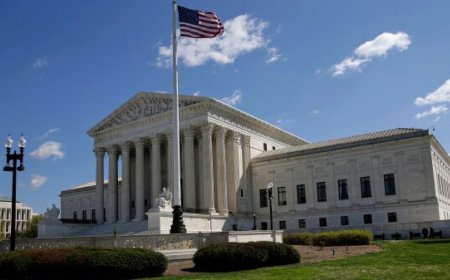
A Supreme Court ruling on the Voting Rights Act has Black Southerners worried their hard‑won representation could be eroded, drawing sharp reactions from veterans and activists.
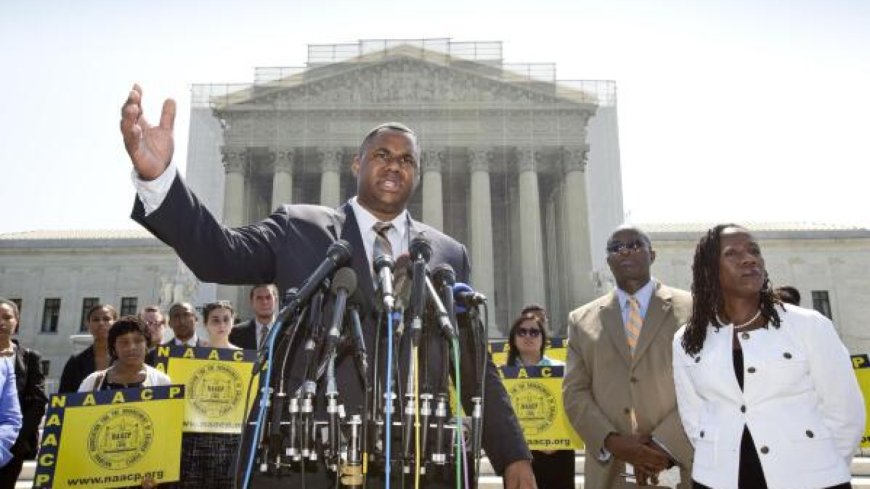
On Wednesday, a Supreme Court decision meant to reshape how courts evaluate parts of the Voting Rights Act landed like a soggy confetti cannon for many Black Southerners, celebratory for some conservatives, dispiriting for civil rights veterans who remember registering voters under threat of violence.
Dr. Leslie B. McLemore, 85, who went door to door in Mississippi in the 1960s and once faced a gun pointed in his direction by an officer, said the ruling felt like a setback after decades of progress. He and others pointed out that legal language about “vast social change” can sound a lot like a law professor’s party trick when it runs up against lived experience.
The majority opinion, written by Justice Samuel A. Alito Jr., cited increases in minority voter registration and turnout as part of that social change and said older instances of discrimination, and some claims about ongoing societal effects, should carry less weight. Conservatives applauded; some critics called the court’s yardstick out of tune with reality.
Not everyone saw race as the deciding factor. Amir Hassan, a Black Republican running for Congress in Michigan, argued voters should sort themselves by ideology rather than skin tone, saying he chafes at assumptions about shared goals based on melanin. That line of thinking won applause from those who have long objected to race-based mapmaking.
But the ruling could have real political consequences in the South, where the Voting Rights Act helped produce majority-Black districts and more Black representatives. Alabama and Louisiana had each sent two Black members to Congress as recently as 2024 after litigation over maps, gains that advocates warn might be vulnerable now, including in districts like Louisiana’s Sixth that have been the subject of legal fights.
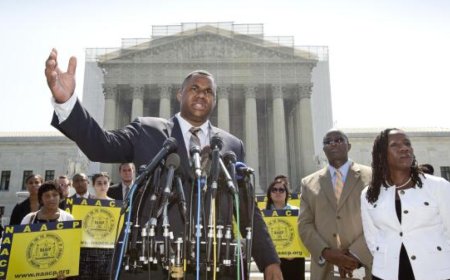
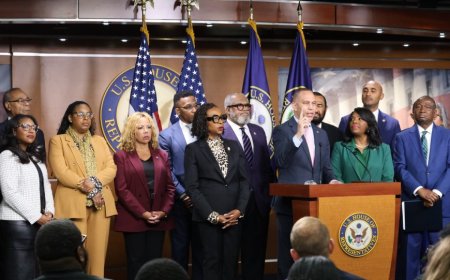
Voices on the ground in places like Jackson, Miss., and Baton Rouge, La., were blunt. Delores Suel, 77, and taxi owner Tyra Dean, 55, said discrimination is still a daily reality and worried the decision would make it worse. State leaders and civil-rights groups pointed to persistent gaps in wealth, education and health as evidence that the court’s rosy snapshot is incomplete.
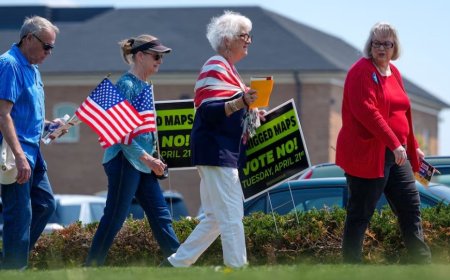
Activists predicted the effect would ripple down from Congress to city councils, school boards and local judgeships if mapmakers in GOP-controlled states move quickly. The ruling may rearrange lines on maps, but it won’t erase the memories or the organizing muscle built since 1965, and for many who lived through the earlier fights, that persistence is part complaint, part plan. The law may have changed; the door knockers, it turns out, are stubborn.
What's Your Reaction?
 Like
0
Like
0
 Dislike
0
Dislike
0
 Love
0
Love
0
 Funny
0
Funny
0
 Angry
0
Angry
0
 Sad
0
Sad
0
 Wow
0
Wow
0