


























































Maine’s Senate Race Reboots: Mills Withdraws, Platner Rises, and Money Rules the Day
Janet Mills, 78, withdrew from Maine’s Senate race citing a fundraising shortfall, making Graham Platner the presumptive Democratic nominee. Voters reacted with relief or mixed concerns about age, rapid rises and the role of modern campaign money.
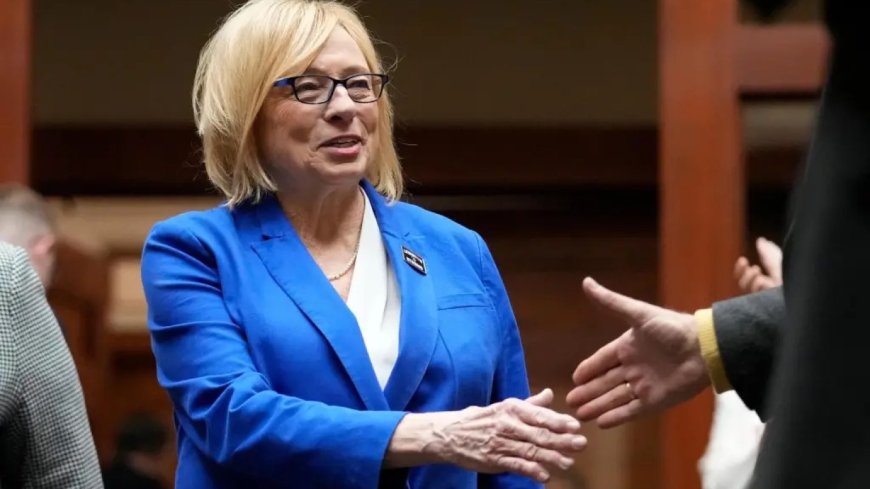
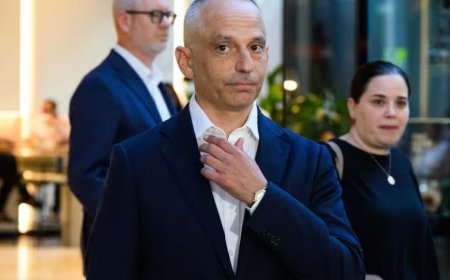
Janet Mills abruptly left the U.S. Senate contest this week, clearing the path for Graham Platner and turning what looked like a slow primary into an instant state-sized reset. The governor, 78, cited a shortage of campaign funds, “the one thing that political campaigns unfortunately require today”, and bowed out, handing the Democratic lane to the 41-year-old oyster farmer and Iraq War veteran.
For many Mainers, the decision landed somewhere between unsurprising and quietly welcome. A lot of people respect Mills for climbing from district attorney to attorney general to governor, the first woman in Maine to hold those offices, but several voters had grown uneasy about her age and the uneven energy of her Senate push.
That nervousness about experience, tenure and stamina mixed with a different current: a desire for fresh blood. Progressives who wanted a bolder, more left-leaning nominee and conservatives fatigued by long-serving officeholders both found reasons to be relieved. Suddenly, the primary fight was less about whether Mills could make noise and more about what comes next against Susan Collins, the 73-year-old incumbent.
Platner’s rapid ascent is the plot twist: an upstart who surged into the lead and weathered a few minor scandals to become the presumptive nominee. Rapid rises are thrilling, but they also leave voters wondering whether a candidate has been fully vetted, the political equivalent of hiring someone because they have great reviews on a platform you didn’t know existed until last week.
Mills’ exit also brings the big, unavoidable practical truth into focus: modern campaigns run on cash and the tools that turn public attention into contributions. That solves one problem, it can lift obscure candidates into real contests, while creating new ones: lightning-fast rises that complicate vetting, fundraising dynamics that favor certain styles of campaigning, and a politics where turnout, not just persuasion, decides everything.
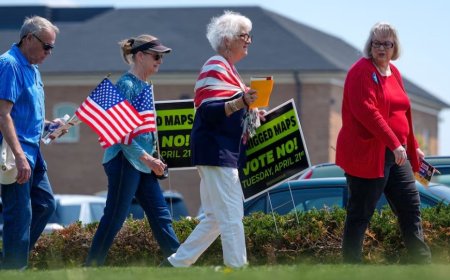
Geography and voter mood keep the race unpredictable. Maine’s north leans conservative and the south leans liberal; some longtime Collins supporters voiced discomfort with her long tenure even as they plan to stick with her. Others remain undecided but pleased to see Mills step aside. Voters repeatedly returned to the same two questions: who can beat Collins, and who can keep up with whatever the campaign looks like in the age of rapid online attention and nonstop fundraising.
So now the calendar rewrites itself: the June primary fades into a November contest that promises to be close. Voters who admired Mills still praised her dedication to the state, while others cheered the turn toward newer faces and new tactics. In Maine politics, money and modern attention can hand you a microphone overnight, but it’s still the voters who decide whether you get to keep singing.
What's Your Reaction?
 Like
0
Like
0
 Dislike
0
Dislike
0
 Love
0
Love
0
 Funny
0
Funny
0
 Angry
0
Angry
0
 Sad
0
Sad
0
 Wow
0
Wow
0