





























Israel launches strikes in southern Lebanon as a US‑Iran deal that could reopen the Strait of Hormuz nears completion
Israel struck southern Lebanon after ordering evacuations, killing at least one, even as mediators say a near‑final US‑Iran MOU could reopen the Strait of Hormuz, lift a naval blockade and start staged talks on Iran’s nuclear material. Benefits for Iran would be conditional and slow to arrive.
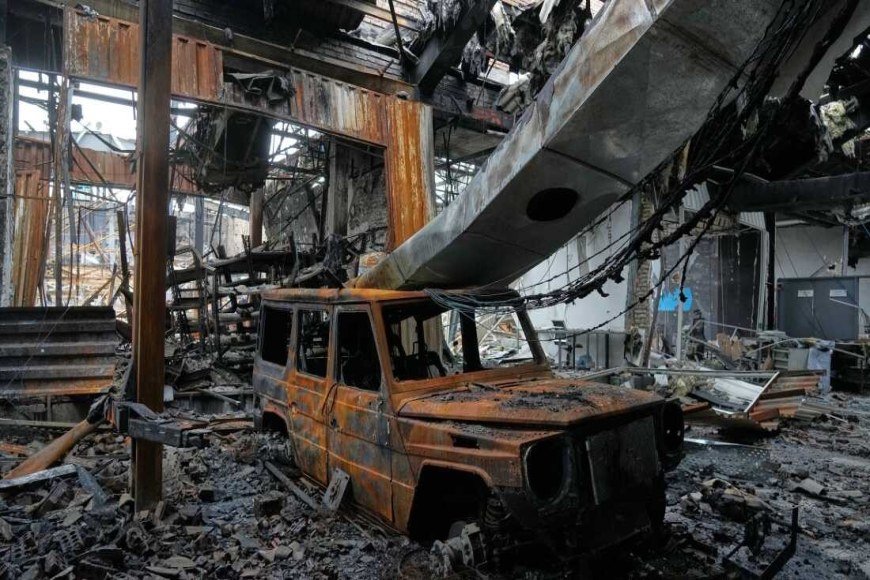
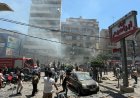
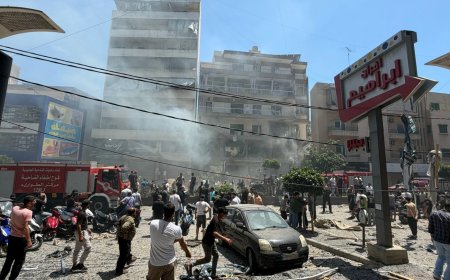
Jets struck parts of southern Lebanon after Israeli authorities ordered people to leave about 20 locations, and at least one person was killed in Marrakeh in the Tyre district. The strikes follow warnings from Israel’s prime minister that Hezbollah will be hit if it continues attacks on northern Israel.
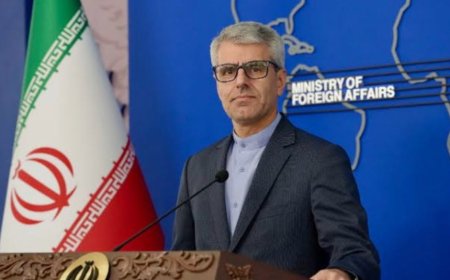
The timing is awkward, to say the least. Pakistan’s prime minister, who has been helping mediate talks between the United States and Iran, tweeted that negotiators are closer to a peace deal than ever and that finalisation could come in the next 24 hours, with an electronic signing under preparation. Iran’s foreign ministry also called the agreement “close” and said it would include reopening the Strait of Hormuz and lifting a US naval blockade, with separate talks on Iran’s nuclear programme to follow.
US officials have confirmed parts of the outline: immediate steps to reopen the Strait of Hormuz in return for easing the naval blockade on Iranian shipping, followed by a 60 day window to tackle Iran’s enriched uranium stocks. The plan is described as staged and conditional, meaning economic benefits for Iran would arrive only as verifiable commitments are met, rather than in a single upfront payment.
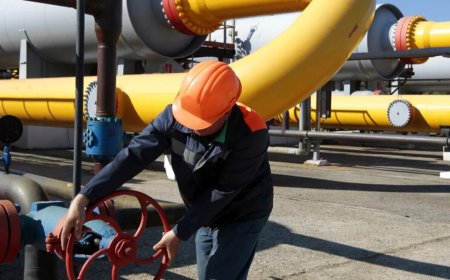
That sequencing matters because the Strait of Hormuz is not a scenic shortcut, it is a choke point through which about 20 percent of the world’s oil and liquefied natural gas normally passes. Any change there would ripple through energy markets, shipping insurance rates, and regional trade flows, which is why traders and governments are watching closely.
The wider conflict has been volatile. It escalated late in February when US and Israeli strikes across Iran prompted Iranian retaliation and disruptions, including the effective closure of the Hormuz route. A ceasefire was agreed in April, but exchanges of fire have continued intermittently, including two rounds of tit‑for‑tat strikes this week. US leaders have also said they once planned strikes that were then called off as negotiations advanced.
Not everyone is on the same page about what has actually been agreed. Iranian media released details of a 14 point package that US leaders rejected as inaccurate. Inside Iran’s security council there are supporters and opponents of the draft terms, and a collective decision has not yet been reached. Pakistan says a Memorandum of Understanding has been agreed and awaits finalising, but officials caution that signatures could be remote and conditional.
Israel has not been a party to the talks, even though one of the MOU’s aims is to extend the ceasefire between Iran and US forces and to curb support for proxies such as Hezbollah, which is central to the Lebanon front. Reports differ on whether Lebanon’s situation is fully covered in the deal, and on the practical details of how enriched uranium would be destroyed and removed, so uncertainty remains.
So here we are: a fragile, performance‑based diplomatic bargain that could unclog a vital oil highway, and air strikes that remind everyone the guns are still loading. Expect cautious optimism in markets, tense nerves on the front lines, and a lot of waiting for an electronic signature to meet real world consequences.
What's Your Reaction?
 Like
0
Like
0
 Dislike
0
Dislike
0
 Love
0
Love
0
 Funny
0
Funny
0
 Angry
0
Angry
0
 Sad
0
Sad
0
 Wow
0
Wow
0