























Iraq Picks Political Outsider to Break the Gridlock, and Now He's Caught Between Washington and Tehran
Ali al-Zaidi, a political unknown, has been tasked with forming a new coalition government. Now, he must grapple with growing U.S. pressure to curb Iranian influence over Iraq.
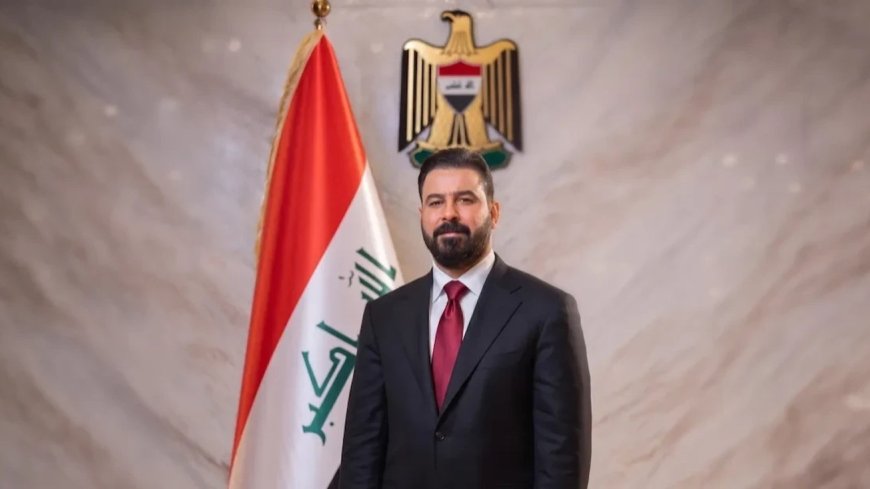
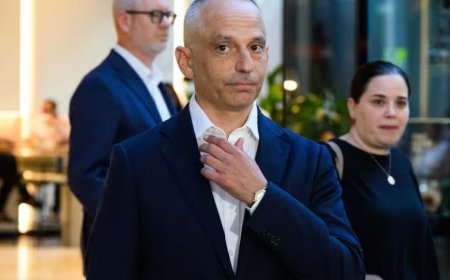
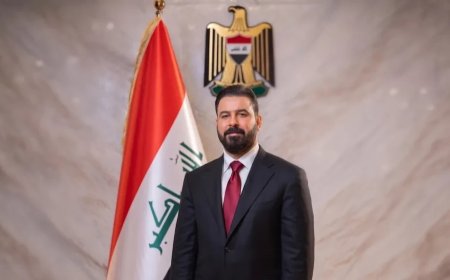
Iraq’s political marathon finally produced a surprise finisher: Ali al-Zaidi, a 43-year-old businessman with no government résumé, has been tapped to form the next coalition government. It’s the kind of choice that screams “we tried everything else,” and, somehow, broke months of gridlock.
Al-Zaidi isn’t a career politician. He owns Dijlah TV, holds big food contracts for the state, and controls Al-Janoob Islamic Bank, which was blocked from U.S. dollar transactions in 2024 under American sanctions alleging money laundering tied to Iran and militia groups. In short: he’s wealthy, politically light, and very much a wildcard.
Remarkably, his nomination sailed through without an early public objection from the Trump administration, at least initially, proof that when domestic stalemate gets bad enough, even foreign powers will shrug and hope for the best. Those close to the talks say he enjoys working relationships across Iraq’s fractious political spectrum, including people with ties to both Washington and Tehran.
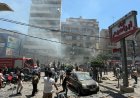
The timing could not be more awkward. After U.S. and Israeli strikes on Iran in late February, Iraq became part of the conflict’s messy geography. Washington has been ratcheting up pressure on Baghdad to rein in Iran-aligned militias, cutting funds to Iraqi security forces and even tightening the flow of U.S. dollars to the country when attacks on American targets continued.
That pressure has a peculiar, bureaucratic dark comedy to it: U.S. officials issued a reward for information on a militia commander accused of attacking American targets, and then that same commander turned up in a room where Iraqis were picking a prime minister nominee. Wanted on a poster, present at a meeting.
These militias were born with Iranian backing during the U.S. occupation, grew stronger after joining the 2014 anti-ISIS fight, and then folded into politics and the economy. Their political wings have held ministries and won more seats in last November’s elections, even as Washington warned against militia influence in government. For any new prime minister, how he handles these groups will be the real test.
Al-Zaidi has 30 days to build a government. Observers say his biggest job will be nudging, or forcing, Iraq back toward a monopoly of force for the state rather than a patchwork of armed actors. Washington may accept his nomination to get a government in place quickly and then press him to act. Whether an outsider with businesses, banking ties, and TV cameras can do what seasoned politicians haven’t remains unclear. For now, Iraq’s committee managed to invent a little common sense by accident; the question is whether that accident can survive the gunpowder and the diplomacy.
Closing line: He may have ended the stalemate, but in a country where ballots and bullets mingle, breaking the deadlock was the easy part, the hard part is keeping the peace.
What's Your Reaction?
 Like
0
Like
0
 Dislike
0
Dislike
0
 Love
0
Love
0
 Funny
0
Funny
0
 Angry
0
Angry
0
 Sad
0
Sad
0
 Wow
0
Wow
0