







































Iran conflict derails Reeves' feelgood year, unemployment back to 5% and pay growth stalls
UK unemployment rose to 5% and regular pay growth slowed to 3.4% as the Iran conflict stokes inflation and weakens jobs, complicating the recovery hoped for in 2026.
The UK’s tentative economic pick‑up has hit a geopolitical speed bump. Unemployment rose to 5% for January–March, reversing last month’s surprise dip and marking the first labour-market figures to reflect the fallout from the war in Iran.
Official data show the jobless rate nudged back up after a brief improvement, underscoring how quickly external shocks can wipe out a fragile “feelgood” momentum. The conflict has pushed energy and food prices higher and dented business confidence, complicating hopes that falling inflation and expected rate cuts would lift spirits.
More up‑to‑the‑minute payroll data suggest the hit may be even sharper. HMRC’s payrolled jobs measure fell by about 100,000 in April, a provisional drop of 0.3% and the third-largest monthly fall since this series began in 2014. The annual decline of 0.7% is the fastest in five years.
Wages are not coming to the rescue. Regular pay excluding bonuses rose just 3.4% between January and March, the weakest pace since the depths of 2020, and private‑sector pay growth was about 3%. With prices rising, many households are already feeling squeezed.
There is a narrow macroeconomic silver lining: subdued pay growth reduces the risk that workers chase inflation with higher pay demands, which could have locked inflation into a higher path. But that resilience is precisely what makes the picture politically awkward, weak wages and rising joblessness are no comfort to families.
The Bank of England’s monetary policy committee now faces a tricky choice. A softer labour market and slowing pay growth could give policymakers room to hold rates rather than hike, while a fresh inflation surge from the conflict would argue the opposite. Deutsche Bank’s chief UK economist flagged that these job figures could prompt the MPC to pause and reassess the impact of the Iran shock.
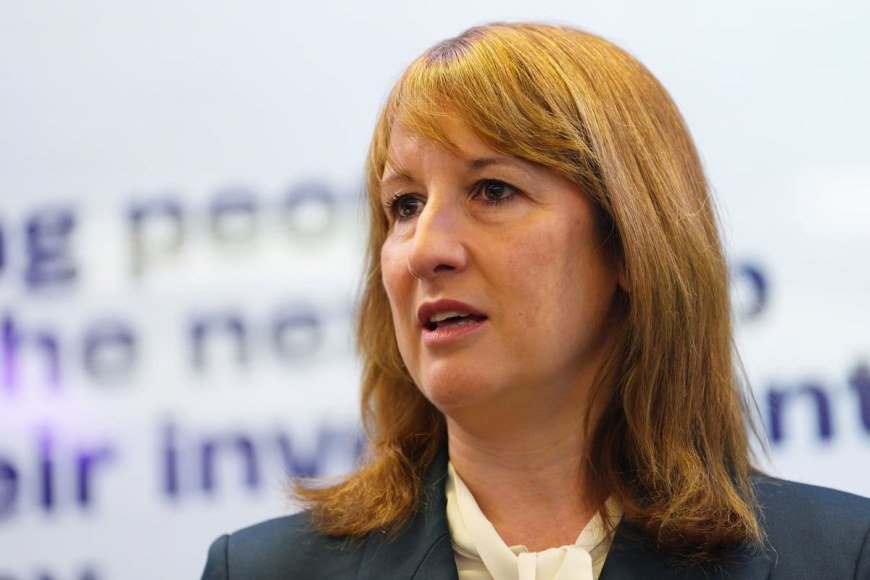
For Chancellor Rachel Reeves, who had been hoping 2026 would be the year to show economic stability, the data make that narrative harder to sell. Even with international bodies offering approval of fiscal plans, households feeling the pinch are unlikely to be persuaded by macro reassurances alone.
The short version: the recovery’s soundtrack has been paused. Until jobs and wages start moving in a more reassuring direction, most households will be stuck listening to economic hold music.
What's Your Reaction?
 Like
0
Like
0
 Dislike
0
Dislike
0
 Love
0
Love
0
 Funny
0
Funny
0
 Angry
0
Angry
0
 Sad
0
Sad
0
 Wow
0
Wow
0