








































































House prices jump 3% in April, buyers didn’t get the Middle East memo
Nationwide data shows UK house prices rose 3% year-on-year in April to a typical value of £278,880, surprising economists amid Middle East tensions and energy worries; household savings and low debt help, but experts warn the rise may be temporary as the Renters’ Rights Act comes into force.

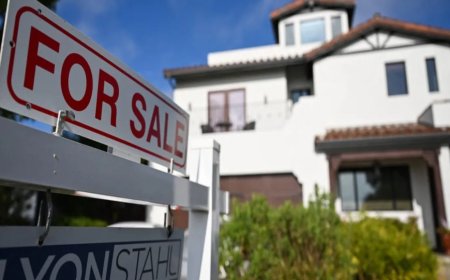
The UK housing market managed a neat bit of collective amnesia in April: Nationwide’s mortgage data shows annual house price growth jumped to 3% from 2.2% in March, leaving the typical home worth about £278,880.
Month-on-month the market kept its streak going too, with prices up 0.4% in April after a 0.9% rise in March, a surprise for city economists who had been pencilling in a 0.3% dip.
On a slightly steadier three-month view, prices rose 1.2% (up from 0.7%), the strongest quarterly gain since February 2025. Nationwide, the country’s second-largest mortgage provider, calculates these moves from its own approvals data, a useful but inherently lagged peek at deals mid-way through the purchase process.
Nationwide’s chief economist noted the oddity: despite the knock-on effects of the conflict in the Middle East and higher energy costs, the market has picked up momentum after a chill around the turn of the year. He called the rises “somewhat surprising” given that consumer confidence has weakened noticeably.
There are sensible reasons why buyers might still be buying. Household debt is at its lowest level relative to income in roughly two decades, and many households built up sizable savings buffers during recent years of financial belt-tightening. At the same time the Bank of England held interest rates steady but warned they could rise if energy prices stay elevated, a reminder the good times could be conditional.
Not everyone believes this sprint will last. Economists flag that some of the prices in Nationwide’s index probably reflect sales agreed early in the Iran war and that mortgage-approval timing can mask churn. Surveys from estate agents and consumer confidence trackers show fewer enquiries, weaker sales and a drop in sentiment, hinting that the market may be getting a temporary boost rather than a new era of calm.
Adding a comic twist to the timing, the price uptick landed on a big day for renters: the Renters’ Rights Act became law, banning no-fault evictions, capping rent rises to once a year at market rate, outlawing over‑asking offers, and giving tenants the legal right to request a pet. So while buyers are cheerfully bidding, landlords are being told to mind the rules, and maybe to stop accepting offers above the sticker price and start practicing their “pet negotiation” skills.
For now, the market is keeping pace despite airmails from geopolitics and energy bills, but economists are watching the fine print. The housing market may be dancing like nothing happened, but someone’s bound to check the timetable before the encore.
What's Your Reaction?
 Like
0
Like
0
 Dislike
0
Dislike
0
 Love
0
Love
0
 Funny
0
Funny
0
 Angry
0
Angry
0
 Sad
0
Sad
0
 Wow
0
Wow
0