







































































EU Slaps Meta With Preliminary Breach Finding, Turns Out Kids and Birthdays Are Very Creative
Commission says tech company does not have effective measures to keep under-13s off Facebook and InstagramThe tech company Meta has been found to be in breach of EU law for failing to prevent children under 13 from using its Facebook and Instagram platforms.Issuing the preliminary findings of a near
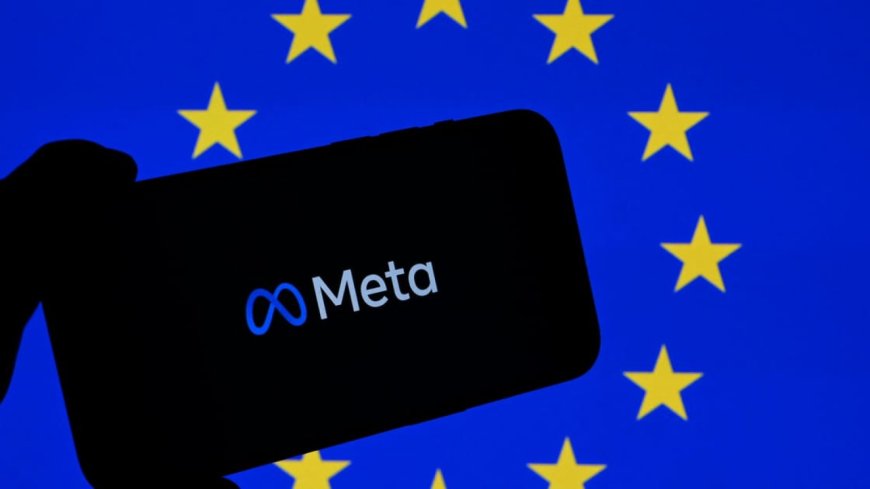
Brussels has given Meta a formal nudge, actually, a preliminary finding, that the company hasn’t done enough to stop children under 13 from signing up to Facebook and Instagram. After nearly two years of poking around, the European Commission concluded Meta’s age‑gate is more decorative than deterrent. That finding is preliminary, so no final verdict yet, think of it as a yellow card, not a red one.
The problem is gloriously low‑tech in practice: a child can type in a fake birthday, create an account, and proceed. The Commission also judged Meta’s tools for reporting underage accounts to be hard to use and ineffective, so even when someone flags a minor, there’s often no meaningful follow‑up. In short: setting a minimum age in the terms and conditions isn’t the same as enforcing it.
Meta pushed back, insisting Facebook and Instagram are meant for users 13 and older and that it already uses detection tools and account removals. The company says it’s investing more in technology to find and remove underage users and argues age verification is an industry problem that needs an industry solution. Expect more detail from Meta next week, and expect the company to get access to the Commission’s file before making a formal defence.
If the preliminary finding sticks, the financial sting could be significant: the Digital Services Act allows fines of up to 6% of global annual turnover. For context, Meta reported about $201 billion in revenue for 2025, which turns ‘a fine’ into ‘a very unhappy spreadsheet.’
This dustup didn’t happen in a vacuum. Across Europe, governments are debating whether to put a hard line on kids’ social media access. Spain has proposed a ban for under‑16s, France has moved toward under‑15 restrictions, and the UK is weighing age or functionality limits for under‑16s. The Commission estimates roughly 12% of children under 13 in the EU are already using Facebook or Instagram, so the stakes are partly legal and partly about whose bedtime rules apply online.
The Meta probe opened in May 2024 and has other threads still in play, including whether platforms are contributing to addictive behaviour or feeding young users negative or extreme content via algorithmic “rabbit holes.” Meta points to a decade of work and more than 50 tools and policies aimed at protecting young people; regulators are asking whether that’s enough when a fake birthdate takes you past the velvet rope.
Brussels is also pitching a technical fix: an EU age verification app that would let people prove their age online without handing over extra personal details. The app could run on its own or slot into national digital ID wallets. Some member states prefer their own systems, and a cybersecurity researcher has already shown that a demo can be hacked quickly, a vulnerability that officials say has since been patched. So the next act in this drama could be a smarter bouncer, a national workaround, or yet another demo that needs fixing.
Bottom line: technology solved the social‑networking problem of getting people connected, and promptly created three new issues: kids getting in, regulators sharpening their pencils, and a tech fix that still needs testing. The real question now is whether the answer will be tougher rules, better code, or an industry‑wide mea culpa, and whether anyone can stop children from lying about their birthdays with a straight face.
What's Your Reaction?
 Like
0
Like
0
 Dislike
0
Dislike
0
 Love
0
Love
0
 Funny
0
Funny
0
 Angry
0
Angry
0
 Sad
0
Sad
0
 Wow
0
Wow
0