



























































Courtroom Hot Potato: Why the Abortion Pill Was Just Returned to Your Mailbox, For Now
A federal appeals court briefly revived an in-person rule for mifepristone on May 1, then the Supreme Court paused that decision for a week. Here’s a clear, slightly sardonic update on why the ruling matters, who pushed it, and what patients face while the legal drama continues.
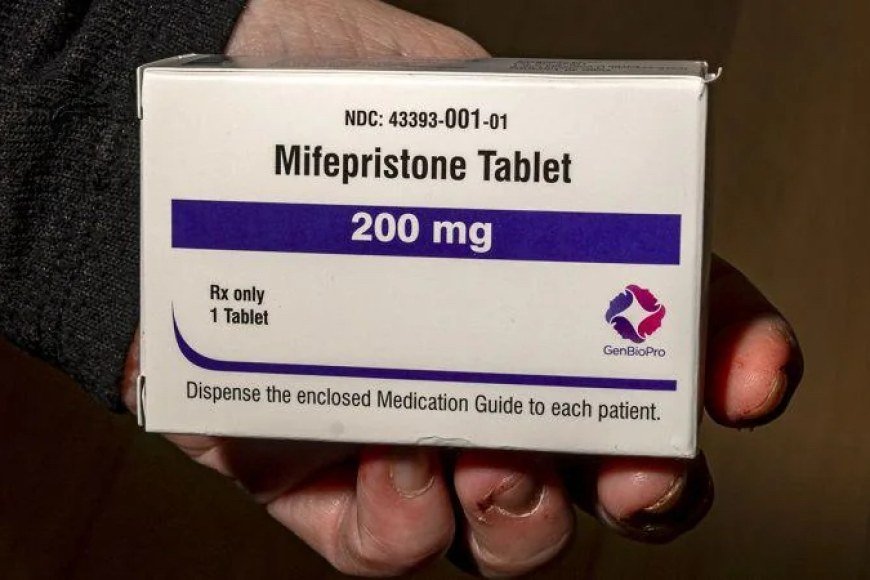
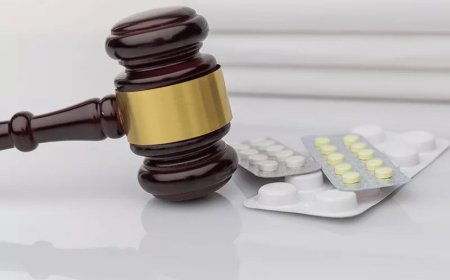
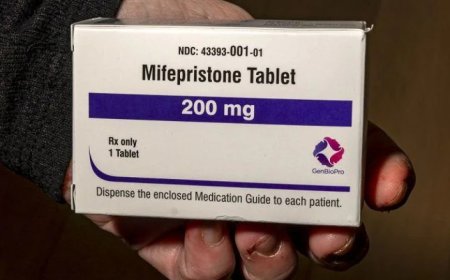
If your inbox felt like it was on a legal roller coaster, you weren’t imagining things. On May 1, a federal appeals court abruptly revived an old in-person rule for mifepristone, the drug used in many medication abortions and for managing miscarriages, and for a few chaotic days it looked like telemedicine access might vanish overnight. The Supreme Court hit the pause button with a one-week stay, meaning mifepristone can still be prescribed by telemedicine and mailed through May 11.
A little history keeps this from being purely courtroom theater. When the FDA approved mifepristone in 2000, patients had to pick it up in person. The pandemic, which revamped everything from grocery delivery to general social awkwardness, also nudged the FDA to allow mail and pharmacy dispensing. That informal practice became official in 2023. Today, telemedicine accounts for about one quarter of abortions, and researchers estimate there were roughly 1.1 million abortions in the U.S. in 2025.
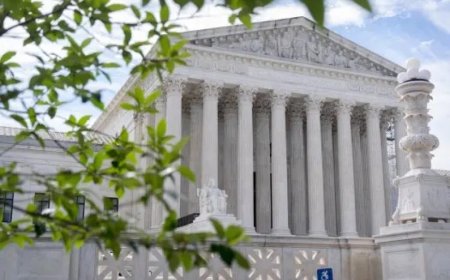
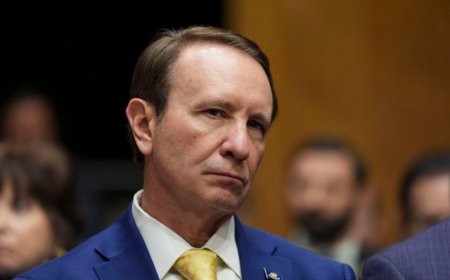
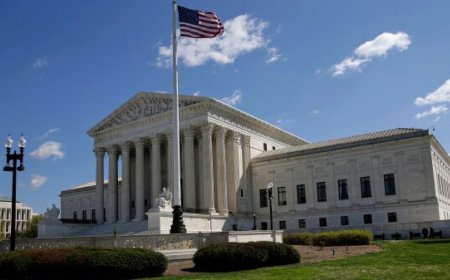
Louisiana is the state that lit the fuse. It was the first to list mifepristone as a controlled substance and to criminally charge an out-of-state doctor who provided telemedicine abortion. The state sued the FDA last year, arguing telemedicine access undercuts its strict ban; approximately 9,000 abortions occurred there in 2025. A Fifth Circuit panel sided with Louisiana and ordered the in-person requirement reinstated nationwide, until the Supreme Court’s temporary stay.
Judge Stuart Kyle Duncan wrote that telemedicine access “injures Louisiana” by undermining its laws and increasing Medicaid spending on emergency care, language the judge said made the harm “irreparable.” Legal scholars warn this ruling could be the most consequential lower-court decision on abortion since Dobbs, because FDA rules apply everywhere, not just in one state.
That nationwide reach explains why dozens of Democratic-led states filed briefs asking the high court to keep the stay in place, and why former FDA leaders filed a separate brief defending the agency’s science-based approval process and warning that the appeals court order could unsettle how drugs are regulated across the board.
Real people feel the scramble. Timing matters during pregnancy, and telemedicine is often the difference between care that’s accessible and care that isn’t, especially in rural areas or for low-income patients. Some providers are preparing to use a misoprostol-only protocol that is effective but tends to come with rougher side effects. Others are watching the calendar and legal filings like it's a very high-stakes countdown timer.
The next stop is the Supreme Court again. The one-week stay expires May 11; justices could extend it, make it last through an appeal, or let the appeals court decision take effect while the legal process continues. This is not the first time the high court has intervened on mifepristone: a 2023 Texas ruling that would have pulled the drug from the market was stayed by the Supreme Court and eventually dismissed in 2024 for lack of standing, though related litigation persists in other states. Meanwhile, the political calculus is unavoidable: the case is happening during campaign season and every politician who cares about votes will be weighing in.
For now, the pill remains available by telemedicine and mail, but only until the next courtroom buzzer sounds. Courts and bureaucracies may love suspense; patients, not so much.
What's Your Reaction?
 Like
0
Like
0
 Dislike
0
Dislike
0
 Love
0
Love
0
 Funny
0
Funny
0
 Angry
0
Angry
0
 Sad
0
Sad
0
 Wow
0
Wow
0