

































Court Turns Off the Voting-Rights Firewall. Will the System Hold?
The Supreme Court narrowed the Voting Rights Act, calling its mission fulfilled. Critics point to a study showing widened turnout gaps and urge Congress to act.
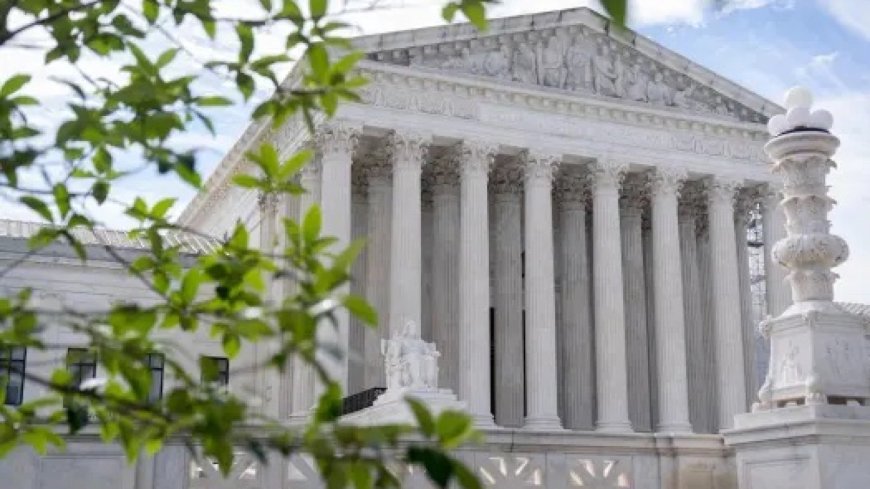
The Supreme Court has effectively told the Voting Rights Act it’s had a good run and can retire, like software that fixed a nasty bug in 1965 and is now being uninstalled because the developers insist the bug is gone.
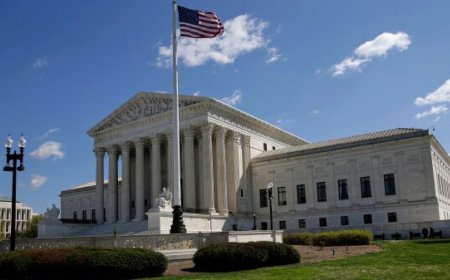
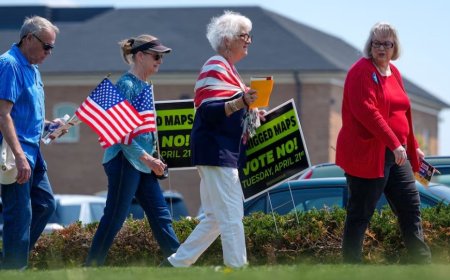
A six-justice conservative majority concluded that the racial problems the law targeted have eased enough that some of the Act’s protections aren’t justified anymore. In the same breath the court struck down a Louisiana map that took race into account when drawing a majority-Black district, saying the updated law no longer permits that move.
This is the latest chapter in a trio of decisions that have whittled away the Act’s bite. One earlier ruling ended the preclearance requirement that forced certain jurisdictions with histories of discrimination to get federal sign‑off before changing voting rules. Another gave states more room to impose voting restrictions. Taken together, the court has been steadily pruning race‑conscious rules on the theory that America has progressed.
The Voting Rights Act was born out of Jim Crow’s voter-suppression toolbox and was instrumental in vastly increasing Black voter registration and representation. Judges pointing to that progress say the law’s original emergency measures are no longer needed. Critics respond that throwing away a working shield because it prevents current harm is poor risk management, you don’t chuck your umbrella because it stopped raining.
There are empirical questions here, not just philosophical ones. A forthcoming study in The Journal of Politics that analyzed nearly a billion votes from 2008 to 2022 finds that, in places once covered by the Act, the Black–white turnout gap widened by about nine percentage points after the preclearance rule was undone, a change that the authors say amounts to hundreds of thousands of uncast ballots. That’s the technical equivalent of “we fixed the bug but now three new glitches show up.”
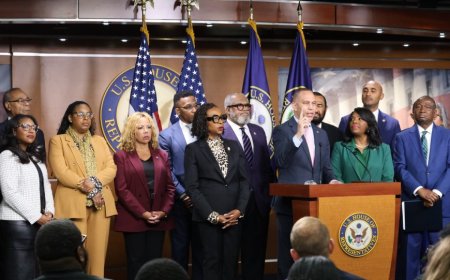
The political fallout is immediate and uncertain. Some state officials welcome the decision and say it lets them redraw maps or alter procedures without old federal constraints. Detractors, including three Supreme Court justices in dissent, argue that deciding whether the country has outgrown the law isn’t a judge’s job but Congress’s, and worry the gains in minority voting could erode when protections are stripped away. The ruling could affect several states in the next election cycle and more in 2028.
So: the court pushed an update, removed a security layer, and sent the system back online. Whether that was a tidy upgrade or a self‑inflicted outage depends on whether the newly exposed voters keep voting, or whether lawmakers step in to reinstall protections. Time, turnout numbers, and Congress will be the patch notes; everyone else is left watching the monitors.
What's Your Reaction?
 Like
0
Like
0
 Dislike
0
Dislike
0
 Love
0
Love
0
 Funny
0
Funny
0
 Angry
0
Angry
0
 Sad
0
Sad
0
 Wow
0
Wow
0