









































China’s Wind Empire: How Gusts Became a Geopolitical Power Play
China doubled down on wind, installing three times the global capacity of others and turning turbines into geopolitical leverage as oil supply worries mount.
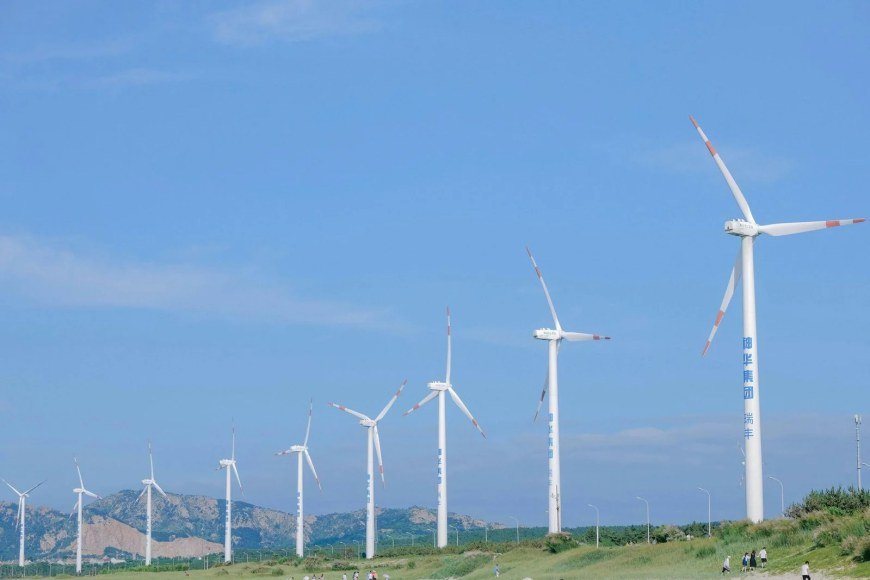
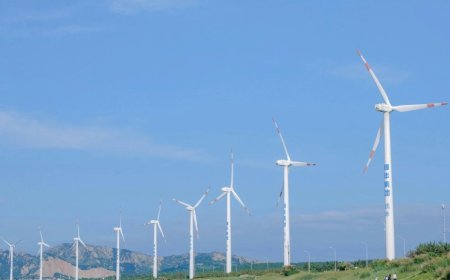
China is treating wind like a strategic commodity and, frankly, the wind is cooperating. Hilltops, deserts and coastlines are sprouting turbines like a green-minded version of urban sprawl. Last year China installed three times more wind capacity than the rest of the world combined, and every one of the six biggest turbine makers on Earth now wears a Chinese name tag.
The timing is deliciously awkward for the oil-focused crowd. With the Iran war threatening supplies and the Strait of Hormuz effectively shuttered for weeks, Beijing’s long bet on wind and solar suddenly looks less like idealism and more like prudent contingency planning. China’s deep currency reserves and a modern grid mean it can weather higher fossil-fuel prices without turning life into a power-point of panic.
Meanwhile, across the Pacific, policy choices are making wind feel… optional. The U.S. government moved to reimburse almost $2 billion to energy companies that walked away from offshore wind, and military review delays have stalled more than 150 projects. The result: one country treating wind like an urgent national project, another treating it like a bureaucratic hobby.
Wind, unlike rooftop solar, is the long game. It needs concrete foundations, the right weather window for big lifts, and patience. “Wind projects can have a really long development time horizon compared to solar,” observes a longtime industry consultant. China has the long leash: three-year build cycles aren’t a bug, they’re a feature.
Offshore is the new frontier. Projects are migrating seaward because coastal winds are steadier and closer to the factories that drink the power. China Huaneng just finished turbines 45 miles off Yantai in 180-foot-deep water, the country’s deepest offshore field yet. President Xi has called for an “orderly and well-regulated expansion of offshore wind,” which is a polite way of saying “build faster, file the paperwork later.”
The industrial choreography behind this boom is textbook statecraft. A 2005 directive forced wind farms to buy mostly domestic parts, foreign firms built local factories, and Chinese suppliers learned the designs. By 2009, foreign makers were still in China, but increasingly shipping goods out rather than keeping market share at home. Subsidies, local-government perks and cheap financing nudged domestic champions into global scale. Exports to the EU jumped 66 percent last year, shipments along the Belt and Road rose 74 percent, and companies like Envision are muscling into markets such as India.
Not everyone is thrilled. Residents near some projects complain about the noise, and Britain has blocked a Chinese manufacturer from building offshore turbines over security concerns. The European Union is probing alleged subsidies to the world’s largest turbine maker, which could lead to tariffs and a diplomatic nose-thumbing. Still, wind now supplies about 10 percent of China’s electricity and is climbing roughly a percentage point a year, coal remains over half the mix but is slowly shrinking.
China’s gamble is simple: if oil and gas can be cut off, a country that makes the machines that turn wind into reliable electricity has leverage. The upshot for the rest of the world is practical and slightly mortifying, when geopolitical weather turns foul, it helps to be the one selling the umbrellas. And in this case, China is selling the whole umbrella factory.
What's Your Reaction?
 Like
0
Like
0
 Dislike
0
Dislike
0
 Love
0
Love
0
 Funny
0
Funny
0
 Angry
0
Angry
0
 Sad
0
Sad
0
 Wow
0
Wow
0