





Cameras, a Tripwire Box and a Million-Year Floor: D.C.'s Latest Mix of Gunfire and Pageantry
Edited security footage, contradictory accounts and preliminary ballistics have left questions about whether the accused gunman at the White House Correspondents’ Dinner fired his weapon. Secret Service says he tripped over a metal-detector box; prosecutors say preliminary evidence shows he fired. F
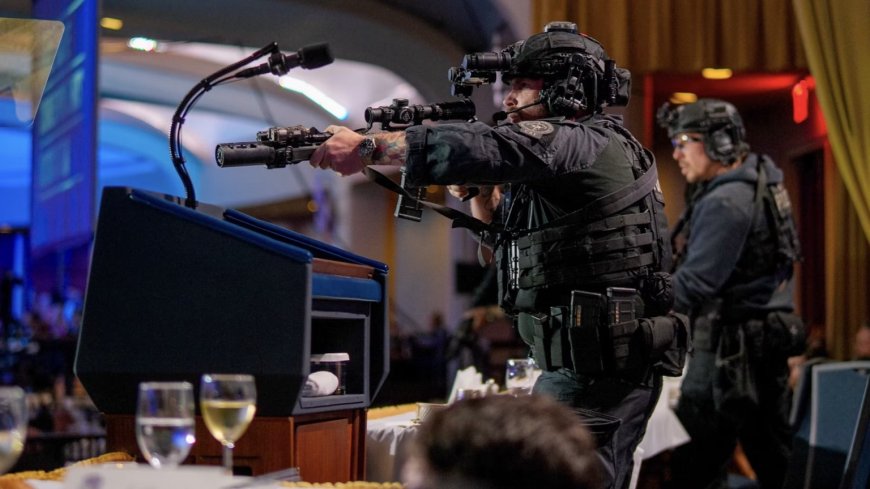
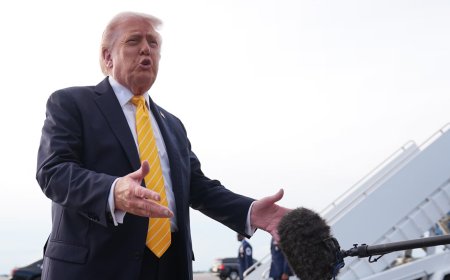
A man accused of trying to storm the White House Correspondents’ Dinner to kill Donald Trump has set off a chaotic, contradictory and oddly theatrical chain of events, complete with edited security footage, a debate over who actually fired a shot, and at least one very inconvenient box.
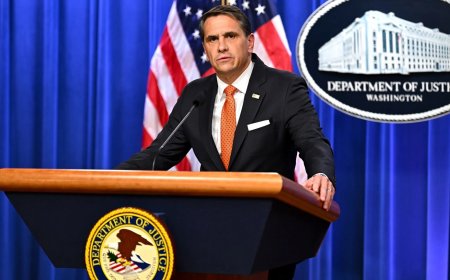
Today, we are releasing video already provided to U.S. District Court showing Cole Allen shoot a U.S. Secret Service officer during his attempt to assassinate the President at the White House Correspondents’ Dinner.
There is no evidence the shooting was the result of friendly… pic.twitter.com/a8gRXkW6BH , US Attorney Pirro (@USAttyPirro) April 30, 2026
Jeanine Pirro posted a slowed, annotated security-camera clip showing Cole Allen stalking the hotel, then rushing a checkpoint on the Terrace Level of the Washington Hilton. The video, entered into federal court as evidence, shows four muzzle flashes from a Secret Service agent as shots were fired, but it doesn’t have audio and does not make clear whether Allen himself fired back.
Secret Service director Sean Curran added another wrinkle: he said Allen was ultimately stopped not by bullets but by tripping over a portable box used to ferry metal detectors. Curran also said Allen was not struck by any of the five rounds an agent fired. It’s a vivid image, a man allegedly trying to kill the president foiled, for lack of a better term, by logistics.
That account has met pushback. Public defenders pressed prosecutors for ballistic details and any evidence that Allen did not fire at the agent identified as V.G. A Washington Post analysis of footage similarly flagged that the visible discharge appears to come only from the agent’s weapon, documenting four shots in the security feed.
Prosecutors replied that their investigation is ongoing but that preliminary ballistics work supports the government’s account: the recovered Mossberg 12-gauge had one spent shell in the chamber, a fragment consistent with buckshot was recovered at the scene, and video plus initial analysis indicate a shot in the direction of Officer V.G., who was observed to have been struck in the chest while wearing a ballistic vest. They stressed that full lab analysis of the vest and other ballistics evidence remains incomplete.
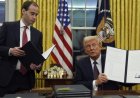
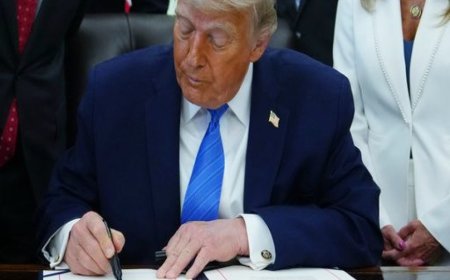
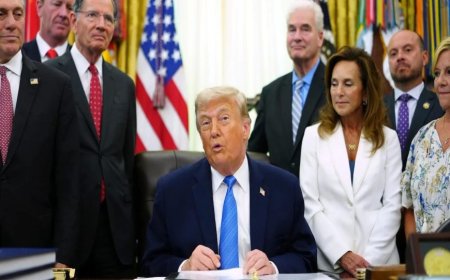
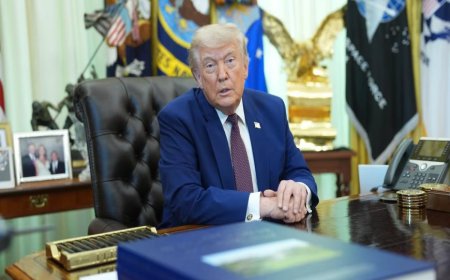
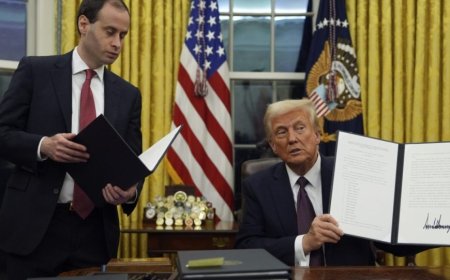
If you needed a reminder that D.C. runs on spectacle as much as procedure, the rest of the day supplied it. Reporters at an Oval Office event were led out to ogle and gush over a new black-granite colonnade floor touted as “million-year” grade, while the president launched into a glorified home-improvement demonstration. Meanwhile, conversations about troop posture in Europe and a short extension of warrantless surveillance powers grumbled along in the background, policy, national security and PR all trying to elbow their way into the same room.
So where does that leave us? With a security video that raises as many questions as it answers, preliminary ballistics that point one way while analyses continue, and the humbling sight of a would-be attacker apparently tripped up by hotel equipment. In Washington, a lot can change between a flash on camera and the final lab report, but the city’s appetite for drama remains steadfast. Closing line: when the stakes are life-and-death, it’s sobering that sometimes the most decisive thing in the room is a cardboard box, but the forensics are still in charge of the verdict.
What's Your Reaction?
 Like
0
Like
0
 Dislike
0
Dislike
0
 Love
0
Love
0
 Funny
0
Funny
0
 Angry
0
Angry
0
 Sad
0
Sad
0
 Wow
0
Wow
0