








































Bulgaria’s New Government Takes On the Country’s Most Stubborn Puppet Master
After mass protests and a landslide victory for Rumen Radev’s coalition, Bulgaria faces a real test: can the new government curb Delyan Peevski’s long-standing influence over media, judiciary and politics, or will old networks persist?
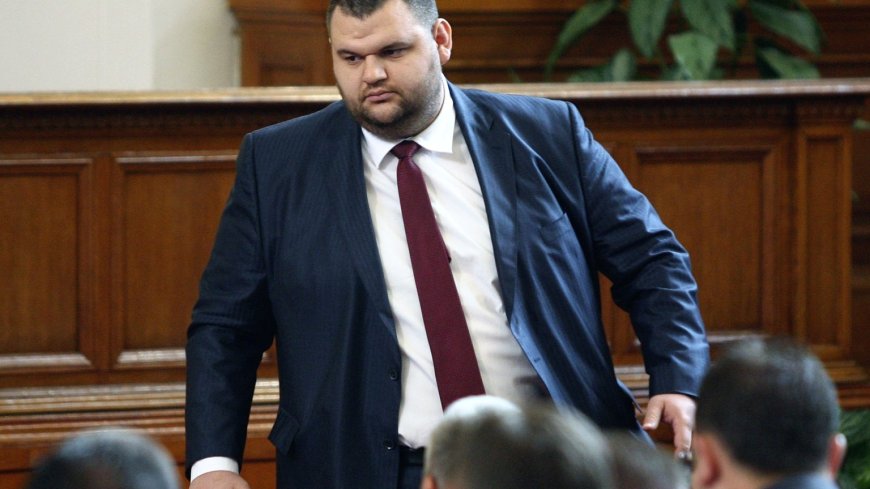
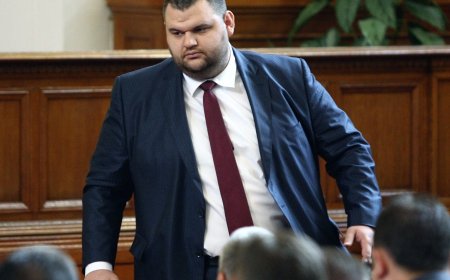
Bulgaria just swapped a lot of political theater for a very awkward backstage inspection. Months of street protests toppled a government and shoved fresh elections into April, with crowds pointing their moral outrage at one man in particular: Delyan Peevski. He leads a tiny party but has long been treated like the country’s invisible stage manager, whispering into media ears, nudging judges, and generally making democracy look like a poorly staged puppet show.
Peevski’s résumé reads like a how-to guide for influence: a former media magnate tied to financial scandals, accused of using frontmen and favors to get allies into powerful posts. For many Bulgarians he has come to symbolize what goes wrong when opaque networks from the transition years fuse with new money and old institutions.
Enter Rumen Radev, a former fighter pilot and one-time president who rounded up a new coalition and rode public anger to a landslide. He campaigned on dismantling the “oligarchy,” explicitly putting Peevski on the target list and rejecting deals with longtime power broker Boyko Borissov. Peevski’s party lost eight seats in the new parliament, though he himself kept his seat, and the legal immunity that comes with it. Within days of the vote, the acting prosecutor general, Borislav Sarafov, widely seen as close to Peevski, resigned. Peevski, unnervingly polite for a man accused of running a shadow empire, congratulated Radev.
Now the country is waiting like an audience after the lights go up: will the new government actually pull the strings out from under the puppet master, or will the old rigging hold? This is the core test of Radev’s stated intention to clean up how Bulgaria is run: sidelining a powerful figure, or even prosecuting him, would be far more than symbolism.
The drama has real-world baggage. Peevski has been blamed for endemic corruption and for helping to keep the judiciary and prosecutorial offices staffed with friendly faces. Protests against him have surfaced repeatedly for more than a decade, including massive demonstrations last December. In 2021 the United States hit Peevski and two associates with sanctions under the Global Magnitsky Act, accusing them of influence-peddling and using frontmen to place people in authority to embezzle funds or extract bribes. Peevski challenged American officials in U.S. court in 2022, and Britain slapped sanctions on him in 2023 for “serious corruption.” He denies the accusations.
Peevski’s rise is a mirror of Bulgaria’s turbulent post-Communist transition. He was nine in 1989 when Communism collapsed, came of age during the chaotic 1990s, went into business at 18 and was a deputy minister by 21. His mother acquired media assets and a lottery fund in the early years, and Peevski took over those media outlets in 2009, the same year he entered parliament for a party that officially represents the Turkish minority, despite not being of Turkish descent. His brief appointment as head of counterintelligence in 2013 sparked street protests and a quick resignation, a rare public rebuke that still didn’t halt his broader influence.
Experts and reformers say the trick has been placing loyalists across prosecution, courts and investigative bodies, giving someone effective veto power over whether investigations ever take off. Reforming those institutions is at the top of the new government’s to-do list. Radev has also said he won’t strike a political bargain with Borissov, who, despite three stints as prime minister since 2009 and repeated denials of wrongdoing, admitted publicly that he and Peevski have a long, pragmatic relationship and that governing sometimes requires compromise.
So here’s the tidy, uncomfortable truth: Bulgaria has voted for a reset, but getting rid of a puppet master takes more than applause. It will require institutional rewiring, legal courage and patience. If successful, the show will finally run without a hidden puppeteer; if not, expect more protests and increasingly firm popcorn-holding from a public that has seen this act one too many times.
What's Your Reaction?
 Like
0
Like
0
 Dislike
0
Dislike
0
 Love
0
Love
0
 Funny
0
Funny
0
 Angry
0
Angry
0
 Sad
0
Sad
0
 Wow
0
Wow
0