


































Beirut strikes cloud a last‑minute US‑Iran peace push as Tehran questions American resolve
Israeli strikes on Beirut and Hezbollah exchanges have complicated a reported US‑Iran memorandum that could reopen the Strait of Hormuz and lift sanctions. Tehran says it has not yet decided to sign, citing doubts about US commitments. Qatari mediators are in Tehran as tensions and domestic oppositi
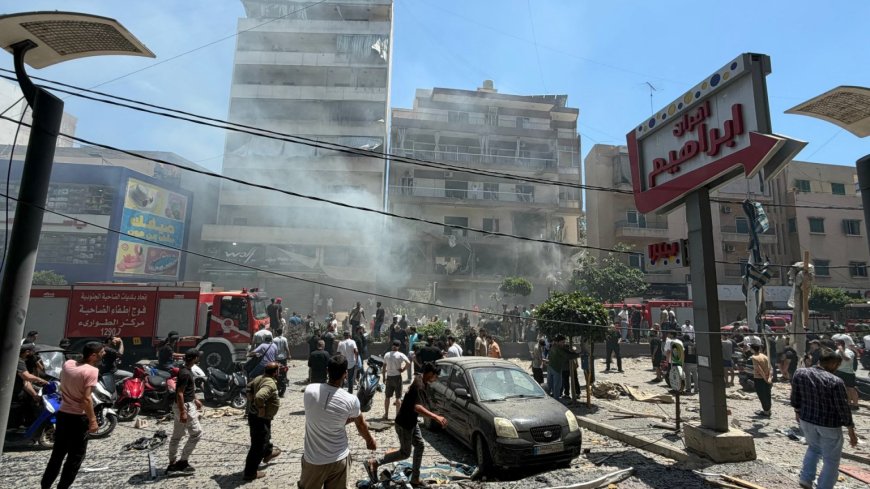
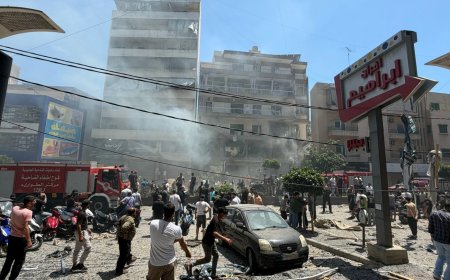
Shortly after explosions were reported over Beirut’s southern suburbs, officials in Tehran warned that a rush to sign a US‑Iran memorandum of understanding would be fragile at best.
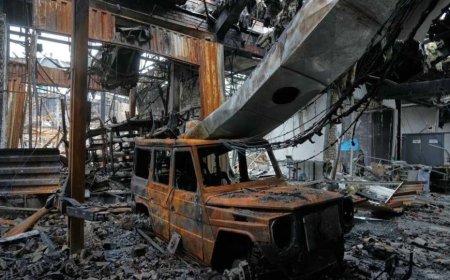
Israeli strikes on the Dahiyeh area of Beirut targeted sites Israel said belonged to Hezbollah. Lebanon’s civil defence reported three people killed and smoke was seen over the southern suburbs. Hezbollah said it launched missiles and drones toward Israeli positions in southern Lebanon, and the Israeli military issued evacuation warnings for 29 villages near the border.
Iranian leaders framed the strikes as proof the United States either lacks the will or the ability to uphold commitments tied to the tentative deal. Mohammad Baqer Qalibaf, a senior Iranian negotiator, posted on X that continuing on the current path would be impossible if promises could not be fulfilled. Senior Iranian military figures warned the attacks would not go unanswered.
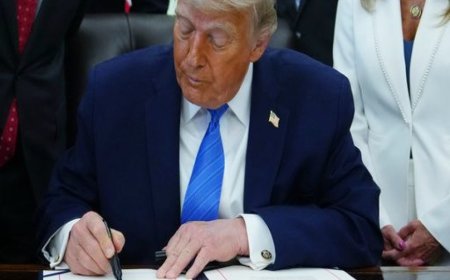
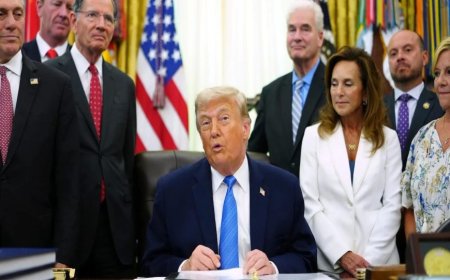
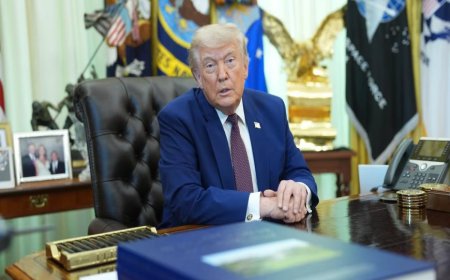
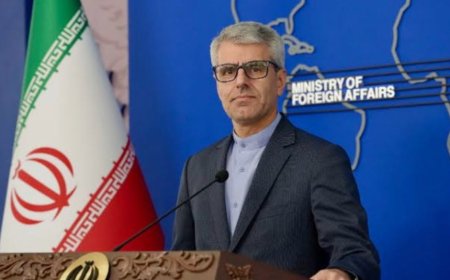
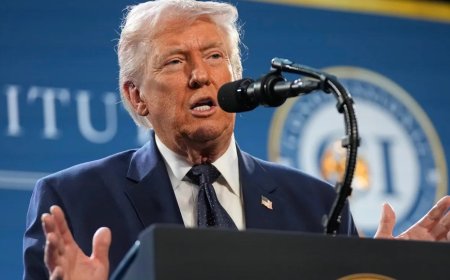
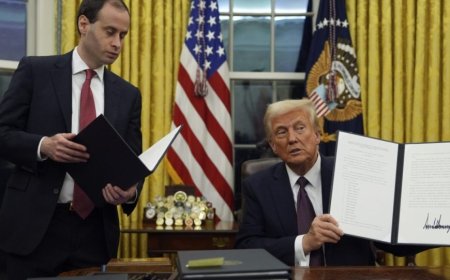
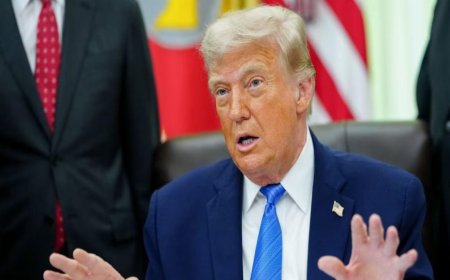
At the same time, US and allied officials continued to push a diplomatic finish. Donald Trump said a signing could happen imminently and that the strait of Hormuz would be reopened to commercial shipping once an agreement was in place. Tehran has not confirmed a signing date and an Iranian foreign ministry spokesperson urged caution, saying a final decision had not yet been taken.
Reports of the draft memorandum outline major tradeoffs: Iran would agree not to produce or acquire nuclear weapons and to dilute highly enriched uranium, while the US would temporarily lift oil sanctions, refrain from new sanctions until a final deal, and release frozen assets. The draft also reportedly calls for Iran to immediately reopen the strait of Hormuz and for the US to lift a naval blockade. Reuters has reported these terms, but details have not been independently verified.
The politics are messy at home as well as abroad. Pro‑government rallies in Iran have continued for more than 100 nights, and hardline figures oppose any deal that they believe would strip Iran of leverage over Hormuz. Qatar has sent mediators to Tehran to try to finalise elements of the agreement, and Pakistan said it was preparing an electronic signing, but Tehran’s internal debate remains unresolved.
If the memorandum is signed it could quickly reshape energy markets and ease commercial passage through the Hormuz chokepoint, while unlocking billions in Iranian revenue. But the strikes over Beirut are a blunt reminder that military escalations on the ground can still derail diplomacy. A deal on paper may be within reach, yet the road to lasting calm looks as rocky as ever.
What's Your Reaction?
 Like
0
Like
0
 Dislike
0
Dislike
0
 Love
0
Love
0
 Funny
0
Funny
0
 Angry
0
Angry
0
 Sad
0
Sad
0
 Wow
0
Wow
0